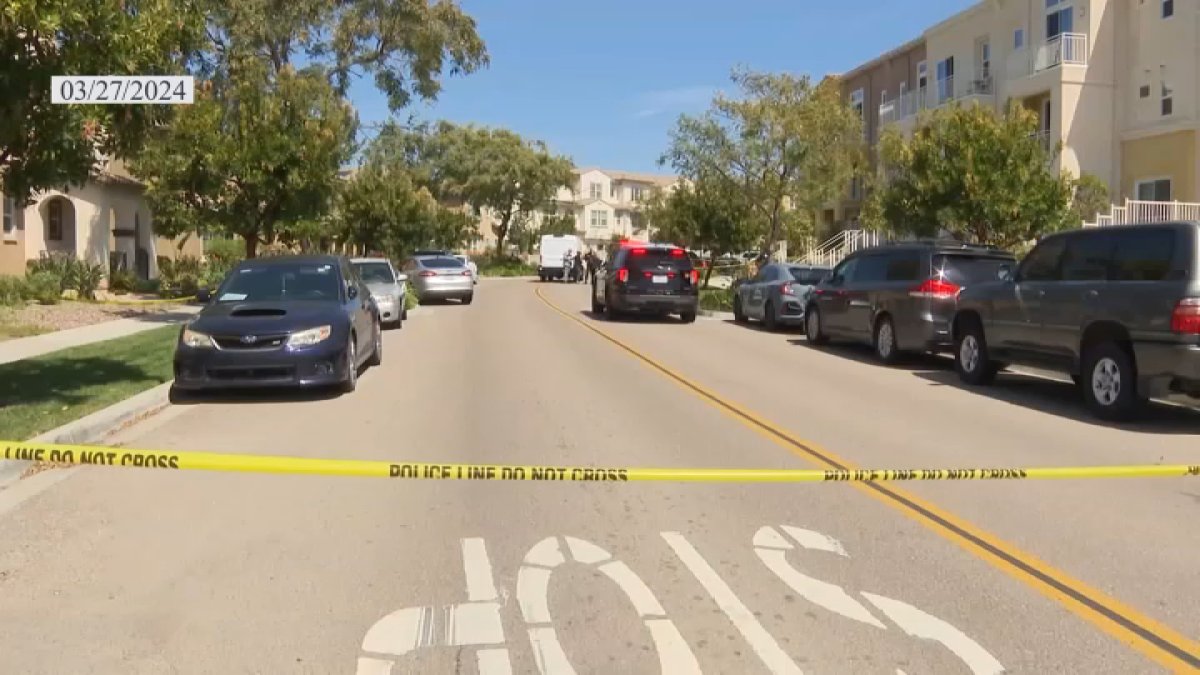
Chula Vista, California – Two teenagers who admitted to acting as hired gunmen for criminal organizations in a pair of shootings that left two men wounded and one accomplice dead are scheduled to learn their fate in federal court this Friday. Andrew Nunez, 16, and Johncarlo Quintero, 17, pleaded guilty to federal charges stemming from attacks in March 2024 outside a Chili’s restaurant and a Chula Vista apartment complex. The case highlights the disturbing trend of cartel recruitment of minors and the complex legal challenges surrounding their prosecution.
The gravity of the situation is underscored by the fact that both Nunez and Quintero were just 15 years aged at the time of the shootings. According to court documents, they were specifically targeted for recruitment due to their age, with the understanding that they would likely face lighter penalties in the juvenile justice system than adult perpetrators. This cynical exploitation of legal loopholes by criminal organizations raises serious questions about accountability and the protection of vulnerable youth. The U.S. Attorney’s Office is seeking a 25-year prison sentence for each teen, a significant penalty despite their age, reflecting the severity of the crimes and the intent to deter future recruitment.
The shootings were reportedly commissioned by a Mexican Mafia-affiliated gang based in Los Angeles County, acting on behalf of the Sinaloa Cartel. Prosecutors allege the attacks were motivated by a cartel war in Tijuana, stemming from a stolen drug shipment and retaliatory actions. The intended victim had apparently been targeted previously in Tijuana, prompting the cartel to extend its reach into California to complete the hit. This demonstrates the far-reaching influence and operational capabilities of these organizations, and their willingness to cross borders to settle disputes. Three additional individuals, alleged associates of the Sinaloa Cartel involved in coordinating the attempted murders, have also been arrested and are awaiting prosecution in San Diego.
Details of the Attacks and the Fatal Shooting of Ricardo Sanchez
The initial attack occurred in the parking lot of a Chili’s restaurant in Chula Vista, where the intended victim was dining with his family. According to prosecutors, Quintero fired a single shot, striking the victim in the legs. The attempt was hampered when Quintero’s firearm jammed, and the pair fled, even attempting to strike the victim with their vehicle as they escaped. Later that evening, Nunez, Quintero, and their accomplice, Ricardo Sanchez, 28, arrived at the victim’s home to continue the attack.
The victim, having sought medical attention for his injuries sustained at the restaurant, was not present at the residence. However, his family and a friend were. When the friend opened the door, Quintero and Nunez opened fire, wounding him in the hand, arm, and face. In self-defense, the victim’s friend returned fire, fatally shooting Ricardo Sanchez. Under the “provocative act murder” doctrine, Nunez and Quintero have been held accountable for Sanchez’s death, as their actions directly led to the confrontation and the resulting fatality. This legal principle holds individuals responsible for the foreseeable consequences of their criminal actions, even if those consequences were not directly intended.
Recruitment Tactics and the Exploitation of Youth
The case has brought renewed attention to the disturbing practice of cartel recruitment of minors. Law enforcement officials have expressed concern that criminal organizations are increasingly targeting young individuals, exploiting their vulnerability and lack of experience. The promise of financial gain or a sense of belonging can be powerful lures for at-risk youth, making them susceptible to manipulation, and coercion. The fact that Nunez and Quintero were specifically sought out due to the fact that of their age underscores the calculated nature of this recruitment strategy.
Federal authorities have been working to disrupt these recruitment networks and provide support to communities affected by cartel violence. However, addressing the root causes of youth involvement in criminal activity requires a multifaceted approach, including improved educational opportunities, economic development, and targeted intervention programs. The case also raises complex questions about the appropriate level of punishment for juvenile offenders involved in serious crimes, balancing the demand for accountability with the potential for rehabilitation.
Legal Proceedings and Potential Sentencing
Andrew Nunez and Johncarlo Quintero pleaded guilty to federal charges including attempted murder and, related to the death of Ricardo Sanchez, murder. The sentencing hearing, scheduled for Friday, will be held before U.S. District Judge Janis Sammartino. Federal prosecutors are requesting a 25-year prison sentence for each defendant, arguing that the severity of the crimes and the need to deter future recruitment warrant a substantial penalty. Defense attorneys are expected to argue for a more lenient sentence, citing the defendants’ age and the circumstances surrounding their involvement in the shootings.
The three alleged Sinaloa Cartel associates accused of coordinating the attacks are also expected to appear in court on Friday. Their cases are proceeding separately, but the hearings are scheduled to take place in the same courtroom. The outcome of these cases could have significant implications for the ongoing efforts to combat cartel activity in the San Diego-Tijuana region. The U.S. Attorney’s Office for the Southern District of California has been actively prosecuting cases involving cross-border criminal activity, working in collaboration with Mexican law enforcement agencies to dismantle cartel networks and bring perpetrators to justice. The U.S. Attorney’s Office for the Southern District of California provides updates on ongoing cases and initiatives.
The Provocative Act Murder Doctrine Explained
The “provocative act murder” doctrine, also known as the felony murder rule in some jurisdictions, is a legal principle that holds individuals accountable for deaths that occur during the commission of certain felonies, even if they did not directly cause the death. In this case, Nunez and Quintero were held responsible for the death of Ricardo Sanchez because their initial act of attempted murder created the dangerous situation that led to the fatal shooting. The doctrine is based on the idea that individuals who engage in inherently dangerous criminal activity should bear responsibility for the foreseeable consequences of their actions. Cornell Law School’s Legal Information Institute provides a detailed explanation of the felony murder rule and its variations.
The sentencing of Nunez and Quintero will likely be a closely watched case, raising important questions about juvenile justice, cartel violence, and the challenges of prosecuting young offenders involved in serious crimes. The outcome will not only determine the fate of these two individuals but could also shape future law enforcement strategies and legal interpretations in similar cases.
The next step in the legal process will be the sentencing hearing on Friday, where Judge Sammartino will consider arguments from both sides before imposing a sentence. Following the sentencing, any appeals filed by the defense will be considered by higher courts. The cases against the three alleged cartel associates are also expected to proceed through the legal system in the coming months.
What are your thoughts on this case? Share your comments below and let us know what you suppose.
Keep reading
- How Stansted Airport Replaced America in Spider-Man: Far From Home
- The Beatles’ Revolver at 60: Why This Masterpiece Remains a Turning Point in Rock History
- Susan Magara Murder: Two Sentenced to Death, Seven Get Life (archyworldys.com)
- Thailand Debates Return of Death Penalty and Justice Reform (newsdirectory3.com)