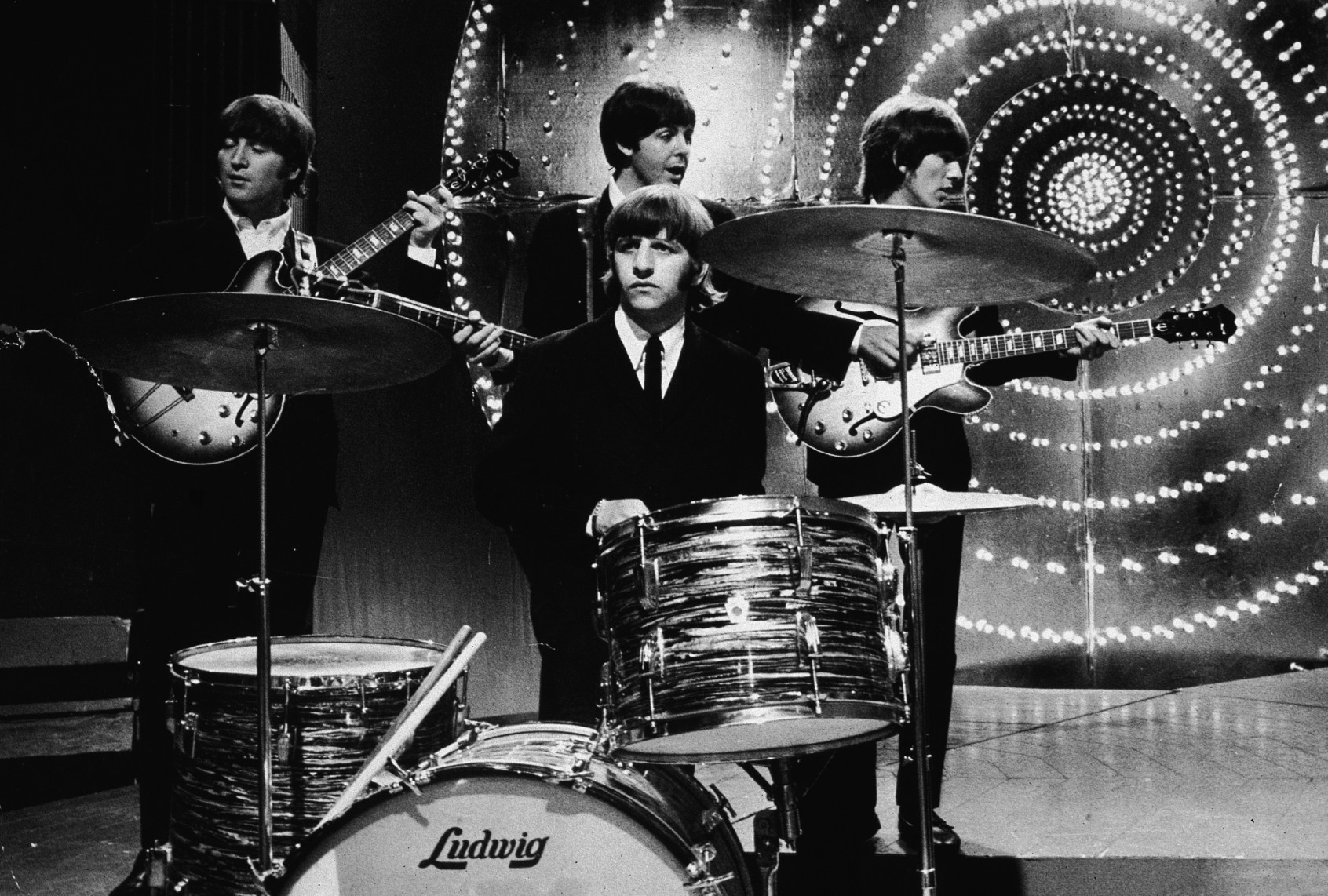
As The Beatles’ landmark album “Revolver” approaches its sixtieth anniversary, music historians and fans are continuing to reexamine the 1966 release as a defining moment in popular music. Released on August 5, 1966, in the United Kingdom, the fourteen-track LP showcased a dramatic expansion of the band’s songwriting and studio experimentation, bridging traditional pop structures with avant-garde sonic textures.
While the record was initially viewed by some American critics as an introduction to 1967’s “Sgt. Pepper’s Lonely Hearts Club Band,” subsequent decades have established “Revolver” as a standalone masterpiece. According to historical retrospectives, the album followed “Rubber Soul,” an LP that Brian Wilson famously praised for lacking filler and setting a new standard for cohesive album-making.
Reflecting on the artistic trajectory of the group, band member George Harrison later described “Rubber Soul” and “Revolver” as parts one and two of the same album. On “Revolver,” Harrison contributed three original compositions: “Taxman,” “Love You To,” and “I Want to Tell You.” Alongside contributions from John Lennon and Paul McCartney—including masterworks such as “Eleanor Rigby” and “Tomorrow Never Knows,” plus the single release featuring “Paperback Writer” and “Rain”—the band and producer George Martin delivered a massive bounty of new music in August 1966.
Demographic Expansion and Chart Impact
Beyond its musical innovation, “Revolver” functioned as a critical turning point in how popular music reached diverse age brackets. In their early years, The Beatles primarily drew crowds of teenagers and young adults. That demographic shift began with the release of “Yesterday,” which featured a string quartet adorned by George Martin and resonated strongly with working adults aged 25 to 54.
The release of “Revolver” further widened the band’s cultural footprint. Tracks like “Eleanor Rigby” drew older listeners in large numbers, while the narrative scope and nautical sound design of “Yellow Submarine” captured the attention of children and pre-teens. Within roughly two years of their televised American debut on “The Ed Sullivan Show,” the group effectively commanded nearly every demographic quadrant of the consumer market.
Legacy and Upcoming Anniversary Events
“Revolver” served as a launching pad for the group’s subsequent experimental releases, which included “Sgt. Pepper’s Lonely Hearts Club Band,” “Magical Mystery Tour,” “The White Album,” the sessions culminating in “Let It Be,” and “Abbey Road.” Though the group disbanded shortly after these sessions, their catalog continues to attract academic and public study.
Cultural celebrations marking the milestone anniversary are already taking shape. The “Everything Fab Four” Fest is scheduled to take place from November 5 to 8 at Monmouth University in New Jersey, organized in conjunction with the Bruce Springsteen Center for American Music. The multi-day event will feature panels, performances, and discussions centered on the enduring legacy of the 1966 album.
Readers seeking further details on upcoming commemorative exhibitions and ticket availability can monitor official university announcements and cultural programming updates through the Bruce Springsteen Center for American Music.
Keep reading