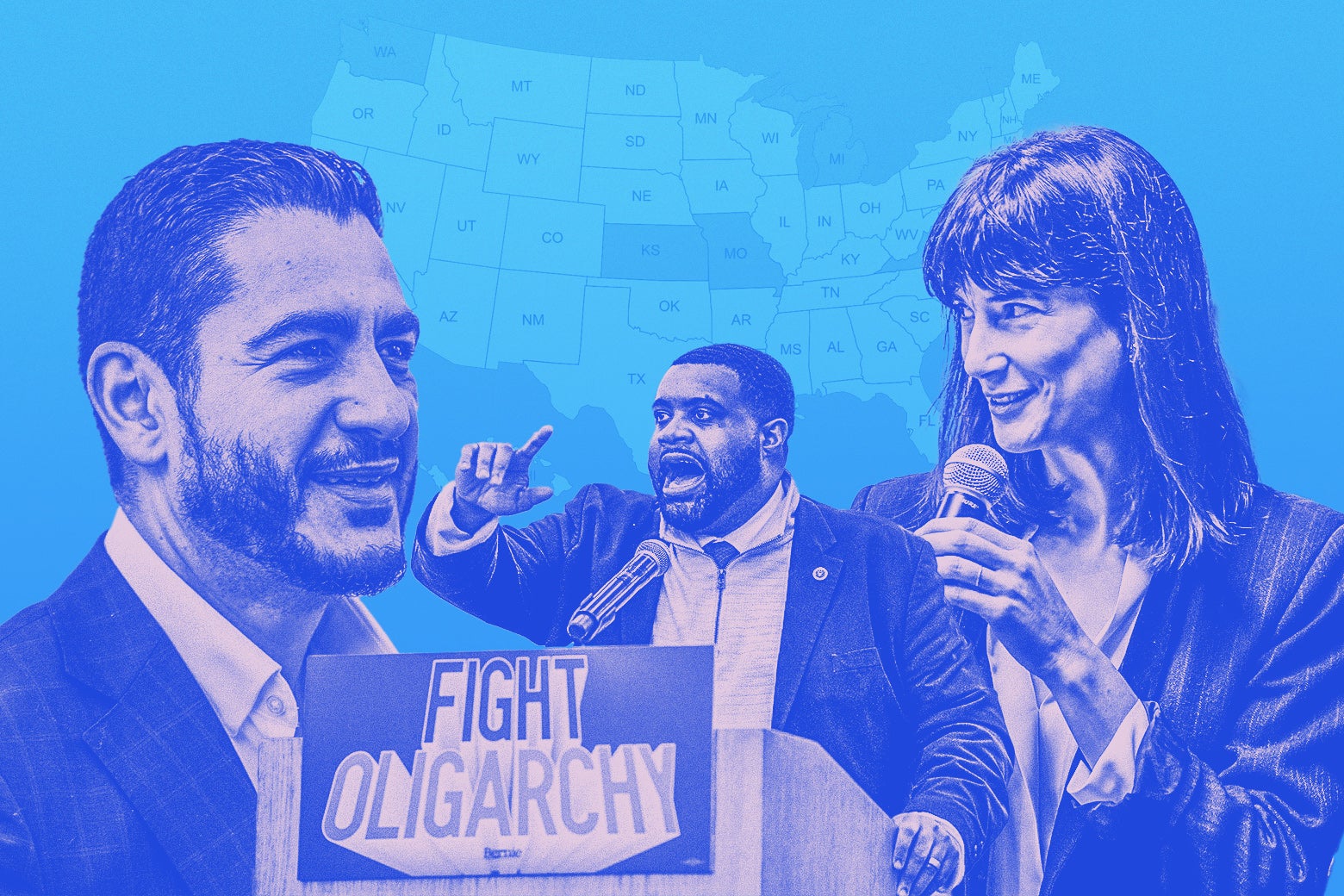
Tuesday night election results across the United States revealed a complex ideological tug-of-war as centrist and progressive factions clashed in key municipal and legislative contests. According to recent reports from the Associated Press, voters in multiple jurisdictions weighed competing visions for local governance, criminal justice reform, and economic policy. These closely watched outcomes highlight shifting voter dynamics within both major political parties, setting the stage for future intra-party battles as candidates prepare for subsequent legislative cycles.
The friction between moderate and progressive candidates manifested differently depending on local demographics and regional party infrastructure. Analysts tracking the races noted that while establishment-backed moderates often leaned heavily on institutional support and messaging focused on economic stability, progressive contenders energized base voters by championing tenant rights, climate initiatives, and comprehensive police accountability measures. This friction underscored the broader strategic debate within modern political coalitions over which platform holds broader general-election viability.
Jonathan Reed, reporting from London for World Today Journal, notes that municipal outcomes frequently serve as bellwethers for national policy shifts. Local election boards have continued certifying ballots throughout the week, with final certified tallies expected to clarify the precise margins of victory in several razor-thin races. Campaign committees and political action groups are already parsing precinct-level data to refine their strategies ahead of upcoming primary deadlines.
Electoral Dynamics and Regional Battlegrounds
In various urban centers, the clash between centrist and progressive platforms played out through intense fundraising and grassroots mobilization. According to data compiled by Reuters, outside spending reached significant totals in several high-profile mayoral and city council races, reflecting nationalized interest in local governance. Moderate candidates frequently emphasized fiscal prudence and public safety reforms, while progressive challengers mobilized volunteers around affordable housing guarantees and progressive taxation models.
Political scientists observing the contests point out that voter turnout rates varied widely across neighborhoods, directly influencing the success of competing factions. Areas with higher engagement among younger and working-class demographics frequently favored progressive agendas, whereas suburban-leaning districts and established business corridors tilted toward centrist leadership. These geographic divides demonstrate that neither faction has achieved a permanent monopoly on urban or suburban electorates.
Policy Implications and Stakeholder Reactions
The legislative fallout from Tuesday’s contests will directly affect local ordinances, housing policies, and municipal budgets in the coming fiscal year. City councils newly configured by these results face immediate decisions regarding public utility management, zoning law revisions, and law enforcement oversight boards. Business associations, labor unions, and community advocacy groups are actively positioning themselves to lobby incoming legislators on these vital priorities.
According to updates published by BBC News, civic leaders have emphasized the need for cross-fuctional compromise once the new terms begin, noting that divided legislative bodies must still pass functioning municipal budgets and infrastructure funding bills. Officials in participating electoral districts urge residents to consult local government portals for official certification schedules and public hearing dates as the transition process gets underway.
Next Steps and Official Certification Timelines
Local election offices will continue finalizing provisional ballots and conducting mandatory audits over the next fourteen days. State election divisions have established a strict legal deadline for the formal certification of all municipal contest outcomes, after which winning candidates will take the oath of office and set legislative calendars for the upcoming session.
Voters seeking official updates, precinct data, or schedules for upcoming legislative hearings can visit municipal government websites and state election board portals. Share your perspective on Tuesday’s outcomes and join the conversation in the comments below.