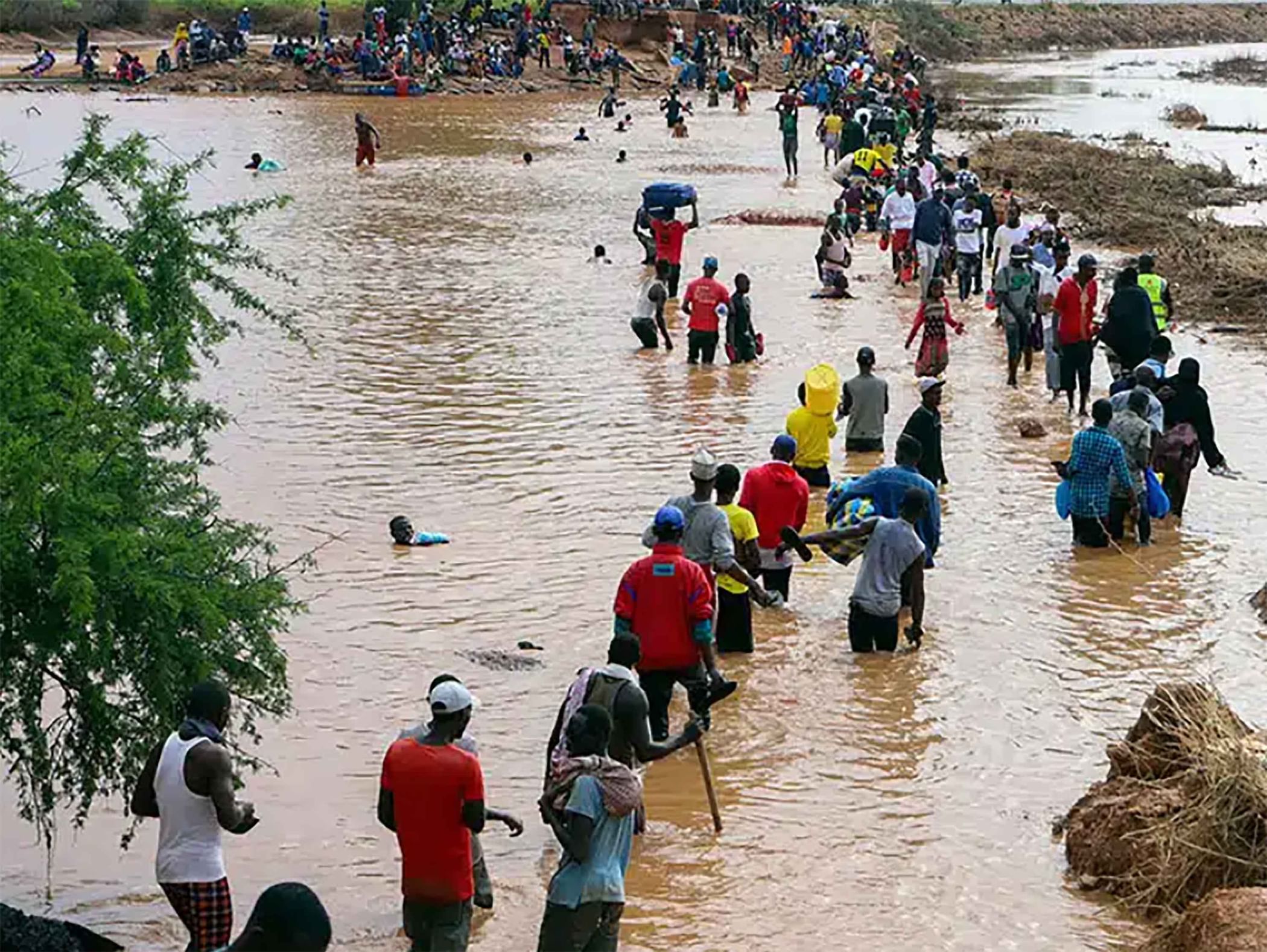
Gamo Zone, Ethiopia – A devastating combination of torrential rains, flooding and landslides has plunged southern Ethiopia into crisis, claiming the lives of at least 102 people and leaving dozens missing. The disaster, concentrated in the Gamo Zone, has also displaced thousands, prompting a national period of mourning and an international aid response.
The official death toll has risen sharply in recent days, initially reported at over 30 before climbing to 64 on Thursday and now exceeding 102, according to local authorities. Most of the casualties occurred in the highland areas of the Gamo Zone, where saturated slopes gave way under the relentless rainfall. The scale of the devastation underscores the increasing vulnerability of communities across East Africa to extreme weather events, a trend scientists attribute, in part, to climate change.
Ethiopia’s House of Nations has declared three days of national mourning, beginning on March 14, 2026, in remembrance of the victims. The declaration reflects the gravity of the situation and the nation’s collective grief. The South Ethiopia Regional state governor, Tilahun Kebede, previously expressed his condolences for the initial 30 reported deaths, stating, “On behalf of myself and the regional government, I express my deep sorrow over the loss of 30 lives due to landslides and floods in the highlands of Gamo Zone caused by heavy rains.”
Widespread Damage and Ongoing Rescue Efforts
The disaster unfolded after days of sustained rainfall across the region, particularly impacting the town of Arba Minch and surrounding areas. The continuous downpours caused widespread damage to homes, infrastructure, and crucial farmland, threatening food security, and livelihoods. Mudslides have blocked key roads and several bridges have been flooded, hindering rescue operations and the delivery of essential aid. Authorities are urging residents in vulnerable areas to remain vigilant and heed safety warnings.
Emergency teams are actively monitoring the situation and working to reach those affected, but access remains a significant challenge due to the damaged infrastructure. The ongoing rainfall and the possibility of further landslides continue to complicate rescue efforts. The Ethiopian government is coordinating with regional authorities and international partners to provide assistance to those displaced and affected by the disaster.
International Response and Health Concerns
The World Health Organization (WHO) is responding to the crisis, having dispatched rapid response teams to the affected areas to support local health authorities. WHO Director-General Tedros Adhanom Ghebreyesus confirmed the deployment, highlighting the urgent need for medical assistance and public health interventions. The teams will focus on preventing the spread of waterborne diseases and providing essential healthcare services to those impacted by the floods and landslides.
The flooding and landslides have not only resulted in immediate loss of life and displacement but also pose a significant threat to public health. Contaminated water sources and damaged sanitation systems increase the risk of outbreaks of diseases such as cholera and typhoid. The WHO and other health organizations are working to address these concerns by providing clean water, sanitation facilities, and medical supplies.
Regional Context: East Africa’s Increasing Vulnerability
The disaster in Ethiopia is part of a broader pattern of extreme weather events impacting East Africa. Neighboring Kenya has also experienced deadly floods in recent days, highlighting the region’s increasing vulnerability to climate change. Forecasters warn that storms are becoming more intense in the region, exacerbating the risks associated with heavy rainfall and flooding. Over the past two decades, numerous studies have documented a rise in both extreme wet spells and prolonged dry periods across East Africa, indicating a changing climate pattern.
The increasing frequency and intensity of these extreme weather events underscore the urgent need for climate adaptation measures and disaster preparedness strategies. Investing in early warning systems, improving infrastructure resilience, and promoting sustainable land management practices are crucial steps to mitigate the impacts of climate change and protect vulnerable communities. The Ethiopian government, with the support of international partners, is working to strengthen its disaster preparedness capacity and build resilience to future climate shocks.
The situation remains fluid, and the full extent of the damage is still being assessed. Continued rainfall is forecast for the region, raising concerns about further flooding and landslides. The Ethiopian government is appealing for international assistance to support rescue and relief efforts and to help rebuild the lives of those affected by this devastating disaster.
As of March 14, 2026, the focus remains on search and rescue operations, providing emergency assistance to those displaced, and preventing the spread of disease. The long-term recovery process will require significant investment and sustained support from both domestic and international sources.
Key Takeaways:
- At least 102 people have died in floods and landslides in Ethiopia’s Gamo Zone.
- Ethiopia has declared three days of national mourning.
- The WHO has deployed rapid response teams to support local health authorities.
- East Africa is experiencing an increase in extreme weather events linked to climate change.
For the latest updates on the situation in Ethiopia, please refer to the official websites of the Ethiopian government and the World Health Organization. Further information can also be found through reputable international news organizations. We encourage readers to share this information and support organizations providing aid to those affected by this tragedy.
Related reading