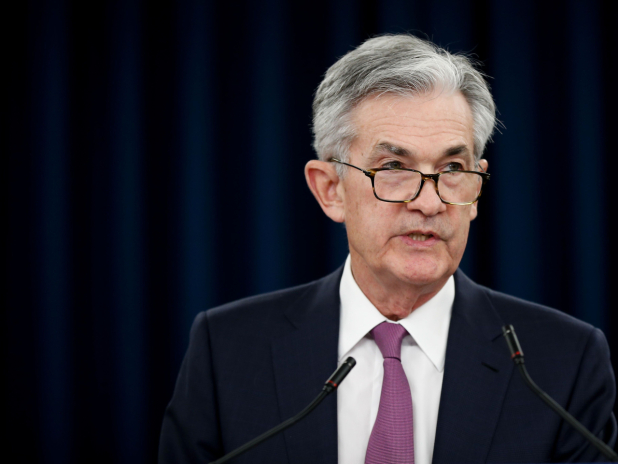
Washington D.C. – A federal judge has blocked subpoenas issued to Federal Reserve Chair Jerome Powell and other officials, a move the Department of Justice (DOJ) is appealing. The legal battle centers around a request for documents related to the Fed’s oversight of Silicon Valley Bank (SVB) prior to its collapse in March 2023. The subpoenas were issued by the House Financial Services Committee, led by Representative Patrick McHenry, as part of an investigation into the circumstances surrounding SVB’s failure and the broader banking sector response.
The dispute highlights increasing scrutiny of the Federal Reserve’s regulatory role and its handling of the crisis. Lawmakers are seeking to understand whether the Fed adequately identified and addressed the risks building within SVB, and whether earlier intervention could have prevented the bank’s dramatic downfall. The collapse of SVB, followed swiftly by Signature Bank, triggered significant turmoil in the financial markets and prompted government intervention to shore up confidence in the banking system. The situation raised concerns about the potential for contagion and the stability of regional banks.
The DOJ’s decision to appeal the judge’s ruling signals its determination to protect the confidentiality of internal deliberations within the Federal Reserve. The government argues that releasing the requested documents could compromise the Fed’s ability to effectively supervise and regulate financial institutions in the future. This stance underscores the delicate balance between congressional oversight and the need to maintain the independence and operational effectiveness of the central bank. The core of the argument revolves around the principle of separation of powers and the potential for undue interference in the Fed’s regulatory functions.
The Subpoena and the Fed’s Response
The House Financial Services Committee issued the subpoenas in November 2023, seeking testimony from Powell and other Fed officials, as well as a wide range of documents related to SVB’s supervision. The committee’s investigation aims to determine whether the Fed’s regulatory framework was sufficient to prevent the bank’s failure and whether any systemic weaknesses contributed to the crisis. Representative McHenry has emphasized the importance of a thorough and transparent investigation to restore public trust in the banking system and prevent similar incidents from occurring in the future.
The Federal Reserve, yet, resisted the subpoenas, arguing that they were overly broad and would require the disclosure of sensitive information that could harm its supervisory functions. The Fed turned to a special prosecutor appointed by Attorney General Merrick Garland to assist in its legal defense, according to Reuters. This move underscores the seriousness with which the Fed is approaching the legal challenge and its commitment to protecting its institutional prerogatives. The involvement of a special prosecutor suggests the DOJ views the case as having significant implications for the balance of power between the legislative and executive branches.
Judge Analisa Torres initially blocked the subpoenas, citing concerns about the potential burden on the Fed and the need to protect its independence. The judge’s decision was based on a review of the arguments presented by both sides and a consideration of the constitutional principles at stake. The DOJ subsequently announced its intention to appeal the ruling, setting the stage for a further legal showdown. The appeal will likely be heard by the U.S. Court of Appeals for the District of Columbia Circuit.
Implications for the Federal Reserve and Congressional Oversight
The legal battle over the subpoenas has broader implications for the relationship between the Federal Reserve, and Congress. The incident raises fundamental questions about the scope of congressional oversight authority and the limits of executive privilege in the context of financial regulation. Some legal experts argue that Congress has a legitimate need to investigate the circumstances surrounding SVB’s failure to ensure accountability and prevent future crises. Others contend that overly aggressive congressional inquiries could undermine the Fed’s independence and its ability to make sound monetary policy decisions.
The outcome of the appeal could set a precedent for future disputes between Congress and the Federal Reserve over access to information. If the DOJ prevails, it could strengthen the Fed’s ability to resist congressional subpoenas and protect its internal deliberations. Conversely, if the House Financial Services Committee succeeds, it could embolden Congress to pursue more aggressive oversight of the Fed and other regulatory agencies. The case is being closely watched by financial institutions and legal scholars alike, as it has the potential to reshape the landscape of financial regulation and congressional oversight.
Jerome Powell, as Chairman of the Federal Reserve, has been at the center of the response to the banking crisis. His testimony before Congress has been closely scrutinized, and his views on the causes of SVB’s failure and the appropriate regulatory response are highly sought after. USA Today reported on Powell’s statements regarding the DOJ’s investigation, highlighting his commitment to cooperating with legitimate inquiries while also protecting the Fed’s independence.
The Broader Context of Banking Regulation
The SVB collapse has reignited the debate over the appropriate level of regulation for the banking industry. Some argue that deregulation in recent years contributed to the build-up of risks within SVB and other regional banks. Others maintain that the existing regulatory framework was adequate but not effectively enforced. The incident has prompted calls for a review of the regulatory regime and potential reforms to strengthen the supervision of financial institutions.
Specifically, there is discussion around the need to revisit the tailoring of regulations enacted in 2018, which eased some requirements for mid-sized banks like SVB. Critics argue that these changes allowed SVB to take on excessive risk without adequate oversight. The debate also extends to the role of deposit insurance and the potential for moral hazard, where banks may be encouraged to take on more risk knowing that their depositors are protected by government guarantees. The Federal Deposit Insurance Corporation (FDIC) is currently reviewing its deposit insurance policies in light of the SVB crisis.
The situation also underscores the challenges of regulating rapidly evolving financial technologies and business models. SVB was heavily involved in the venture capital ecosystem and catered to a clientele that was particularly sensitive to interest rate changes and market volatility. The bank’s unique business model and its reliance on uninsured deposits contributed to its vulnerability when interest rates rose and investors began to withdraw their funds.
What Happens Next?
The DOJ’s appeal of the judge’s ruling is expected to be a lengthy process, potentially taking months or even years to resolve. During this time, the House Financial Services Committee will likely continue its investigation into SVB’s failure, gathering information from other sources and potentially issuing additional subpoenas. The committee may also hold hearings to examine the regulatory response to the crisis and consider legislative proposals to strengthen the banking system.
The Federal Reserve will continue to monitor the financial markets and assess the impact of the SVB collapse on the broader economy. The Fed is also likely to review its own supervisory practices and consider adjustments to its regulatory framework to address the vulnerabilities that were exposed by the crisis. The outcome of the legal battle and the subsequent policy responses will have significant implications for the future of banking regulation and the stability of the financial system.
The next key development will be the DOJ’s filing of its appellate brief, outlining its legal arguments for overturning the judge’s decision. This filing is expected in the coming weeks and will provide further insight into the government’s position on the scope of congressional oversight and the protection of executive privilege. The case is being closely watched by stakeholders across the financial industry and will undoubtedly shape the debate over banking regulation for years to come.
What are your thoughts on the balance between congressional oversight and the independence of the Federal Reserve? Share your comments below, and please share this article with your network.
Keep reading