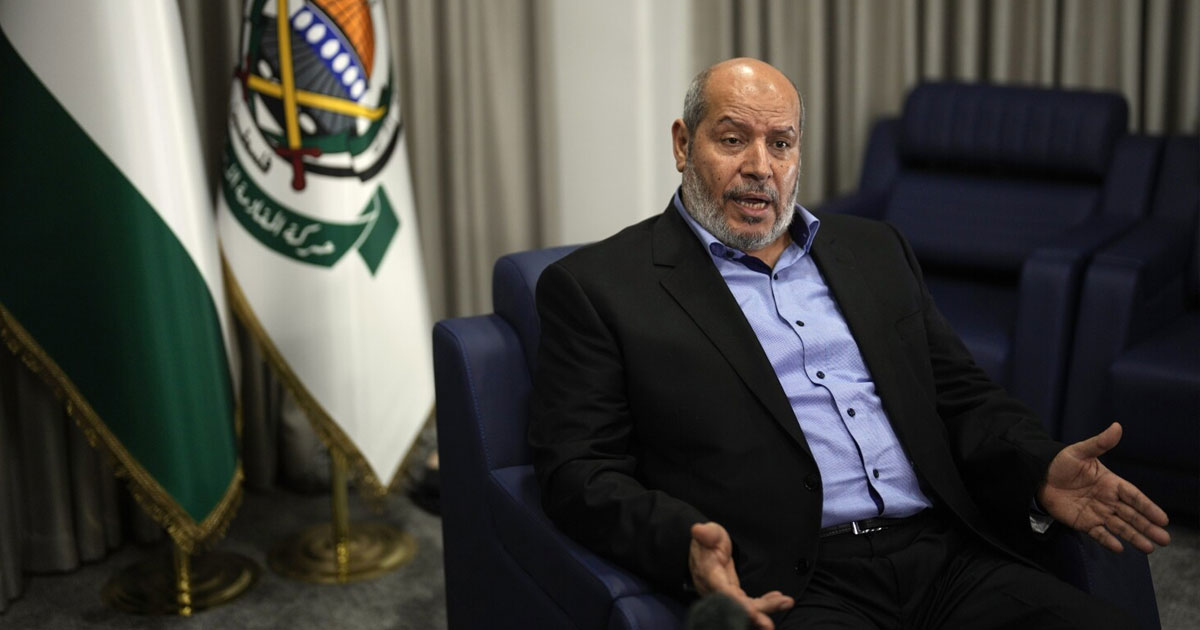
Hamas Calls for Restraint from Tehran Amidst Regional Tensions
The ongoing conflict in the Middle East continues to generate complex diplomatic maneuvering, with the Palestinian Islamist group Hamas appealing to Iran to halt retaliatory strikes against neighboring countries. This call for de-escalation comes against a backdrop of heightened regional instability and increasingly assertive rhetoric from former U.S. President Donald Trump, who has proposed his own plans for securing the region, including a controversial proposal to secure the Strait of Hormuz. The situation is further complicated by ongoing discussions surrounding the potential designation of the Polisario Front as a terrorist organization by the U.S. Senate, and warnings from Trump regarding potential military action against Iran if Hamas does not disarm.
The request from Hamas, reported initially by Moroccan news outlet H24info, underscores the delicate balance the group seeks to maintain as it navigates its relationships with regional powers. While Hamas has historically received support from Iran, the potential for wider conflict stemming from escalating attacks on neighboring states presents a significant risk. The call for restraint suggests a desire to prevent further escalation and potentially open channels for renewed negotiations. This development occurs as international efforts to achieve a ceasefire in Gaza remain ongoing, with the United States playing a central role in mediating between Israel and Hamas. The complexities of the situation are compounded by the differing priorities and strategic interests of the various actors involved, making a lasting resolution increasingly challenging.
Trump’s Intervention and Regional Security Concerns
Former President Trump has re-entered the fray with a series of pronouncements and proposals aimed at addressing the ongoing crisis. According to reports, Trump has ordered Israel to cease bombing Gaza following what he describes as a partial acceptance of his peace plan by Hamas. However, details of this plan remain largely undisclosed, and its reception by both Israel and Hamas has been met with skepticism. Trump has also proposed deploying U.S. Naval forces to secure the Strait of Hormuz, a vital waterway for global oil supplies, citing concerns about Iranian aggression. This proposal, as reported by Fortune, reflects a broader strategy of projecting American military strength to deter further instability in the region.
The Strait of Hormuz is a strategically crucial chokepoint, and any disruption to its flow of traffic could have significant global economic consequences. The U.S. Navy already maintains a substantial presence in the Persian Gulf, and an increased deployment would likely be viewed as a provocative move by Iran. Trump’s rhetoric has also included a direct threat to Iran, warning that if Hamas does not disarm, “there will be hell to pay,” as reported by CBS News. This aggressive stance underscores the potential for a significant escalation of conflict if diplomatic efforts fail. The former president’s intervention adds another layer of complexity to an already volatile situation, raising questions about the future direction of U.S. Policy in the Middle East.
Hamas and Iran: A Complex Relationship
The relationship between Hamas and Iran is multifaceted, characterized by both strategic alignment and occasional tensions. Iran has long been a key supporter of Hamas, providing financial and military assistance. This support has been crucial for Hamas’s ability to operate and maintain its control over the Gaza Strip. However, the two entities do not always observe eye-to-eye on regional issues, and Iran’s own strategic priorities sometimes diverge from those of Hamas. The recent call for Iran to refrain from attacks on neighboring countries suggests a desire by Hamas to avoid being drawn into a wider regional conflict that could jeopardize its position in Gaza.
The specific nature of Iran’s recent strikes that prompted Hamas’s appeal remains unclear. However, the concern likely stems from the potential for retaliatory actions by Israel or other regional actors, which could further destabilize the situation in Gaza. Hamas’s appeal also reflects a broader effort to present itself as a responsible actor in the region, capable of exercising restraint and promoting stability. This messaging is particularly important as Hamas seeks to garner international support and potentially engage in future negotiations with Israel and other stakeholders. The group’s leadership is likely weighing the risks and benefits of maintaining its alliance with Iran against the potential consequences of escalating regional tensions.
Polisario Front and U.S. Policy
Alongside the developments concerning Hamas and Iran, the potential designation of the Polisario Front as a terrorist organization by the U.S. Senate adds another layer of complexity to the regional landscape. The Polisario Front is a Sahrawi liberation movement that seeks independence for Western Sahara, a disputed territory claimed by Morocco. The U.S. Has historically maintained a neutral position on the issue, but recent developments suggest a potential shift in policy. According to H24info, the U.S. Senate is considering a measure that would classify the Polisario Front as a terrorist organization, a move that would likely be welcomed by Morocco but condemned by Algeria, which supports the Polisario Front.
The potential designation of the Polisario Front as a terrorist organization is likely to have significant implications for the region. It could further exacerbate tensions between Morocco and Algeria, two regional rivals with a long history of conflict. It could also complicate efforts to resolve the dispute over Western Sahara, which has been a source of instability for decades. The U.S. Decision is likely to be influenced by a number of factors, including its strategic relationship with Morocco and its broader efforts to combat terrorism in the region. The move also comes as the U.S. Is seeking to strengthen its alliances in North Africa and counter the growing influence of extremist groups.
Looking Ahead: Uncertainties and Potential Scenarios
The situation in the Middle East remains highly fluid and unpredictable. The interplay between Hamas’s appeal to Iran, Trump’s intervention, and the potential designation of the Polisario Front as a terrorist organization creates a complex web of challenges for regional and international actors. The success of ongoing ceasefire negotiations between Israel and Hamas will be crucial in preventing further escalation of the conflict in Gaza. However, even if a ceasefire is achieved, the underlying issues that fuel the conflict – including the Israeli occupation of Palestinian territories and the humanitarian crisis in Gaza – will remain unresolved.
The future trajectory of U.S. Policy in the region is also uncertain. Trump’s proposals, while controversial, reflect a willingness to take a more assertive approach to addressing regional challenges. Whether this approach will be successful remains to be seen. The potential for further escalation remains high, particularly if Iran continues to pursue its regional ambitions and if Hamas fails to disarm. The international community will require to work together to de-escalate tensions, promote dialogue, and address the root causes of conflict in the Middle East. The next key development to watch will be the outcome of the U.S. Senate’s deliberations regarding the Polisario Front, which could significantly alter the regional dynamics.
Key Takeaways:
- Hamas has urged Iran to cease attacks on neighboring countries, seeking to avoid wider regional conflict.
- Former President Trump has proposed a plan for securing the Strait of Hormuz and threatened Iran if Hamas does not disarm.
- The U.S. Senate is considering designating the Polisario Front as a terrorist organization, potentially escalating tensions between Morocco and Algeria.
- The situation in the Middle East remains highly volatile, with ongoing ceasefire negotiations and uncertain U.S. Policy.
The evolving situation demands continued monitoring and analysis. We encourage readers to share their perspectives and engage in constructive dialogue in the comments section below. Please also share this article with your networks to promote informed discussion.
Related reading