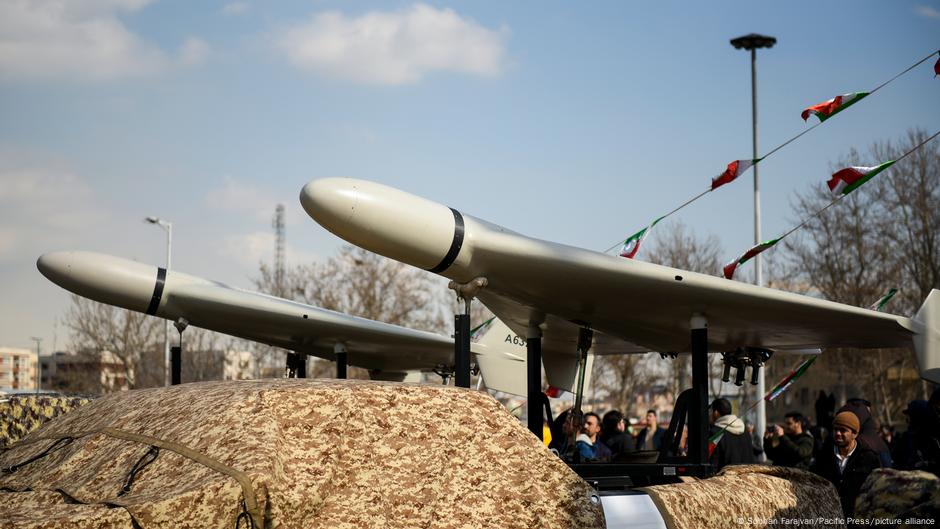
Iran Threatens Strikes on Ukraine Over Alleged Support for Israel
Tehran has issued a stark warning to Ukraine, threatening potential missile strikes if Kyiv continues to provide assistance to Israel. The escalating rhetoric, delivered by a senior Iranian parliamentarian, marks a significant escalation in tensions and raises concerns about the potential for wider regional conflict. This threat comes amidst a complex geopolitical landscape, with Iran already facing scrutiny over its support for Russia in the ongoing war in Ukraine and its own regional proxy conflicts.
The warning, issued on Saturday, March 14, 2026, by Ibrahim Azizi, Chairman of the Iranian Parliament’s National Security and Foreign Policy Commission, alleges that any aid provided by Ukraine to Israel, including the supply of drones, would render Ukrainian territory a “legitimate target” for Iranian missile attacks. Azizi made the statement on the social media platform X, citing Article 51 of the United Nations Charter, which addresses the inherent right of individual or collective self-defense. The claim directly links Ukraine’s potential support for Israel to a justification for military action against Ukrainian soil.
ایران در صورت کمک اوکراین به رژیم صهیونیستی با پهپاد، خاک این کشور را هدف قانونی خود قرار خواهد داد. ارائه پشتیبانی به رژیم صهیونیستی از سوی اوکراین، عملاً این کشور را وارد جنگ کرد و طبق ماده ۵۱ منشور سازمان ملل متحد، تمام خاک اوکراین را به هدف قانونی برای ایران تبدیل کرد.
— ابراهیم عزیزی (@azizi_ebrahim) March 14, 2026
Ukraine has responded to the Iranian threat by highlighting Iran’s own role in supplying Russia with weaponry used in the war against Ukraine. Andriy Kovalenko, Head of the Center for Counteracting Disinformation at Ukraine’s National Security and Defense Council, reminded that Iran provided Russia with “Shahed” drones in 2022 and “taught Russians to kill Ukrainians.” This reciprocal accusation underscores the intertwined nature of the conflicts and the existing animosity between Kyiv and Tehran.
The History of Iranian Drone Support for Russia
Since the start of Russia’s full-scale invasion of Ukraine, Iran has emerged as a key supplier of unmanned aerial vehicles (UAVs) to Moscow. Reports indicate that Iran has provided Russia with thousands of drones, which have been used extensively in attacks targeting Ukrainian infrastructure and civilian populations. DW reports that Russia has subsequently modified these drones and established its own domestic production capabilities.
The apply of Iranian-made Shahed drones by Russia has been widely documented and condemned internationally. These drones, often referred to as “kamikaze drones,” are designed to detonate upon impact, causing significant damage. Ukraine has consistently called for increased international pressure on Iran to halt its arms supplies to Russia. The provision of these drones has been a major point of contention, with Western governments imposing sanctions on Iranian entities involved in the production and transfer of UAVs.
Ukraine’s Emerging Role in Drone Defense
Despite the ongoing threat posed by Iranian-made drones, Ukraine has demonstrated a growing capability in intercepting and neutralizing these aerial threats. Ukrainian officials estimate that their current interception rate for UAVs is around 80%. This success is attributed to a combination of factors, including the deployment of advanced air defense systems, the training of personnel and the development of effective counter-drone tactics.
In a recent development, Ukrainian President Volodymyr Zelenskyy revealed that 11 countries have sought assistance from Kyiv in countering Shahed-type drones. Ukraine is responding to these requests by providing drone interceptors and deploying a team of experts to the region. This shift highlights Ukraine’s evolving role from a recipient of defense assistance to a provider of expertise in drone warfare. Zelenskyy emphasized that Ukrainian drones and experts are being dispatched to the region to assist in bolstering defenses against Iranian drone technology.
Geopolitical Implications and Regional Tensions
The Iranian threat against Ukraine is occurring against a backdrop of heightened regional tensions, particularly in the context of the ongoing conflict between Israel and Iran. DW reports on the escalating conflict between the United States and Israel against Iran, alongside continued attacks by Tehran on countries in the Persian Gulf. This complex web of conflicts and alliances is creating a volatile environment, with the potential for miscalculation and escalation.
The situation is further complicated by the close relationship between Iran and Russia. Iran’s support for Russia in Ukraine is seen by many as a way to undermine Western interests and challenge the existing international order. The Iranian threat against Ukraine can be interpreted as a signal of solidarity with Russia and a warning to Ukraine against providing assistance to Israel, a key ally of the United States.
The potential for Ukraine to develop into a direct target of Iranian military action raises serious concerns about the expansion of the conflict. While the likelihood of a full-scale military confrontation remains uncertain, the situation underscores the need for de-escalation and diplomatic efforts to prevent further escalation. The international community is closely monitoring the developments and urging all parties to exercise restraint.
Key Takeaways
- Iran has threatened missile strikes against Ukraine if Kyiv provides support to Israel.
- Ukraine has accused Iran of supplying Russia with drones used in the war against Ukraine.
- Ukraine is emerging as a provider of expertise in drone defense, assisting other countries in countering Iranian drone technology.
- The situation is occurring against a backdrop of heightened regional tensions, including the conflict between Israel and Iran.
The coming days will be critical in determining how this situation unfolds. Further statements from Iranian officials, as well as the response from Ukraine and the international community, will be closely watched. The potential for miscalculation remains high, and the need for diplomatic engagement is more urgent than ever. The world awaits further developments with apprehension, hoping for a peaceful resolution to this escalating crisis.
Worth a look
- NBA Updates: Hamby’s Impact in LA and Curry’s Leadership in Arkansas
- Trump Accuses Iran of Sending Mixed Signals on Diplomacy and Peace Talks
- Gyeonggi Province Discusses Educational Systems to Expand Employment Support for Persons with Disabilities (archyde.com)
- Amazon Prime Video Phishing Emails Target Users With Real IBANs (archyworldys.com)