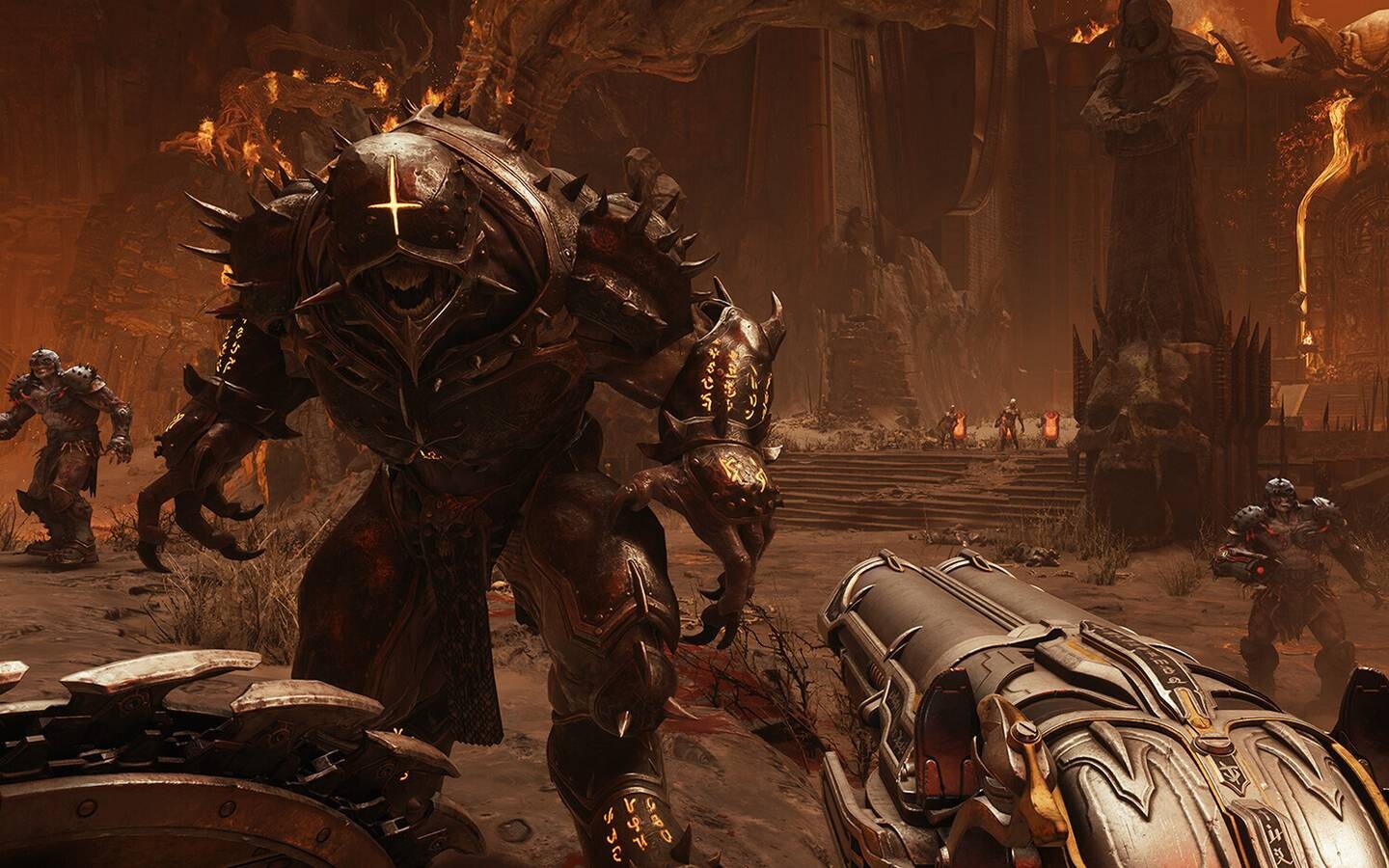
The ongoing battle against digital piracy has seen a significant development. For the first time, a game protected by Denuvo, a widely used anti-tamper technology, released in 2025 has been successfully cracked. The game in question is Doom: The Dark Ages, a prequel to the critically acclaimed Doom (2016) and Doom Eternal. This breakthrough signals a potential shift in the landscape of game security, raising concerns among publishers and developers about the effectiveness of current anti-piracy measures.
Denuvo has long been a mainstay in the gaming industry, employed to deter piracy by making it significantly more difficult to reverse engineer and modify game code. While not foolproof, it has historically added a substantial layer of protection, often delaying unauthorized copies from circulating. However, the cracking of Doom: The Dark Ages demonstrates that piracy groups are increasingly capable of overcoming these defenses, even on relatively recent titles. This development is particularly noteworthy because previous successful cracks of Denuvo-protected games typically involved older or less prominent releases.
A Two-Stage Crack
The process of circumventing Denuvo in Doom: The Dark Ages unfolded in two stages. At the end of February, a hacker known as OxZeOn initially released a beta 1.0 crack, but this version relied on a hypervisor method. This approach required disabling PC protection systems, posing a significant risk to the user’s machine. More recently, a hacker using the handle voices38 announced a full crack of Denuvo using a more traditional method, eliminating the need to disable system protections. According to voices38, their next target is Resident Evil Requiem.
The success of voices38’s method is particularly concerning for the industry. It suggests that the tools available to pirates are rapidly evolving and are now capable of tackling modern game security measures. This raises the possibility that 2026 could see the emergence of day-one cracks for new releases, even those protected by Denuvo. The increasing sophistication of cracking tools is not merely theoretical; it’s already influencing developer decisions. Crimson Desert, initially planned to launch without Denuvo, ultimately implemented the anti-tamper software in a last-minute decision driven by fears of rapid piracy, as reported by OpenCritic. OpenCritic details this shift in strategy.
Denuvo’s History with id Software Titles
Interestingly, id Software, the developer of the Doom franchise, has a somewhat complex history with Denuvo. The company previously removed Denuvo from Doom (2016) and Doom Eternal after a period following their initial releases. This decision often comes after publishers determine that the benefits of Denuvo no longer outweigh the potential performance impact or negative player feedback. As of today, March 14, 2026, no announcement has been made regarding the removal of Denuvo from Doom: The Dark Ages. Doom: The Dark Ages is currently available on Steam.
The Implications for Game Developers and Publishers
The cracking of Doom: The Dark Ages has sent ripples through the gaming industry. Denuvo, while not a perfect solution, has been a significant deterrent for many pirates. Its effectiveness, however, is now being questioned. The potential for day-one cracks could lead to substantial revenue losses for developers and publishers, particularly for titles heavily reliant on initial sales. This situation forces companies to re-evaluate their anti-piracy strategies and consider alternative approaches.
Beyond Denuvo, developers are exploring other methods to combat piracy, including more robust DRM (Digital Rights Management) systems, aggressive legal action against piracy sites, and focusing on providing compelling reasons for players to purchase games legitimately, such as ongoing content updates and engaging online experiences. Some companies are also experimenting with region-specific pricing and release schedules to mitigate the impact of piracy in certain markets.
The Evolving Landscape of Game Piracy
The history of game piracy is a constant arms race between developers, and pirates. As security measures develop into more sophisticated, so too do the techniques used to circumvent them. The cracking of Doom: The Dark Ages represents a significant escalation in this ongoing conflict. It demonstrates that pirates are not only capable of cracking modern games but are also doing so with increasing speed and efficiency.
The implications extend beyond financial losses. Piracy can also impact the development of future games. If developers are consistently losing revenue due to piracy, they may be less willing to invest in ambitious projects or take risks on innovative gameplay mechanics. This could ultimately stifle creativity and limit the diversity of games available to players.
The situation is further complicated by the debate surrounding DRM. While DRM is intended to protect games from piracy, it can also create inconveniences for legitimate players, such as requiring constant internet connections or limiting the number of devices on which a game can be played. Finding the right balance between security and user experience is a major challenge for the industry.
The success of voices38 and the broader trend of increasingly effective cracking tools suggest that the industry may need to consider more fundamental changes to its approach to piracy. This could involve exploring alternative business models, such as subscription services or focusing on building stronger relationships with players to foster a sense of loyalty and discourage piracy.
The cracking of Doom: The Dark Ages is a stark reminder that the fight against piracy is far from over. As technology continues to evolve, both developers and pirates will continue to adapt and innovate. The future of game security remains uncertain, but one thing is clear: the industry must remain vigilant and proactive in its efforts to protect its intellectual property.
The next significant development to watch will be whether voices38 follows through on their stated intention to crack Resident Evil Requiem. The timing and success of any such attempt will undoubtedly provide further insight into the current state of game piracy and the effectiveness of Denuvo.
What are your thoughts on the cracking of Doom: The Dark Ages? Share your opinions and discuss the future of game security in the comments below. Don’t forget to share this article with your friends and colleagues!
Worth a look