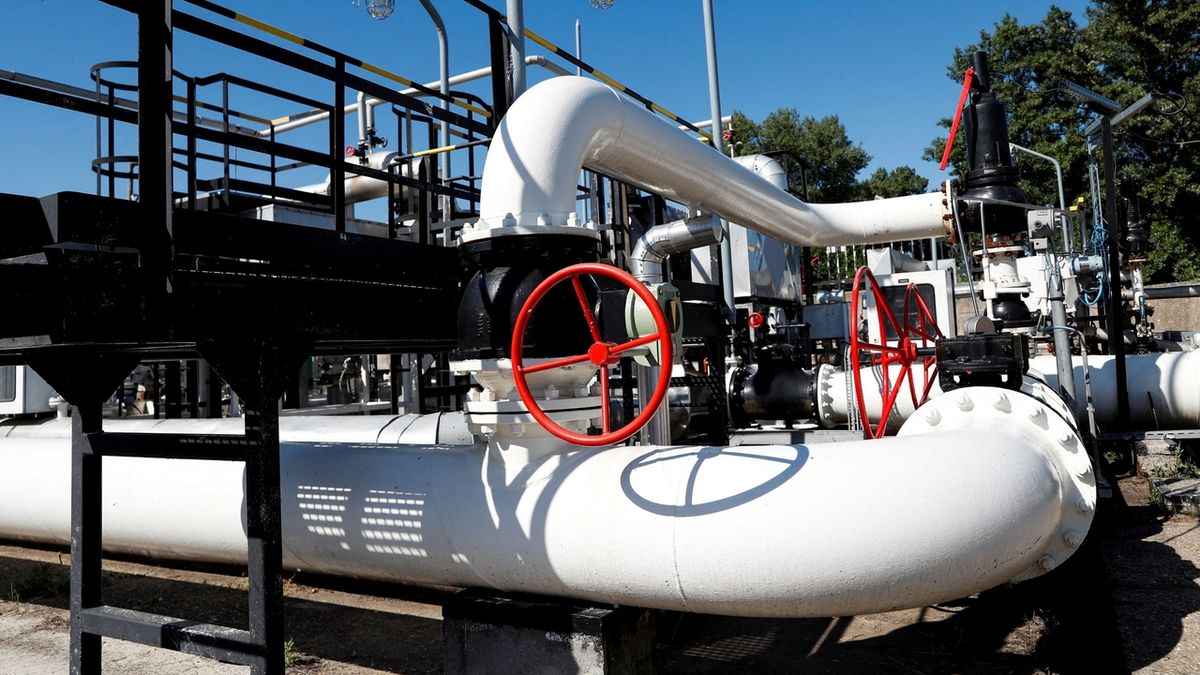
Kyiv and Budapest remain at odds over access to inspect damage sustained to the Druzhba pipeline, a critical artery for Russian oil transit to Europe. The dispute, unfolding against the backdrop of ongoing conflict in Ukraine and upcoming elections in Hungary, has fueled accusations of political maneuvering and energy blackmail. A Hungarian delegation, led by Deputy Minister of Energy Gábor Czepek, recently returned from Ukraine without being granted access to the damaged section of the pipeline, despite expressing confidence in its potential for restart.
The Druzhba pipeline, meaning “friendship” in Russian, is a crucial component of Russia’s energy infrastructure, supplying oil to several European countries, including Hungary. Damage to the pipeline, reported in recent weeks, has raised concerns about energy security in the region. While the exact cause of the damage remains contested, the incident has intensified existing tensions between Ukraine and Hungary, particularly regarding Budapest’s continued reliance on Russian energy supplies. The situation is further complicated by Hungary’s upcoming parliamentary elections on April 12, 2026, adding a layer of political sensitivity to the issue.
Hungary Alleges Obstruction, Cites Potential “Blackmail”
According to statements released by Hungarian Prime Minister Viktor Orbán, the Ukrainian government is deliberately obstructing efforts to assess the damage to the Druzhba pipeline. Orbán alleges that Kyiv is attempting to leverage the situation to pressure Hungary, potentially seeking to influence the outcome of the upcoming elections and install a “pro-Ukrainian” government in Budapest. These claims, shared on Orbán’s official Facebook page, suggest a belief that the disruption of oil supplies is a deliberate tactic to exert political pressure on Hungary. A video posted on Orbán’s Facebook page details the conversation with Czepek following the delegation’s return.
Deputy Minister Czepek echoed Orbán’s sentiments, stating that despite the delegation’s inability to inspect the damage firsthand, he believes the pipeline could be restarted. This assessment, made during a phone call with Orbán from Kyiv, appears to be based on the assumption that the damage is not insurmountable and that Ukraine is the primary obstacle to resuming operations. However, it’s important to note that this assessment was made without direct access to the site of the damage.
Ukraine’s Position and Security Concerns
Ukrainian officials have not yet issued a comprehensive public statement directly addressing Hungary’s accusations of obstruction. However, the context of the ongoing war with Russia is critical to understanding Kyiv’s position. Ukraine has repeatedly warned of the potential for Russia to exploit energy infrastructure for political purposes and has taken steps to enhance the security of its energy networks. The Druzhba pipeline, traversing Ukrainian territory, is considered a potential vulnerability, and access to the damaged section is likely subject to stringent security protocols.
The pipeline damage occurred amid increased Russian attacks on Ukrainian energy infrastructure, raising concerns about sabotage. While the cause of the damage to the Druzhba pipeline remains under investigation, Ukraine is likely prioritizing security and control over access, particularly given the ongoing conflict. The refusal to allow the Hungarian delegation full access could be interpreted as a measure to prevent potential interference or the dissemination of information that could compromise Ukraine’s security interests.
Broader Geopolitical Implications
The dispute over the Druzhba pipeline extends beyond a bilateral issue between Hungary and Ukraine. It reflects broader geopolitical tensions surrounding European energy security and the continent’s dependence on Russian fossil fuels. The war in Ukraine has prompted a significant shift in European energy policy, with many countries seeking to reduce their reliance on Russian energy sources. However, Hungary remains heavily dependent on Russian oil, making it particularly vulnerable to disruptions in supply.
This dependence has created a complex dynamic in Hungary’s relationship with both Russia and Ukraine. While Budapest has condemned Russia’s invasion of Ukraine, it has also resisted calls for stricter sanctions on Russian energy, citing concerns about its own energy security. This position has drawn criticism from some European partners and has contributed to tensions with Kyiv. The current pipeline dispute further exacerbates these tensions, highlighting the challenges of balancing energy security with geopolitical considerations.
The Role of Russian Oil in Hungary’s Energy Mix
Hungary’s reliance on Russian oil is substantial. According to data from the International Energy Agency (IEA), Russia accounted for a significant portion of Hungary’s crude oil imports in recent years. The IEA has published detailed reports on Russian energy supplies to Europe, outlining the vulnerabilities of countries heavily reliant on Russian fossil fuels. Diversifying its energy sources has proven challenging for Hungary, due to its limited domestic production and its geographical location.
The Druzhba pipeline is a key component of Hungary’s oil supply infrastructure, and any prolonged disruption could have significant economic consequences. The Hungarian government has been exploring alternative supply routes and has invested in infrastructure projects aimed at reducing its dependence on Russian oil. However, these efforts are likely to take time, and Hungary remains vulnerable to disruptions in the short term.
Upcoming Elections and Political Considerations
The timing of the Druzhba pipeline dispute coincides with Hungary’s parliamentary elections on April 12, 2026. Prime Minister Orbán’s Fidesz party is seeking to maintain its majority in parliament, and the issue of energy security is likely to be a key campaign theme. Orbán’s accusations of Ukrainian “blackmail” could be seen as an attempt to rally support among voters concerned about rising energy prices and potential supply disruptions.
The opposition parties have criticized Orbán’s close ties to Russia and have called for a more assertive stance against Moscow. The pipeline dispute is likely to further polarize the political debate, with each side attempting to frame the issue in a way that benefits their electoral prospects. The outcome of the elections could have significant implications for Hungary’s energy policy and its relationship with both Russia and Ukraine.
As of March 14, 2026, the situation remains fluid. Further negotiations between Hungary and Ukraine are expected, and the outcome will likely depend on a complex interplay of political, economic, and security considerations. The international community is closely monitoring the situation, and the potential for escalation remains a concern. The next key development will likely be a statement from the Ukrainian government outlining its position on the pipeline damage and its willingness to allow international inspections.
Key Takeaways:
- A Hungarian delegation was denied access to inspect damage to the Druzhba pipeline in Ukraine.
- Hungarian Prime Minister Viktor Orbán alleges Ukraine is deliberately obstructing access and attempting to exert political pressure.
- The dispute highlights Hungary’s continued reliance on Russian oil and broader European energy security concerns.
- The situation is further complicated by upcoming parliamentary elections in Hungary on April 12, 2026.
We encourage readers to share their thoughts and perspectives on this developing story in the comments below. Your insights are valuable as we continue to follow this important issue.
Keep reading