Cairo – Egypt is facing significant economic headwinds stemming from regional instability, particularly the ongoing conflict in Gaza and broader tensions in the Middle East. President Abdel Fattah al-Sisi revealed on Sunday that the nation’s revenues from the Suez Canal, a critical artery of global trade, have plummeted by an estimated $10 billion due to disruptions caused by these conflicts. This substantial loss underscores the vulnerability of the Egyptian economy to geopolitical events and has prompted the government to seize measures, including recent fuel price increases, to mitigate the financial strain.
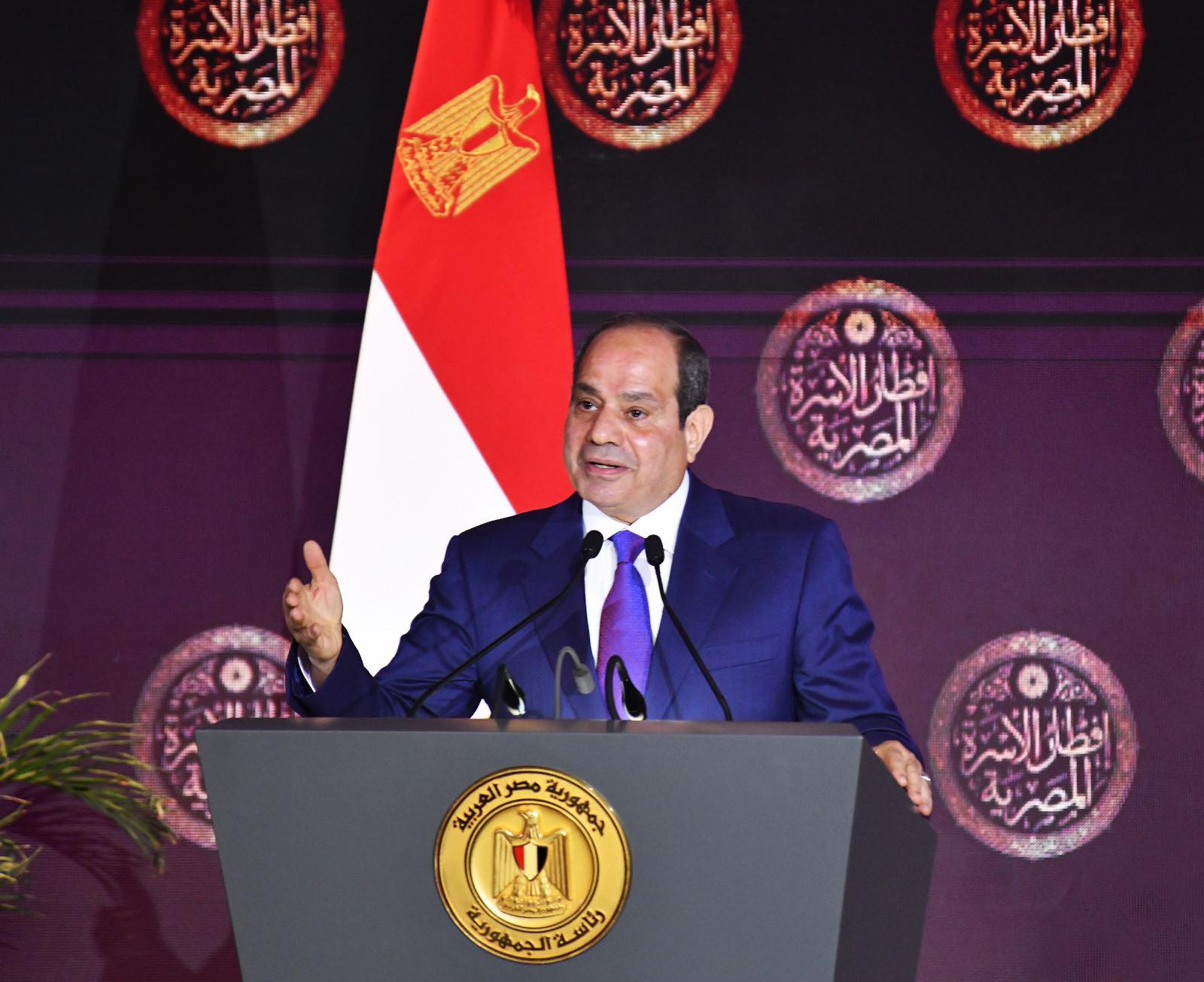
The Suez Canal, responsible for approximately 12% of global trade volume, provides Egypt with a vital source of foreign currency. The decline in revenue represents a significant blow to the country’s economy, already grappling with the impacts of global supply chain issues and rising energy costs. President Sisi addressed the nation during an “Egyptian Family Iftar” in Cairo, acknowledging the difficult economic climate and defending the government’s decisions as necessary to avoid even more severe consequences. The situation highlights the interconnectedness of global trade and the ripple effects of regional conflicts on national economies.
The $10 billion loss in Suez Canal revenue, equivalent to roughly EGP 500 billion, is a direct consequence of ships rerouting to avoid the Red Sea and Gulf of Aden, areas experiencing heightened security risks. This shift in shipping lanes adds considerable time and expense to global supply chains, impacting businesses and consumers worldwide. The conflict in Gaza, which began in October 2023 and saw a ceasefire agreed in October 2025, has been a major contributing factor to the instability, alongside escalating tensions involving Iran and Israel. The economic fallout extends beyond Egypt, affecting international maritime trade and potentially contributing to inflationary pressures globally.
Economic Pressures and Domestic Measures
President Sisi explained that Egypt’s annual consumption of petroleum products amounts to approximately $20 billion (EGP 1 trillion), with the majority used to power electricity generation. He warned that without adjustments, electricity bills could quadruple if citizens were charged the full cost of production. This context underscores the government’s rationale for raising fuel prices, a move acknowledged to be unpopular but deemed essential to protect the national economy. The President emphasized the government’s awareness of the burden placed on Egyptian citizens and pledged to implement measures to alleviate the impact.
In response to the economic strain, Sisi directed the government to expedite the launch of a new social protection package aimed at supporting low- and middle-income families. This package is intended to cushion the blow of rising prices and ensure that vulnerable populations have access to essential goods and services. However, the President as well stressed the limitations of relying on foreign borrowing to cover consumption needs, given Egypt’s growing population, which now exceeds 120 million. The require for fiscal responsibility and sustainable economic policies is becoming increasingly urgent.
Transparency and Energy Transition
Addressing concerns about government transparency, President Sisi urged officials to provide clearer explanations to the public regarding economic decisions. He affirmed that all measures are carefully studied before implementation, aiming for the least costly options for the population. This call for improved communication reflects a recognition of the importance of public trust and understanding during times of economic hardship. Effective communication can help mitigate public discontent and foster support for necessary, albeit difficult, policies.
Beyond immediate economic challenges, Sisi outlined Egypt’s commitment to transitioning towards renewable energy sources. The country is working towards a target of 42% renewable energy by 2030, with ambitions to exceed this goal and accelerate the transition. This long-term strategy aims to reduce Egypt’s reliance on fossil fuels, enhance energy security, and contribute to global efforts to combat climate change. Investing in renewable energy infrastructure is seen as a crucial step towards sustainable economic development.
Market Stability and Internal Security
President Sisi also addressed concerns about internal security and market stability, warning against price gouging and exploitation. He stated that the government would closely monitor markets and that violators could face prosecution, potentially including referral to military trials, to protect the resources of the Egyptian people. This firm stance signals the government’s determination to maintain order and prevent unscrupulous practices that could exacerbate economic hardship. Ensuring fair market practices is essential for protecting consumers and fostering economic stability.
The President also highlighted the positive role of television dramas and artistic works in promoting Egyptian cultural values and national awareness. He encouraged the creation of content that reflects the country’s heritage and contributes to a sense of national unity. This emphasis on cultural identity underscores the importance of soft power in fostering social cohesion and national pride.
Key Attendees at the Iftar
The “Egyptian Family Iftar” was attended by a number of high-ranking officials, including Prime Minister Mostafa Madbouly, Deputy Prime Minister for Economic Affairs Hussein Issa, Minister of Defence and Military Production Ashraf Salem Zaher, Speaker of the House Hesham Badawy, Senate President Essam el-Din Farid, and Pope Tawadros II. The presence of these prominent figures underscored the importance of national unity and collaboration in addressing the challenges facing Egypt. The diverse representation signaled a commitment to inclusive governance and broad-based support for the government’s policies.
Presidential spokesperson Mohamed El-Shennawy confirmed that the President’s remarks centered on the need for national cohesion during a period of regional volatility, warning that “some countries are lost due to wrong calculations.” This statement reflects a broader concern about the potential for instability in the Middle East and the importance of sound decision-making in navigating complex geopolitical challenges.
Impact on Global Trade and Future Outlook
The $10 billion loss in Suez Canal revenue is not solely an Egyptian concern; it has ramifications for global trade. The rerouting of ships around the Cape of Good Hope adds significant time and cost to shipping routes, impacting supply chains and potentially contributing to higher prices for consumers. According to the World Trade Organization, disruptions to the Suez Canal can have a cascading effect on global commerce, affecting industries ranging from manufacturing to retail. The WTO has previously warned about the potential for significant economic disruption due to Red Sea instability.
Looking ahead, the situation remains fluid and dependent on the resolution of regional conflicts. A lasting ceasefire in Gaza and de-escalation of tensions in the broader Middle East are crucial for restoring stability to the Suez Canal and mitigating the economic impact on Egypt and the global economy. The Egyptian government is actively pursuing diplomatic efforts to promote peace and stability in the region, recognizing that its economic well-being is inextricably linked to regional security. The success of these efforts will be critical in determining Egypt’s economic trajectory in the coming months and years.
The long-term implications of the Suez Canal revenue loss could necessitate further economic reforms and diversification efforts in Egypt. Reducing reliance on canal revenues and fostering growth in other sectors, such as tourism, manufacturing, and renewable energy, will be essential for building a more resilient and sustainable economy. The government’s commitment to renewable energy targets and social protection programs represents a step in this direction, but sustained investment and strategic planning will be required to achieve lasting economic prosperity.
The situation underscores the vulnerability of critical infrastructure to geopolitical risks and the importance of proactive risk management strategies. For Egypt, this includes diversifying trade routes, strengthening regional partnerships, and investing in security measures to protect the Suez Canal. For the global community, it highlights the need for collective efforts to promote peace and stability in the Middle East and ensure the smooth functioning of global trade.
The next key development to watch will be the Egyptian government’s detailed announcement of the new social protection package, expected in the coming weeks. This package will provide crucial support to vulnerable populations and help mitigate the impact of rising prices. Further updates on the situation in the Red Sea and the Suez Canal, as well as any diplomatic breakthroughs in the region, will also be closely monitored.
What are your thoughts on Egypt’s economic challenges and the impact of regional conflicts on global trade? Share your comments below and join the conversation.
Keep reading