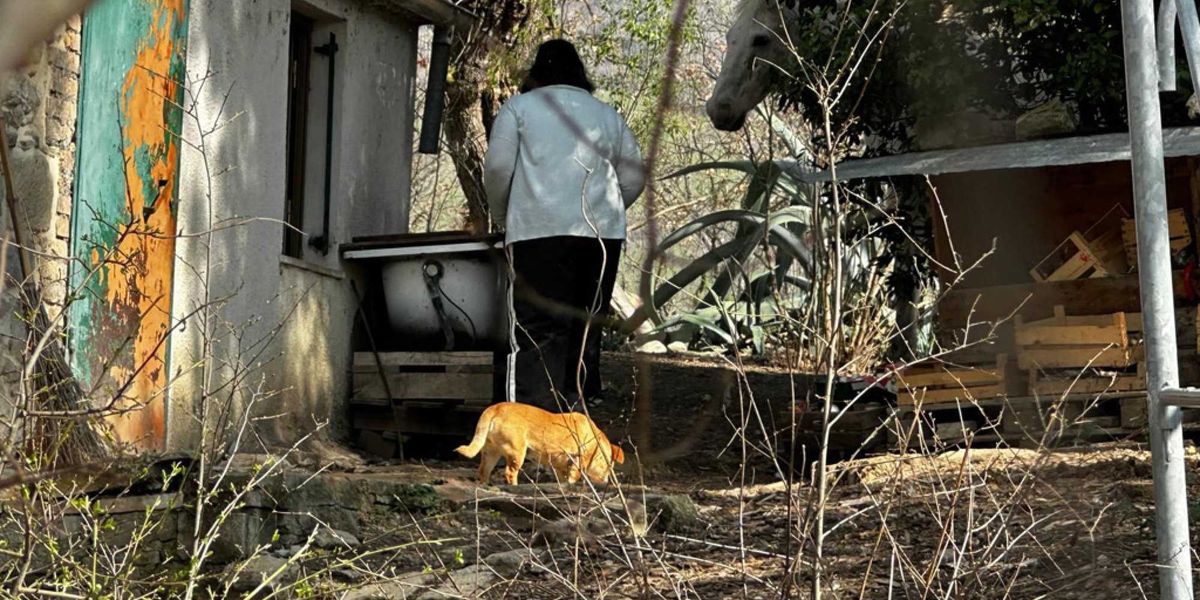
Rome, Italy – The protracted legal battle surrounding the “family in the woods” case in Italy has taken another dramatic turn, with the social worker initially involved in the case now launching a lawsuit against the family’s legal representatives. The case, which began with concerns over the unconventional lifestyle of a family living in a remote, wooded area, has captivated the Italian public and sparked a national debate about parental rights, child welfare, and the role of social services. The latest development adds another layer of complexity to a situation already fraught with legal challenges and public scrutiny.
The family, consisting of parents and several children, gained attention after reports surfaced of their isolated existence and lack of traditional schooling for the children. Authorities initially intervened, raising concerns about the children’s well-being and access to education and healthcare. The case quickly escalated, with the family fighting to maintain their lifestyle and the local authorities attempting to determine the best course of action for the children’s future. The situation has been further complicated by the involvement of various legal teams and the intense media coverage it has attracted.
The social worker’s decision to file a lawsuit against the family’s lawyers stems from allegations of undue pressure and attempts to discredit her professional assessment of the situation. According to reports, the social worker claims that the legal team engaged in tactics designed to undermine her credibility and obstruct the investigation. The specifics of the lawsuit remain confidential, but it is understood to center on claims of defamation and professional interference. This move underscores the intense polarization surrounding the case and the high stakes involved for all parties.
The Initial Intervention and Concerns
The story of the “family in the woods” first emerged in late 2023, drawing immediate attention from Italian media. The family had chosen to live a secluded life in a rural area, prioritizing a connection with nature and a self-sufficient lifestyle. While they provided for their children’s basic needs, concerns were raised about their lack of formal education and limited access to medical care. Local authorities, acting on these concerns, initiated an investigation to assess the children’s welfare.
The initial intervention involved visits from social workers and educational authorities, who sought to understand the family’s circumstances and the children’s living conditions. These visits reportedly revealed a lack of traditional schooling, with the parents opting to educate their children through alternative methods. While the children appeared physically healthy, concerns were raised about their social development and future opportunities. The authorities ultimately decided to temporarily remove the children from their parents’ care, initiating a legal process to determine their long-term welfare.
The removal of the children sparked a public outcry, with many questioning the authorities’ decision and expressing support for the family’s unconventional lifestyle. Supporters argued that the parents were capable of providing a loving and nurturing environment for their children, and that the intervention was an unwarranted intrusion into their private lives. Others maintained that the authorities were justified in their actions, citing the children’s right to education and healthcare. The case quickly became a focal point for broader debates about parental rights and the limits of state intervention.
Legal Battles and Shifting Rulings
Following the removal of the children, a complex legal battle ensued, with the parents challenging the authorities’ decision in court. The case has been marked by a series of shifting rulings and appeals, as both sides presented their arguments and evidence. The parents have consistently maintained that their lifestyle is not harmful to their children and that they are capable of providing them with a fulfilling upbringing. They have also accused the authorities of bias and of failing to adequately consider their perspective.
The legal proceedings have involved numerous hearings and expert testimonies, with psychologists, educators, and social workers offering their opinions on the children’s welfare. The courts have struggled to balance the parents’ right to autonomy with the children’s right to education and healthcare. Several rulings have gone back and forth, with the children being temporarily returned to their parents’ care only to be removed again following further concerns. The uncertainty surrounding the children’s future has added to the emotional toll on all parties involved.
Adding to the complexity, the case has attracted the attention of political figures, with some using it as an opportunity to weigh in on issues of family values and social policy. Matteo Salvini, Italy’s Deputy Prime Minister and Minister of Transport, has publicly commented on the case, sparking controversy with remarks that some critics deemed insensitive and dismissive of the family’s situation. Salvini’s comments, often delivered through social media, have further fueled the public debate and intensified the scrutiny on the case.
The Social Worker’s Lawsuit: A Fresh Development
The recent lawsuit filed by the social worker represents a significant escalation in the legal drama. The social worker alleges that the family’s legal team engaged in a deliberate campaign to discredit her professional assessment and obstruct the investigation. According to reports, the lawyers allegedly made false accusations about her competence and integrity, and attempted to portray her as biased against the family. The social worker claims that these actions caused her significant emotional distress and damaged her professional reputation.
The lawsuit seeks damages for defamation and professional interference, and aims to hold the lawyers accountable for their alleged misconduct. The legal proceedings are expected to be lengthy and complex, with both sides presenting their evidence and arguments in court. The outcome of the lawsuit could have significant implications for the case, potentially influencing the courts’ decisions regarding the children’s welfare. It also raises important questions about the protection of social workers and other professionals involved in sensitive child welfare cases.
The social worker’s decision to grab legal action underscores the challenges faced by professionals working in the field of child welfare. These individuals often encounter intense pressure and scrutiny, and are sometimes subjected to personal attacks and threats. The lawsuit serves as a reminder of the importance of protecting these professionals and ensuring that they can carry out their duties without fear of intimidation or harassment.
The Role of Alternative Education
A central theme in the “family in the woods” case is the question of alternative education. The parents chose to educate their children outside of the traditional school system, believing that a more natural and experiential approach would be more beneficial for their development. This decision has sparked debate about the merits of alternative education and the extent to which parents should have the right to choose their children’s educational path.
Proponents of alternative education argue that traditional schools can be stifling and inflexible, and that children can thrive in more personalized and self-directed learning environments. They point to the success of homeschooling and other alternative educational models as evidence that children can receive a high-quality education outside of the traditional classroom. Critics, however, argue that alternative education can lead to gaps in knowledge and skills, and that children may miss out on important social and emotional development opportunities.
The Italian legal system generally requires children to attend school, but it also allows for some flexibility in the form of homeschooling and other alternative arrangements. The courts in this case have been grappling with the question of whether the parents’ alternative educational approach meets the legal requirements and adequately safeguards the children’s right to education. The outcome of the case could set a precedent for future cases involving alternative education in Italy.
Public Reaction and Ongoing Debate
The “family in the woods” case has resonated deeply with the Italian public, sparking a national debate about family values, parental rights, and the role of the state in protecting children. Social media platforms have been flooded with comments and opinions, with many people expressing strong feelings on both sides of the issue. The case has also been covered extensively by the media, with newspapers, television channels, and online news outlets providing ongoing updates and analysis.
The public debate has been fueled by a growing sense of unease about the increasing intrusion of the state into family life. Many people believe that parents should have the right to raise their children as they see fit, without undue interference from authorities. Others argue that the state has a responsibility to protect children from harm and to ensure that they have access to education and healthcare. The case has highlighted the tension between these competing values and the challenges of finding a balance between individual freedom and collective responsibility.
The case has also raised questions about the role of the media in shaping public opinion. Some critics have accused the media of sensationalizing the story and of portraying the family in a negative light. Others argue that the media has played a legitimate role in bringing the case to public attention and holding the authorities accountable. The ongoing debate underscores the importance of responsible journalism and the need for a nuanced and balanced approach to reporting on sensitive social issues.
As of March 15, 2026, the legal proceedings surrounding the “family in the woods” case remain ongoing. The social worker’s lawsuit against the family’s legal representatives is expected to be heard in court in the coming months, and the courts are still deliberating on the long-term welfare of the children. The case is likely to continue to attract public attention and to fuel debate about the complex issues at stake. The next hearing regarding the children’s custody is scheduled for April 22, 2026, in the Court of Appeal in Rome. Readers are encouraged to follow updates on this developing story and to share their thoughts and perspectives in the comments section below.
Worth a look