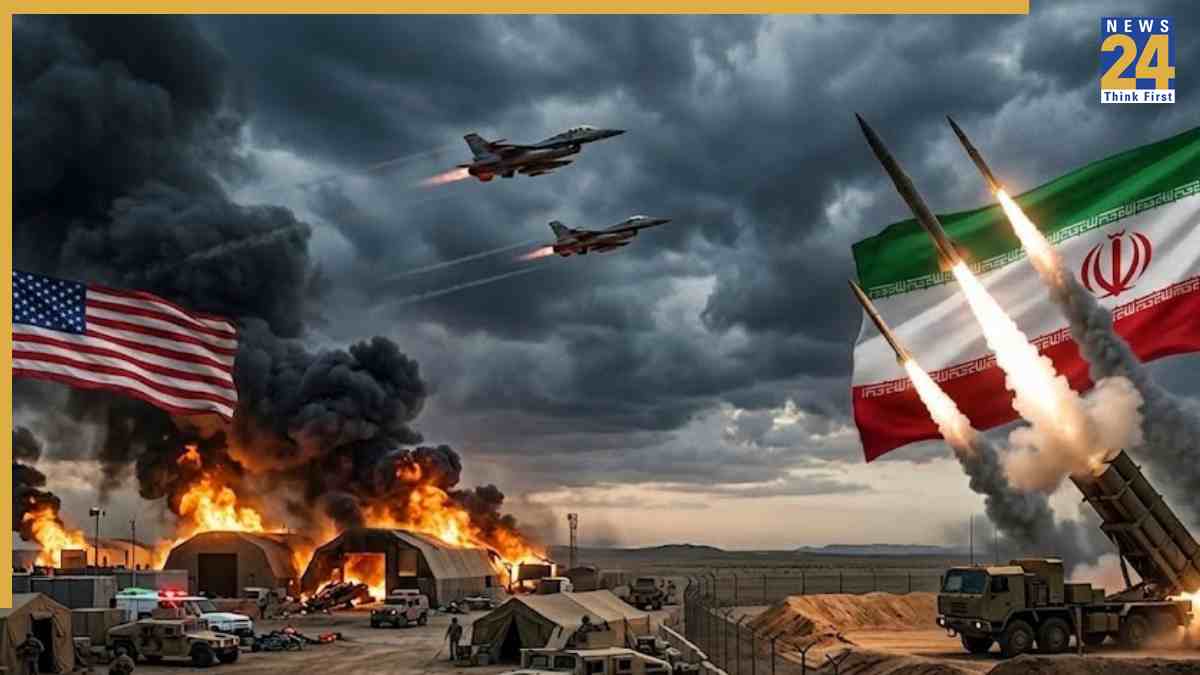
Iran launched multiple ballistic missiles at a U.S. military base in Jordan on Tuesday, July 29, 2026, marking an attempted surprise strike that broke a four-day pause in hostilities. U.S. Central Command reported that all incoming projectiles were successfully intercepted, with no immediate casualties or structural damage recorded.
The attack unfolded at 5:45 p.m. ET, according to news24online.com. Forces belonging to Iran’s Islamic Revolutionary Guard Corps fired the barrage against American forces stationed in the region.
The incident shatters a fragile diplomatic lull. President Donald Trump had paused military operations against Tehran just days prior to allow space for negotiations, stating publicly that both sides were engaged in productive talks.
CENTCOM Confirms Interception of Ballistic Missiles Over Jordan
Military authorities confirmed that defense systems neutralized every incoming threat during the evening strike. The confrontation marks the first direct ballistic missile assault on American installations since the recent pause in combat.
“Islamic Revolutionary Guard Corps forces launched multiple ballistic missiles from Iran in an attempted surprise attack on U.S. forces based in the Middle East.”
U.S. Central Command, via CNBC
indiatoday.in emphasized that American troops maintain a high state of vigilance following the failed strike. Jordan previously served as the site of a fatal drone and missile attack earlier in the month that killed two U.S. service members, prompting a 13-night campaign of American retaliatory strikes.
Diplomatic Talks and Stockpile Pressures Behind the Recent Pause
The brief cessation of hostilities followed internal discussions within the White House regarding defense munitions. Concerns were raised regarding dwindling supplies of Patriot interceptors and regional air defense munitions, according to reports detailed by the New York Times.
Despite those logistical pressures, President Trump defended the diplomatic channel during remarks to reporters. We’re having good talks. I think there’s a good chance that something could happen, and if it doesn’t, we go back to doing what we were doing two days ago,
Trump stated on Monday.
The presidential pause was intended to foster diplomatic avenues between Washington and Tehran.
Coordinated Strikes in Iraq and Maritime Escalations in the Red Sea
While the ballistic missiles targeted Jordan, conflict flared concurrently across other regional flashpoints. American and Saudi fighter jets executed coordinated airstrikes against logistics and weapons sites used by Iran-backed militias in eastern Iraq. CNBC reported that the retaliatory action followed more than 30 drone attacks directed against U.S. and Saudi interests over a 72-hour period.
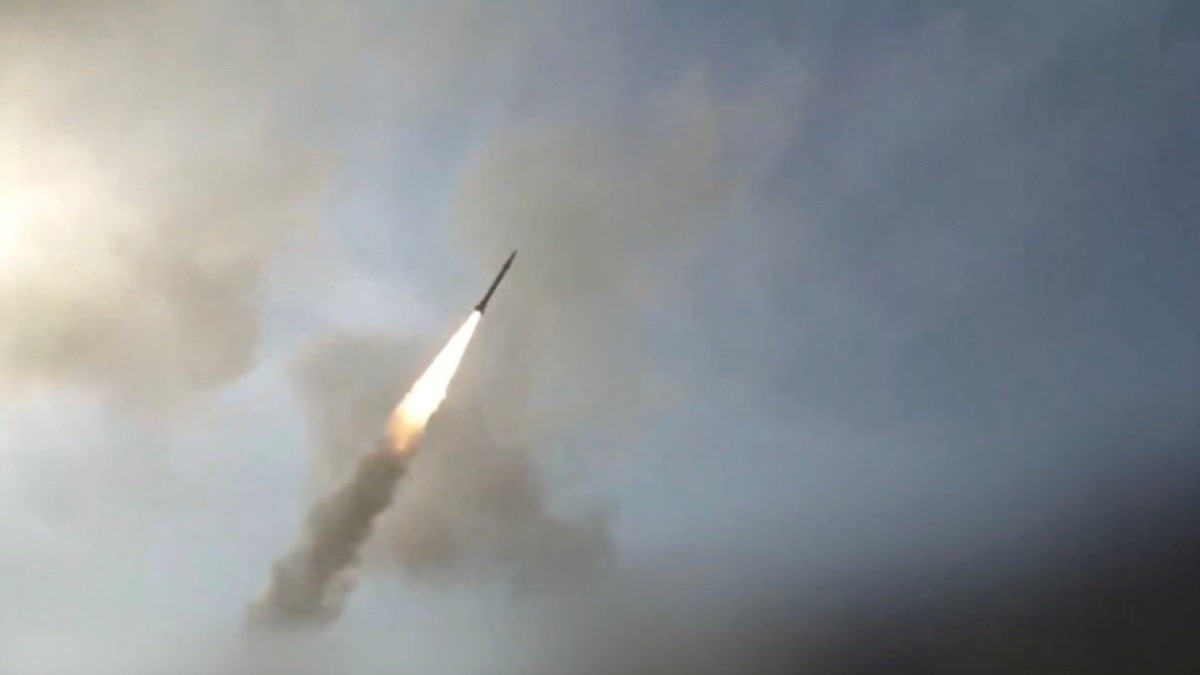
Saudi Arabia’s defense ministry confirmed coordination with American forces, emphasizing that the kingdom does not seek escalation but will respond directly to any aggression targeting its petroleum facilities in the eastern region.
At sea, Yemen’s Houthi movement intensified enforcement of a maritime blockade affecting Saudi shipping lanes. Houthi military spokesperson Yahya Saree claimed responsibility for launching ballistic missiles at a Saudi oil tanker in the Red Sea after the vessel allegedly violated closure warnings. Concurrently, the United Kingdom Maritime Trade Operations Centre logged a separate advisory after the master of a commercial tanker reported hearing an explosion while transiting the southern Red Sea.
White House Meeting Focuses on Nuclear Prevention
Hours before the missile launch in Jordan, President Trump hosted Israeli Prime Minister Benjamin Netanyahu for a 90-minute closed-door meeting in the Oval Office.
Following the private talks, Netanyahu characterized the exchange as among the best the two leaders had ever shared, noting a mutual understanding regarding regional security objectives despite prior strains over the broader conflict.
Keep reading