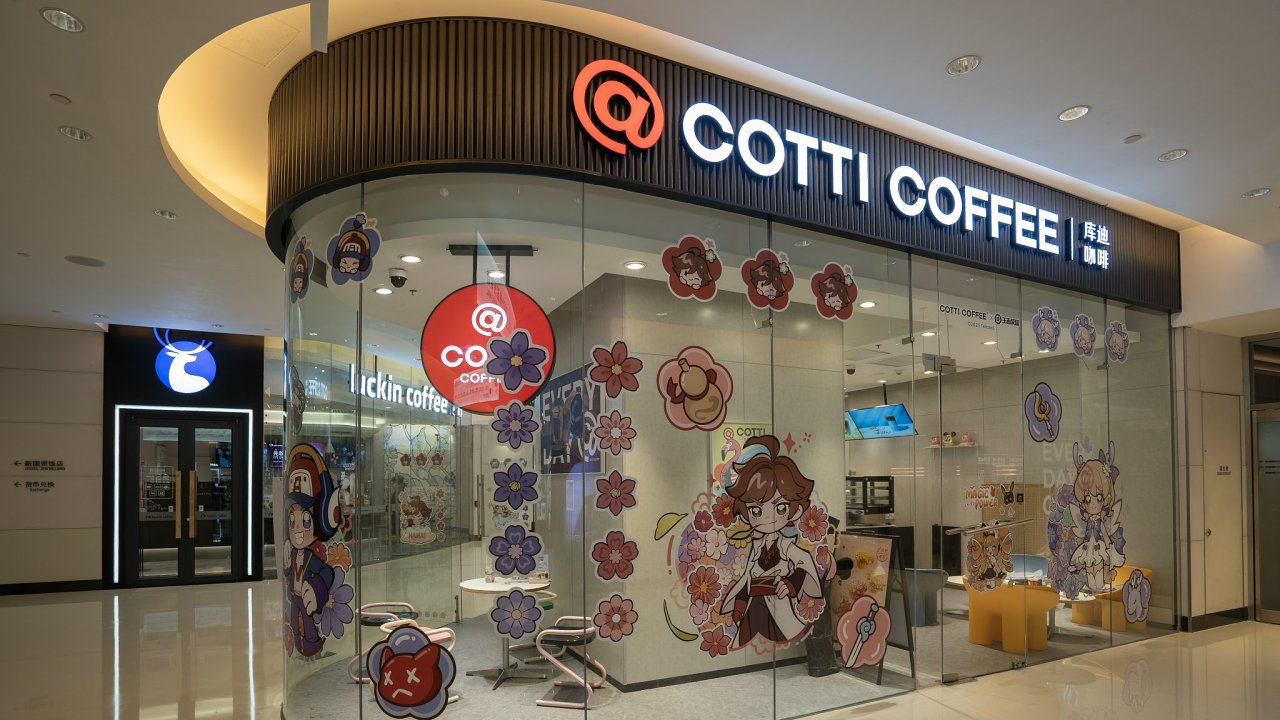
The global coffee market is bracing for another wave of competition as Cotti Coffee, a rapidly expanding Chinese chain, sets its sights on Europe. This move comes as established giants like Starbucks grapple with shifting consumer preferences and increased pressure to maintain market share. While Starbucks attempts to lure back customers with promotions, Cotti Coffee is positioning itself as a low-cost alternative, a strategy that has already begun to disrupt the coffee landscape in other regions.
The expansion of Cotti Coffee into Europe represents a broader trend of Chinese companies seeking opportunities abroad, particularly in the food and beverage sector. This isn’t happening in isolation; other Chinese chains, like Luckin Coffee and Chagee, are also actively planning expansions into the United States, signaling a concerted effort to challenge Western dominance in the global coffee and tea markets. The competitive pressure is intensifying, forcing established players to adapt and innovate.
Cotti Coffee: A Low-Cost Disruptor
Cotti Coffee, founded in 2022, has quickly gained traction in China by offering coffee at significantly lower prices than Starbucks. According to Hospodářské noviny, the chain aims to replicate this success in Europe. The company’s strategy centers around affordability, targeting a broader customer base that may be price-sensitive. This approach contrasts with Starbucks’ focus on creating a premium “third place” experience, and has drawn criticism from some coffee purists who view it as prioritizing quantity over quality.
The initial European foray is focused on Germany, with a location already opened in Hamburg. The choice of Germany is strategic, as it represents a significant coffee market within Europe. Germany’s coffee consumption is substantial, with a reported price of $3.06 for a cup of coffee as of 2024, according to CoffeeStics. This provides a potential opening for Cotti Coffee to undercut competitors and attract budget-conscious consumers. The company’s rapid expansion in China, opening hundreds of stores in a short period, demonstrates its ability to scale quickly, a factor that could prove crucial in its European ambitions.
Starbucks Under Pressure
Starbucks, the world’s largest coffeehouse company, is facing increasing challenges. The company has been attempting to revitalize its brand and attract customers with various promotions, including free coffee and personalized messages on cups. However, these efforts have been met with mixed reactions, and foot traffic has reportedly been declining. Reports suggest that consumers are becoming less receptive to Starbucks’ traditional offerings.
The emergence of competitors like Cotti Coffee and Luckin Coffee adds another layer of complexity to Starbucks’ challenges. Luckin Coffee, despite past financial difficulties, is also targeting the U.S. Market, further intensifying the competition. Forbes reported in March 2025 that both Luckin Coffee and Chagee are stepping up their plans to open stores in the United States. This dual threat from Chinese competitors is forcing Starbucks to re-evaluate its strategies and consider new approaches to maintain its market leadership.
Global Coffee Price Landscape
The price of coffee varies significantly around the world, influenced by factors such as local economic conditions, import duties, and consumer preferences. Data from CoffeeStics reveals a wide range of prices, from a low of $0.77 in Tunisia to a high of $5.71 in Bermuda (as of late 2024/early 2025). In Europe, prices range from $1.54 in Italy and Turkey to $5.40 in Denmark. The Czech Republic has an average coffee price of $2.46. This price variation highlights the potential for Cotti Coffee to gain a competitive advantage by offering lower prices in markets where coffee is relatively expensive.
Here’s a snapshot of coffee prices in select countries (data from CoffeeStics):
| Country | Price (USD) |
|---|---|
| United States | $4.69 |
| India | $1.83 |
| Turkey | $1.54 |
| Germany | $3.06 |
| China | $3.95 |
| Czech Republic | $2.46 |
| United Kingdom | $3.36 |
The affordability of coffee in countries like India and Turkey, compared to the United States and parts of Europe, reflects differences in economic development and consumer spending power. Cotti Coffee’s strategy of offering lower prices is likely to resonate particularly well in markets where coffee is considered a luxury item.
The Broader Implications
The expansion of Chinese coffee chains into Europe and the United States has broader implications for the global coffee industry. It signals a shift in the balance of power, with emerging markets challenging the dominance of established Western brands. This competition is likely to benefit consumers, as it could lead to lower prices and increased innovation. However, it also raises concerns about potential quality compromises and the impact on local coffee producers.
The success of Cotti Coffee and Luckin Coffee will depend on their ability to adapt to local tastes and preferences. While low prices are a key attraction, consumers also value quality, service, and ambiance. These companies will necessitate to strike a balance between affordability and customer experience to gain a sustainable foothold in the European and American markets. The coming months and years will be crucial in determining whether these Chinese chains can successfully disrupt the global coffee industry.
Looking Ahead
Cotti Coffee’s expansion into Europe is still in its early stages. The company is expected to open more stores in Germany and potentially expand into other European countries in the coming years. The next key development will be observing how Cotti Coffee adapts its menu and marketing strategies to appeal to European consumers. Luckin Coffee’s U.S. Expansion plans are also worth watching, as they will provide further insight into the viability of the Chinese model in the American market. The competitive landscape is dynamic, and the outcome remains uncertain.
The coffee industry will continue to evolve as consumer preferences change and new competitors emerge. The rise of Chinese coffee chains is a significant development that is reshaping the global market. We see a story that will continue to unfold in the years to come, with implications for both consumers and industry players alike.
What are your thoughts on the arrival of Cotti Coffee in Europe? Share your opinions in the comments below, and don’t forget to share this article with your network!