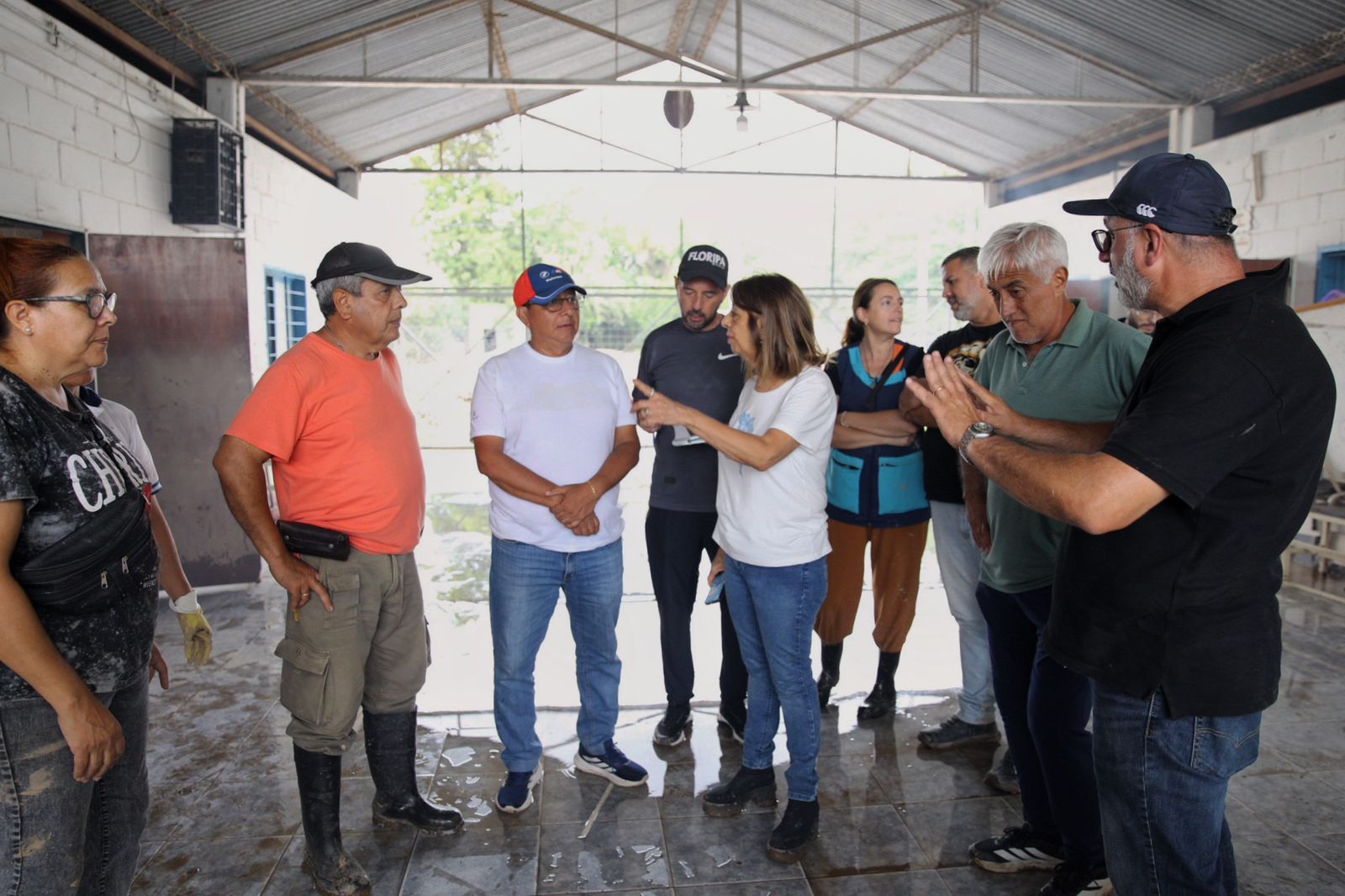
The aftermath of recent flooding in Tucumán Province, Argentina, is prompting a concerted effort to restore educational facilities in La Madrid. Provincial officials, including Education Minister Susana Montaldo and Interior Minister Darío Monteros, have been assessing the damage and overseeing cleanup operations at several schools impacted by the rising waters. The focus is on ensuring students can return to learning as quickly and safely as possible, a task complicated by significant infrastructural damage and the require to replace lost materials.
The situation in La Madrid underscores the vulnerability of educational infrastructure to extreme weather events, a growing concern globally. Whereas the immediate priority is restoring access to education, the long-term implications of the flooding – including potential psychological impacts on students and the financial burden of repairs – are likewise coming into focus. The collaborative response, involving provincial ministries, local authorities, and community members, highlights the importance of coordinated disaster relief efforts.
Minister Montaldo, along with Minister Monteros, the head of the SAT (Servicio de Aplicaciones Técnicas), Marcelo Caponio, and the local commissioner, Héctor Soria, recently toured the affected schools. The inspection included Escuela N.° 71 “Provincia de Jujuy,” which shares its building with the IES La Madrid; Escuela Especial “Alcira del Blanco de Ergueta,” a school for students with disabilities; and CEJA La Madrid, a center for adult education that shares space with the Escuela de Comercio “Tte. Benjamín Matienzo.” The officials met with school directors, teachers, and community members to assess needs and monitor the progress of cleanup efforts.
Assessing the Damage and Mobilizing Resources
The extent of the damage varies across the schools. According to Minister Montaldo, in some classrooms, the water level exceeded one meter, rendering furniture unusable. “In some classrooms where the water rose more than a meter, it will be difficult to salvage the furniture, so we need to get the bathrooms back in order, clean, disinfect – this will take time,” she stated. The immediate tasks involve removing mud and debris, disinfecting facilities, and evaluating the structural integrity of the buildings. The SAT has provided water tanks to assist with the removal of mud, and the Municipality of Aguilares has also been actively involved in the cleanup, working throughout the day to restore the schools.
Graciela Paredez, director of Escuela N.° 71, emphasized the collaborative spirit of the recovery effort. “The Minister of Education is here helping us alongside us to collaborate. There is a lot of work to be done. At the moment, we are removing the mud that remains from the flood. Several municipalities are accompanying us to position the school back in order,” she said. The involvement of multiple municipalities demonstrates a broader regional commitment to supporting La Madrid’s recovery.
The Escuela Especial “Alcira del Blanco de Ergueta” suffered particularly severe damage. Daniela García, the head teacher of the afternoon shift, described the situation as “a catastrophe,” noting that the floodwaters were three times higher than in previous events and caused significant structural damage, including broken doors, and windows. “It has been a total loss, not only of furniture but also of the school’s infrastructure,” she explained. Despite the devastation, teachers at the school have been providing support to students with disabilities, offering them a safe and dry place to gather.
Supporting Students and Families
Beyond the physical restoration of the schools, officials are also focused on providing support to students and families affected by the flooding. García highlighted the importance of ensuring students have a safe and supportive environment. “All of us, with the group of teachers from the afternoon shift, have been coming from the first day to assist our students, because they are students with disabilities, the youngest ones, so we try to leave them in a dry place, with cushions, with everything,” she said. The immediate priority is to address the basic needs of students and provide emotional support as they cope with the trauma of the disaster.
The recovery process is expected to be lengthy and complex. García emphasized that simply cleaning the schools is not enough. “This is not about cleaning the school and returning to class tomorrow. There is a lot missing. We need, let’s say, the infrastructure part so that they come to do an evaluation of the institution, to observe if It’s safe to return to class,” she stated. A thorough assessment of the structural integrity of the buildings is crucial to ensure the safety of students and staff.
The community of La Madrid is demonstrating remarkable resilience in the face of adversity. Minister Montaldo praised the solidarity shown by residents, supervisors, directors, teachers, and the government. “I believe that while we are experiencing a very difficult time and many people have lost everything, it is also a time when we see that Argentinians and, in particular, Tucumans, also have a spirit of solidarity that becomes evident when we are experiencing situations like this,” she said. This sense of community is proving vital in the recovery effort, with residents offering assistance to one another and working together to rebuild their lives.
Local Leadership and Coordination
Local Commissioner Héctor Soria underscored the government’s commitment to restoring educational services as quickly as possible. “As the governor has instructed us, we are accompanying the Ministry of Education here so that classes can be resumed for the children in our locality as soon as possible. We understand the situation that the families are going through, who have lost everything, but we are doing everything possible so that they are in conditions,” he stated. The coordinated response, involving the provincial government, local authorities, and community organizations, is essential to ensuring a swift and effective recovery.
Soria also highlighted the support provided by various agencies, including the SAT, which provided water tanks for removing mud, and the Municipality of Aguilares, which has been working tirelessly to clean the schools. This collaborative approach demonstrates the commitment of all stakeholders to restoring educational services in La Madrid.
The situation in La Madrid serves as a stark reminder of the impact of climate change and the importance of investing in resilient infrastructure. While the immediate focus is on restoring educational facilities, long-term planning is needed to mitigate the risks of future flooding and protect vulnerable communities. The recovery effort in La Madrid is not only about rebuilding schools; it is about rebuilding lives and fostering a sense of hope for the future.
Looking Ahead: Rebuilding and Resilience
The recovery process in La Madrid is ongoing, and the full extent of the damage is still being assessed. The immediate priorities remain clearing debris, disinfecting facilities, and ensuring the structural safety of the schools. However, officials are also beginning to plan for the long-term, focusing on rebuilding infrastructure and providing ongoing support to students and families. The collaborative spirit demonstrated by the community, coupled with the commitment of provincial and local authorities, offers a glimmer of hope amidst the devastation.
As the community begins to rebuild, it is crucial to learn from this experience and invest in measures to mitigate the risks of future flooding. This includes improving drainage systems, strengthening infrastructure, and developing comprehensive disaster preparedness plans. The resilience of the community of La Madrid will be tested in the months and years to come, but their determination to overcome this challenge is evident.
The next step in the recovery process will be a detailed assessment of the structural damage to the schools, which will inform the development of a comprehensive rebuilding plan. Officials have not yet announced a timeline for the completion of the repairs, but they have pledged to work tirelessly to ensure that students can return to learning as soon as possible. The community is encouraged to stay informed about the latest developments and to offer their support in any way they can.
The situation in La Madrid highlights the importance of community solidarity and the need for proactive disaster preparedness. As the region moves forward with the recovery process, it is essential to prioritize the well-being of students and families and to build a more resilient future for all.
Key Takeaways:
- Flooding in La Madrid, Tucumán Province, has significantly impacted local schools, requiring extensive cleanup and repairs.
- Provincial officials, including Education Minister Susana Montaldo and Interior Minister Darío Monteros, are leading the recovery efforts.
- The community has demonstrated remarkable resilience and solidarity in the face of adversity.
- Long-term planning is needed to mitigate the risks of future flooding and protect vulnerable communities.
If you have been affected by the flooding in La Madrid, or wish to offer support, please contact your local authorities or relevant aid organizations. Share this article to raise awareness of the situation and the ongoing recovery efforts.