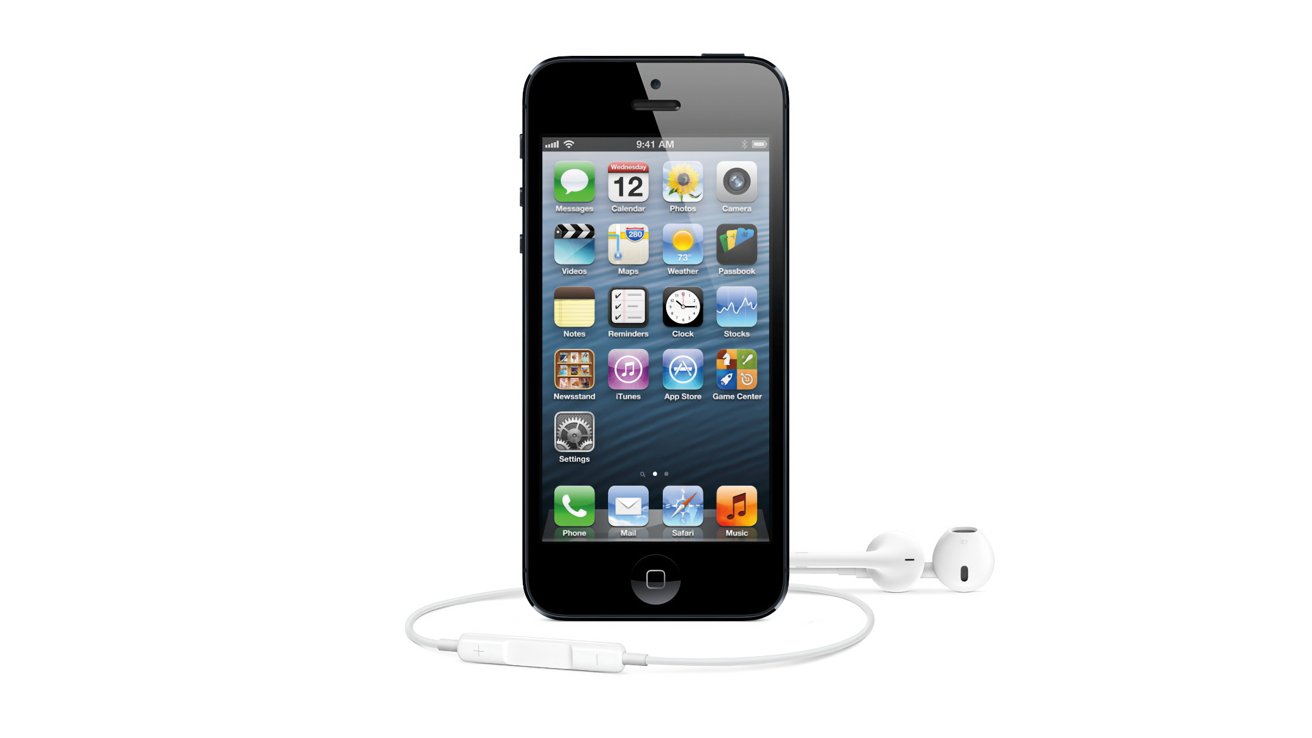
San Francisco, CA – Apple has officially declared the iPhone 5 obsolete, marking the end of official hardware support for the device as of March 16, 2026. This decision impacts both the original iPhone 5 and the 8GB iPhone 4, moving them off the company’s list of products eligible for repair through its official channels. The iPhone 5 holds a significant place in Apple’s history as the first iPhone to utilize the Lightning connector, a transition that would define the port standard for nearly a decade.
The move to obsolescence means Apple and its authorized service providers will no longer provide parts or hardware service for the iPhone 5. Even as the device may continue to function for users, repairs within the Apple ecosystem are effectively halted. This impacts a device that, for many, represented a pivotal moment in smartphone design and functionality. The iPhone 5, released in September 2012, introduced a larger 4-inch display, a thinner and lighter design, and the aforementioned Lightning port, replacing the older 30-pin connector.
Understanding Apple’s Obsolescence Policy
Apple maintains a tiered system for product support, categorizing devices as “vintage” and then “obsolete.” A product is considered “vintage” approximately seven years after its last sale. During this period, Apple may continue to offer limited repair services, but parts availability can become constrained. Once a product is deemed “obsolete,” Apple ceases all hardware repairs and support. According to Apple’s support documentation, products are moved to obsolete status when parts are no longer available. This policy is standard practice within the technology industry, allowing manufacturers to streamline support for current products and manage inventory costs.
The iPhone 5’s journey to obsolescence began when it was first designated as “vintage” in November 2018, six years after its initial launch. AppleInsider reported on this initial designation, highlighting the beginning of the end for official support. The transition to “obsolete” status, confirmed on March 16, 2026, signifies the final step in this process. The 8GB iPhone 4 was also moved to obsolete status at the same time.
The Significance of the Lightning Port
The introduction of the Lightning port with the iPhone 5 was a pivotal moment for Apple. It represented a move towards a standardized, smaller, and more durable connector. Prior to the Lightning port, Apple devices used the 30-pin connector, which was significantly larger and less robust. The Lightning port offered several advantages, including its reversible design, smaller size, and improved data transfer speeds. This change also allowed Apple to exert greater control over accessory manufacturing, as the Lightning connector required authentication chips for third-party accessories to function correctly.
The Lightning port remained Apple’s primary connector for iPhones, iPads, and AirPods for over a decade. However, in September 2023, Apple began transitioning to USB-C with the iPhone 15, a change driven by European Union regulations mandating a common charging standard. Reuters detailed the shift to USB-C, noting the regulatory pressures that prompted the change. The iPhone 5, as the first device to embrace the Lightning connector, now stands as a marker of a technological era that is drawing to a close.
What Does Obsolescence Mean for iPhone 5 Users?
For users still relying on the iPhone 5, the obsolescence declaration primarily impacts hardware repair options. While the device will continue to function as long as its components remain operational, any hardware failures will be challenging, if not impossible, to address through official Apple channels. Independent repair shops may still offer services, but parts availability will likely diminish over time, and the quality of repairs may vary. Software updates are also unlikely to continue indefinitely, potentially raising security concerns as the device becomes more vulnerable to exploits.
Users concerned about the security and functionality of their iPhone 5 may consider upgrading to a newer model. Apple continues to release software updates for newer devices, providing security patches and latest features. However, for users who are satisfied with the iPhone 5’s capabilities and are willing to accept the risks associated with using an unsupported device, it can remain a functional, albeit aging, smartphone. It’s important to note that while Apple no longer supports the device, the iOS operating system, even on older hardware, still offers a range of functionalities for basic communication and app usage.
Third-Party Repair Options and Data Security
While Apple has ceased official support, third-party repair services remain an option for iPhone 5 owners. However, it’s crucial to exercise caution when choosing a repair provider. Reputable independent repair shops can offer quality repairs, but it’s essential to verify their credentials and ensure they use genuine or high-quality replacement parts. Data security is also a concern when using third-party repair services. Users should back up their data before submitting their device for repair and consider wiping the device if they are concerned about sensitive information falling into the wrong hands.
the lack of ongoing software updates poses a security risk. Older iOS versions are more susceptible to malware and vulnerabilities. Users should avoid installing untrusted apps and be cautious about clicking on suspicious links. Using a strong passcode and enabling two-factor authentication can also help mitigate security risks. The potential for security breaches underscores the importance of considering an upgrade to a supported device for users who prioritize data protection.
Looking Ahead: The Future of iPhone Support
Apple’s obsolescence policy is a continuous process, with older devices regularly being removed from the support list. This allows the company to focus its resources on supporting current products and developing new technologies. The lifespan of Apple products is generally longer than that of many competitors, but eventually, all devices reach the end of their supported life. The trend towards longer software support cycles, however, is becoming increasingly common, with some manufacturers offering updates for five years or more.
The move to USB-C across the iPhone lineup signals a broader shift towards standardization in the technology industry. This change is likely to simplify charging and data transfer for consumers and reduce electronic waste. As Apple continues to innovate, it will be interesting to see how its support policies evolve and how it balances the need to support older devices with the demands of technological advancement. The next scheduled product announcement from Apple is expected in June 2026, where further details on software support and future device plans will likely be revealed.
The obsolescence of the iPhone 5 serves as a reminder of the rapid pace of technological change. While the device may no longer be officially supported, it remains a significant piece of Apple’s history and a testament to the company’s design and innovation.
What are your thoughts on Apple’s obsolescence policy? Share your experiences with the iPhone 5 in the comments below, and don’t forget to share this article with your friends and family.
Worth a look