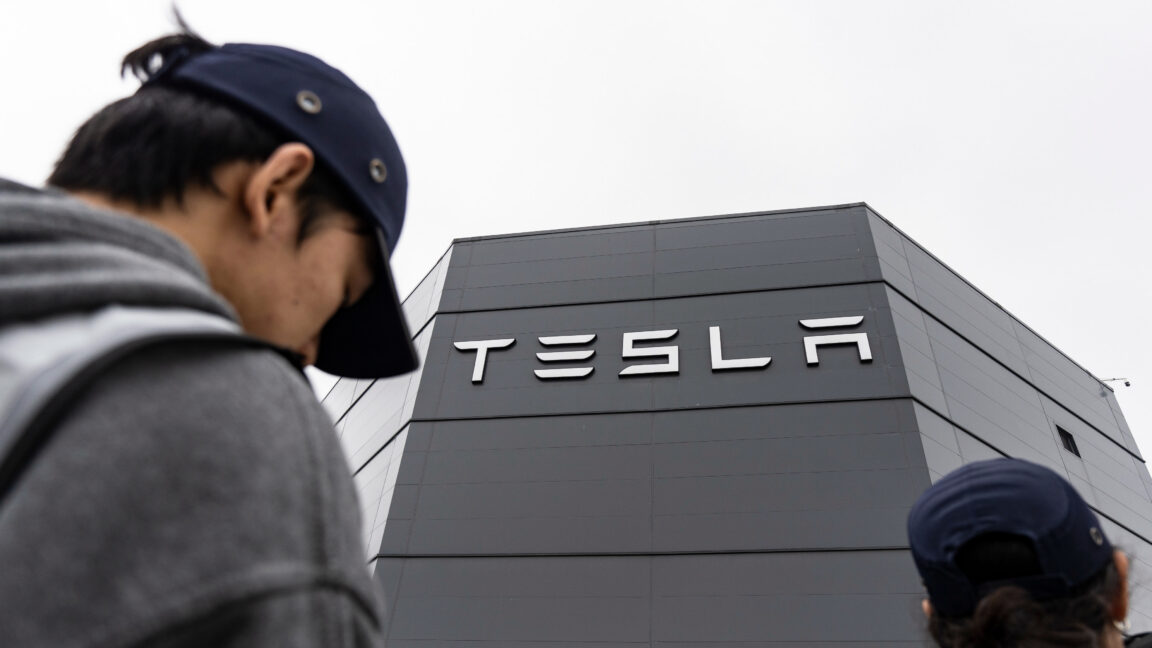
Tesla’s factory in Shanghai achieved its best June ever, manufacturing 93,579 vehicles according to data released by the China Passenger Car Association (CPCA). The output represents a substantial 38 percent increase compared to production figures from June 2025. Yet, this high-volume manufacturing output masks a persistent domestic slump, as local sales in China have declined quarter-on-quarter for more than a year amid growing consumer fatigue with the Model 3 sedan.
Behind the impressive factory gates, the economics of the Shanghai facility rely heavily on international distribution rather than domestic uptake. Almost 40 percent of the electric vehicles built at the plant during June were earmarked for overseas markets. Across the entire second quarter, more than 50 percent of the total production—128,394 vehicles—shipped out to destinations across Europe, Canada, and other Asian markets, narrowly outpacing the 126,157 vehicles sold to domestic buyers within mainland China.
The facility remains an extremely valuable asset for the automaker as profit margins are evaporating. Lower labor costs in China compared to Germany or the US, combined with cheaper components from local suppliers, give the plant a distinct financial advantage. Export-related tax rebates provided by the Chinese government further cement the Shanghai operation as a critical asset for the company.
Balancing Export Reliance and Domestic Headwinds
The divergence between surging factory output and sluggish local demand highlights a complex strategic challenge for the electric vehicle manufacturer. Models such as the Tesla Model 3 have faced competition, forcing the company to pivot its Shanghai facility into a major export hub to maintain high capacity utilization.
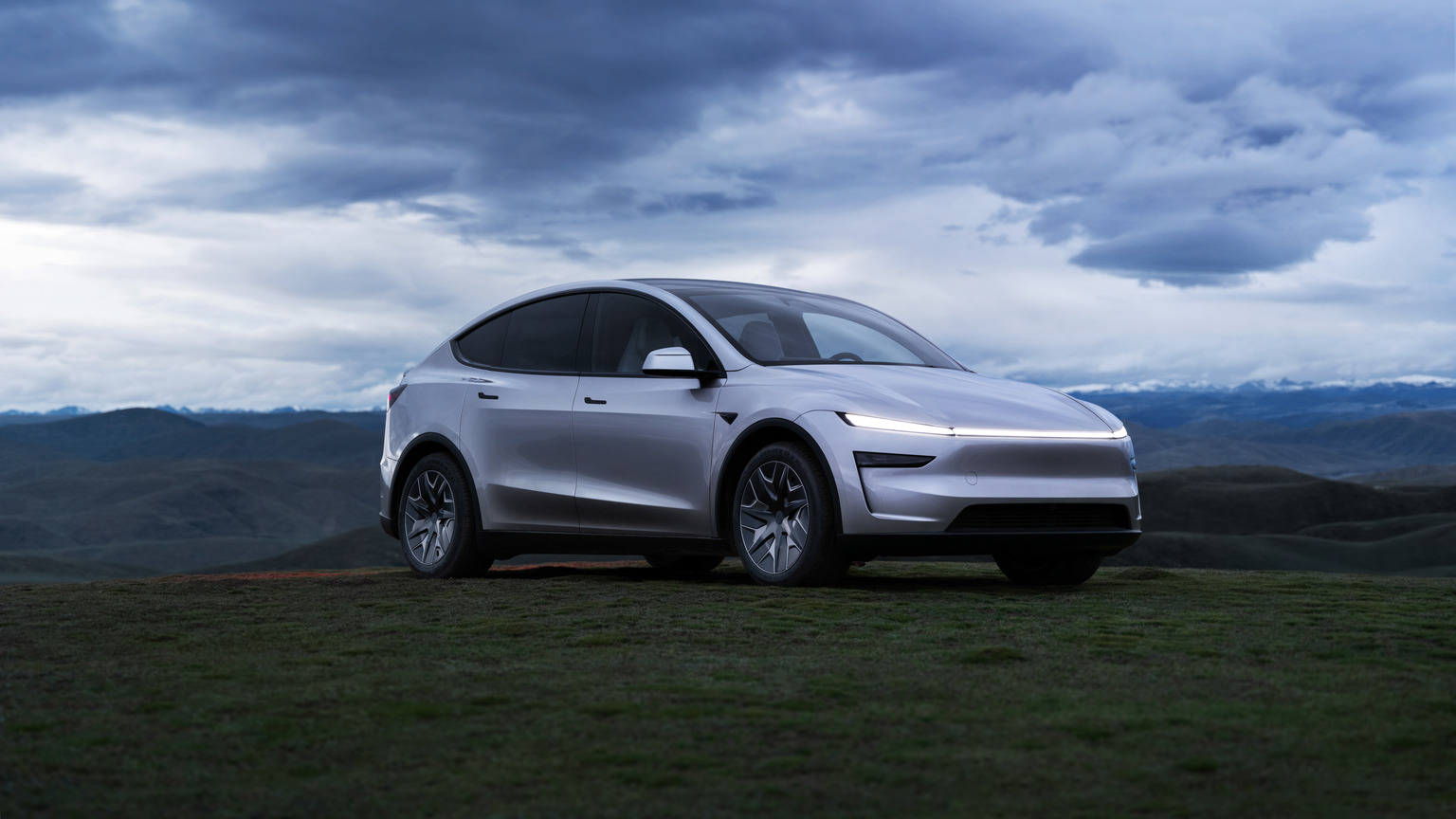
Export economics depend heavily on regional trade policies and logistical efficiencies. Shipping vehicles from Shanghai allows the company to supply European markets efficiently, bypassing some of the higher manufacturing overhead found in Western countries.
Corporate Restructuring Speculation and Future Strategy
Despite the financial importance of the Shanghai facility, internal corporate adjustments have sparked industry speculation about the company’s long-term operational footprint. According to a report by The Wall Street Journal, some Tesla executives have been tasked with separating Chinese and non-Chinese parts of the company. Tesla subsequently denied that any such preparations were underway.
Market watchers continue to monitor how the automaker will navigate its simultaneous reliance on Chinese manufacturing and its ambition to insulate operations from geopolitical friction.
Readers and industry observers can track further updates through official investor relations disclosures and regulatory filings released by the company. Feel free to share your thoughts or join the discussion in the comments section below.
Keep reading