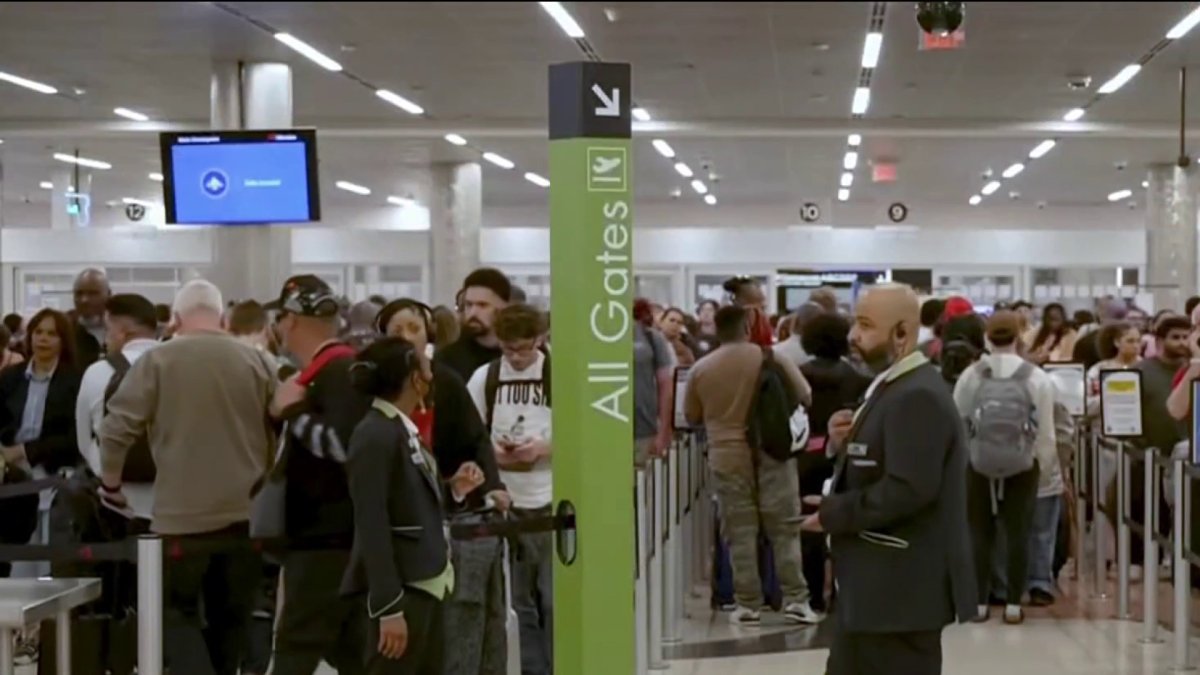
Concerns are mounting over potential disruptions to air travel as the Transportation Security Administration (TSA) grapples with rising sick calls and staffing shortages, exacerbated by the ongoing partial government shutdown. While a complete shutdown of airports remains a possibility, particularly at smaller facilities, the immediate impact is being felt through longer wait times at security checkpoints and temporary closures of screening lanes.
The situation, first highlighted by reports from travelers and local news outlets, underscores the fragility of the nation’s air travel infrastructure when faced with prolonged budgetary uncertainty and workforce challenges. The core issue revolves around TSA employees working without pay, leading to financial strain and, increased absenteeism. This is not a new phenomenon; reports indicate this is the third time in six months TSA workers have been working without compensation, creating a cycle of hardship and potential disruption.
Rising Absenteeism and Potential Airport Closures
On March 17, 2026, the national average sick call rate for TSA officers was reported at 9.88%. However, certain airports are experiencing significantly higher rates. John F. Kennedy International Airport (JFK) in New York City reported a call-out rate of 30.1%, while William P. Hobby Airport (HOU) in Houston, Texas, saw an even more dramatic surge to 40.8%. These figures, while concerning, are subject to change and require continuous monitoring.
Acting Deputy TSA Administrator Adam Stahl acknowledged the severity of the situation, stating that drastic measures, including the potential closure of smaller airports, may be necessary if call-out rates continue to climb. “We may have to quite literally shut down airports, particularly smaller ones, if call-out rates go up and officers can’t afford to come in,” Stahl reportedly said. The TSA has not yet specified which airports are at risk, but facilities like MacArthur Airport and Westchester County Airport have been mentioned as potential candidates due to their smaller size and limited staffing resources.
The impact of these staffing shortages is already visible. Philadelphia International Airport (PHL) has been forced to temporarily close checkpoints due to insufficient personnel. This leads to longer wait times for passengers and increased congestion at remaining screening lanes. Travelers are responding by arriving at airports hours earlier than usual, hoping to mitigate the risk of missing their flights. Gina Lauricella, a traveler from Fairfield, Connecticut, described her experience, stating, “We were a little worried, so we left super early. We have pre-check, so we should be okay.”
The Impact of the Government Shutdown on TSA Personnel
The current disruptions are directly linked to the ongoing partial government shutdown, which has left thousands of federal employees, including TSA officers, working without pay. This financial strain is a significant factor contributing to the increased sick calls. According to the Department of Homeland Security, 366 TSA workers have already resigned since the shutdown began, and officials fear further attrition if the situation persists. The loss of experienced personnel exacerbates the staffing challenges and increases the risk of operational disruptions.
The financial hardship faced by TSA employees is resonating with travelers. Tammy Burged, a traveler from Dallas, Texas, expressed her sympathy, stating, “I’m really sad that people have to go without pay. I don’t believe that’s right and they’re caught in the middle of politics, and I don’t like it. They should be paid.” This sentiment reflects a growing public awareness of the human cost of the government shutdown and the impact on essential services.
Navigating Airport Security During Disruptions
For travelers, navigating airport security during this period requires patience, and preparation. The TSA recommends arriving at the airport well in advance of your scheduled departure time, particularly during peak travel periods. Utilizing TSA PreCheck, if eligible, can significantly reduce wait times. According to the Houston Airport System, William P. Hobby Airport’s (HOU) main terminal security checkpoint is open from 3:45 a.m. To 11:00 p.m., while TSA PreCheck lanes operate from 3:45 a.m. To 8:45 p.m. TSA Screening Hours – Houston Airport System. Expedited screening is as well available for members of the Department of Defense, adults 75 and older, and children 12 and under.
Travelers should also be aware of the TSA’s guidelines regarding carry-on baggage. Liquids and large electronic devices, such as laptops, must be removed from carry-on bags during expedited screening. However, TSA PreCheck travelers are generally not required to remove shoes or light jackets. It’s important to note that PreCheck availability at HOU is subject to change based on traveler volume and participation rates.
Real-time TSA wait times at William P. Hobby Airport (HOU) can be found on websites like Airport Security Status. HOU TSA Wait Times (Live) – William P Hobby Airport. While these estimates are not always precise, they can provide a general indication of current conditions.
Understanding TSA PreCheck and Expedited Screening
TSA PreCheck is a risk-based, expedited screening program that allows eligible travelers to experience a faster and more efficient security process. Members of TSA PreCheck, as well as those identified through other trusted traveler programs, are eligible for expedited screening lanes. The TSA website provides detailed information about eligibility requirements and enrollment procedures.
The Broader Implications for Air Travel
The current situation highlights the broader vulnerabilities within the air travel system. Prolonged government shutdowns and understaffing can have cascading effects, leading to flight delays, cancellations, and increased stress for travelers. The potential closure of smaller airports would disproportionately impact communities that rely on these facilities for regional connectivity.
The Federal Aviation Administration (FAA) offers resources and tips to facilitate air travelers navigate heightened security measures. FAA Aviation Update. These guidelines can help streamline the travel experience and minimize potential delays.
Key Takeaways
- TSA is facing significant staffing shortages due to the ongoing government shutdown and resulting financial hardship for employees.
- Increased sick calls are leading to longer wait times at security checkpoints and temporary checkpoint closures.
- The TSA has warned that smaller airports may be forced to close if staffing levels continue to decline.
- Travelers should arrive at the airport well in advance of their scheduled departure time and utilize TSA PreCheck if eligible.
- The situation underscores the importance of resolving the government shutdown to ensure the smooth operation of essential services.
The next significant development in this situation will likely be the outcome of ongoing negotiations to end the partial government shutdown. Until a resolution is reached, travelers should remain vigilant and prepared for potential disruptions. We encourage readers to share their experiences and insights in the comments below.
Related reading