Washington D.C. – Travelers across the United States are facing increasing disruptions at airports as the Transportation Security Administration (TSA) grapples with rising sick calls and staffing shortages. The situation has prompted warnings from agency officials that smaller airports may be forced to temporarily close if the trend continues, exacerbating existing travel delays and anxieties. The core issue stems from a confluence of factors, including ongoing budgetary constraints and the impact of the recent partial government shutdown on TSA employee morale and financial stability.
The potential for airport closures comes as wait times at security checkpoints nationwide have begun to swell. While the precise cause of the increased sick calls remains debated, many point to the financial strain experienced by TSA employees during periods of furlough or delayed paychecks. The agency has confirmed that nearly 10% of its officers called out sick on Tuesday, a figure that has raised alarm bells within the Department of Homeland Security. This situation is particularly acute at major hubs like John F. Kennedy International Airport in New York, where sick-out rates reached 30.1% on March 17th, and Houston’s Hobby Airport, experiencing an even higher rate of 40.8% on the same day. Houston Chronicle reports that Hobby Airport experienced the highest rate of agent absences of any US airport.
The Impact on Travelers and Airports
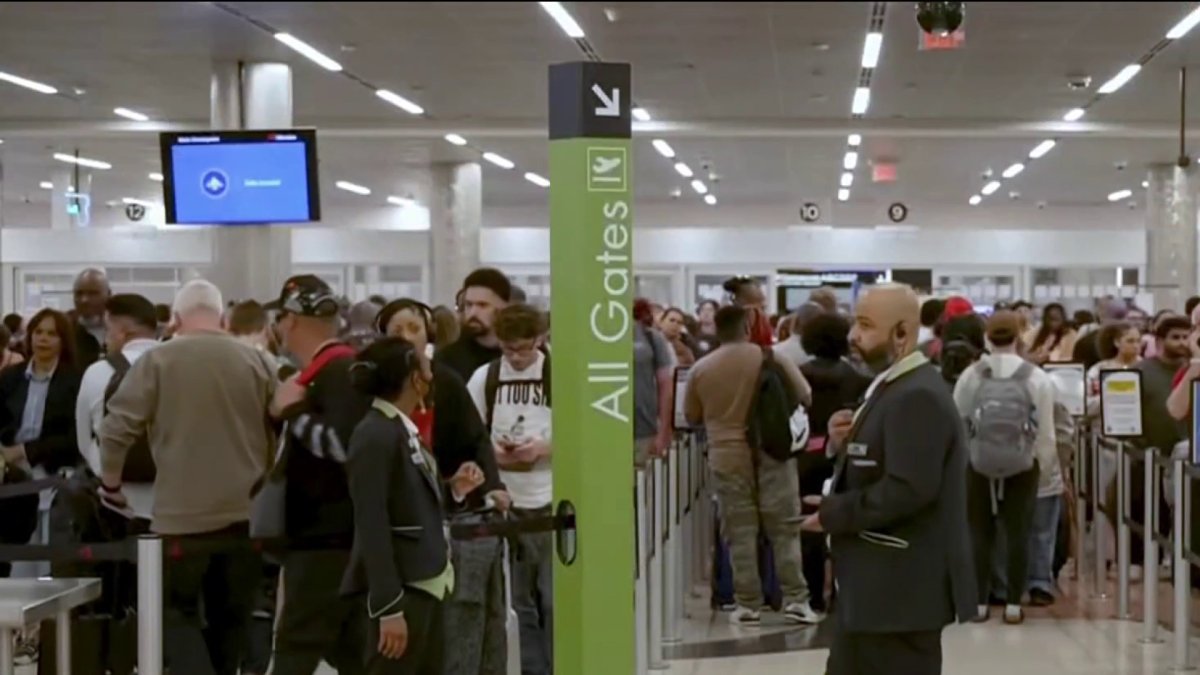
The immediate impact of the staffing shortages is being felt by travelers in the form of longer wait times. Passengers at Houston airports reported waits of 45 minutes to an hour, while those traveling through Durham and Charlotte, North Carolina, experienced comparatively smoother passage. The uncertainty has prompted many travelers to arrive at airports hours ahead of their scheduled departure times, hoping to avoid missing their flights. Gina Lauricella, a traveler from Fairfield, Connecticut, expressed her concern, stating, “We were a little worried, so we left super early. We have pre-check, so we should be okay.”
Beyond longer lines, some airports are already taking drastic measures to cope with the reduced staffing levels. Philadelphia International Airport, for example, has been forced to temporarily close certain checkpoints due to a lack of available personnel. NBC New York reports that these closures are a direct response to the ongoing staffing crisis.
Financial Strain on TSA Workers
The current situation is deeply rooted in the financial precarity faced by many TSA employees. This is the third time in the past six months that TSA workers have been forced to work without regular pay due to government shutdowns or delays. The Department of Homeland Security has reported that 366 workers have already resigned as a result of these financial hardships, and officials fear that more will follow if the situation is not resolved quickly. The potential for further resignations raises the specter of even more severe disruptions to air travel.
Adam Stahl, the acting deputy TSA Administrator, acknowledged the severity of the situation during a recent news appearance. He warned that the agency may be forced to take “drastic steps,” including the temporary closure of smaller airports, if sick-out rates continue to rise and officers are unable to afford to come to work. While the TSA has not yet identified specific airports that could be affected, several smaller facilities, such as MacArthur Airport and Westchester Airport, are being closely monitored. The agency is actively assessing the potential impact of further staffing reductions on airport operations and safety.
The Broader Context: Government Shutdown and Employee Concerns
The current crisis at the TSA is inextricably linked to the ongoing political stalemate in Washington D.C. The partial government shutdown, which began earlier this month, has left thousands of federal employees without pay, creating significant financial hardship for many families. TSA employees, who are considered essential personnel, have been required to work without pay during the shutdown, adding to their financial strain and contributing to the rising sick-out rates.
The situation has sparked widespread criticism from labor unions and advocacy groups, who argue that the government has a responsibility to ensure that its employees are fairly compensated and able to meet their basic needs. Tammy Burged, a traveler from Dallas, Texas, voiced her frustration, stating, “I’m really sad that people have to go without pay. I don’t suppose that’s right and they’re caught in the middle of politics, and I don’t like it. They should be paid.” This sentiment reflects a growing public concern over the impact of the government shutdown on essential services and the well-being of federal workers.
Potential Solutions and Future Outlook
Addressing the current crisis will require a multifaceted approach. A swift resolution to the government shutdown is paramount, as it would provide immediate financial relief to TSA employees and alleviate the pressure on the agency’s staffing levels. In the longer term, policymakers may need to consider measures to improve the financial stability of TSA employees, such as increasing pay rates or providing additional benefits.
The TSA is also exploring options to mitigate the impact of staffing shortages, such as streamlining security procedures and deploying additional personnel to affected airports. Although, these measures are unlikely to be sufficient if the underlying issues of financial strain and low morale are not addressed. The agency is closely monitoring the situation and will continue to adjust its operations as needed to ensure the safety and security of travelers. The potential for widespread disruptions to air travel remains high, and passengers are advised to check with their airlines for the latest updates on flight schedules and security wait times.
The next key development to watch is the ongoing negotiations in Congress regarding the budget and the government shutdown. A vote on a funding bill is expected next week, and the outcome will have a significant impact on the future of the TSA and the stability of air travel. Travelers are encouraged to stay informed and to plan accordingly as the situation evolves.
Do you have concerns about airport security or the impact of the government shutdown on travel? Share your thoughts in the comments below.
Keep reading