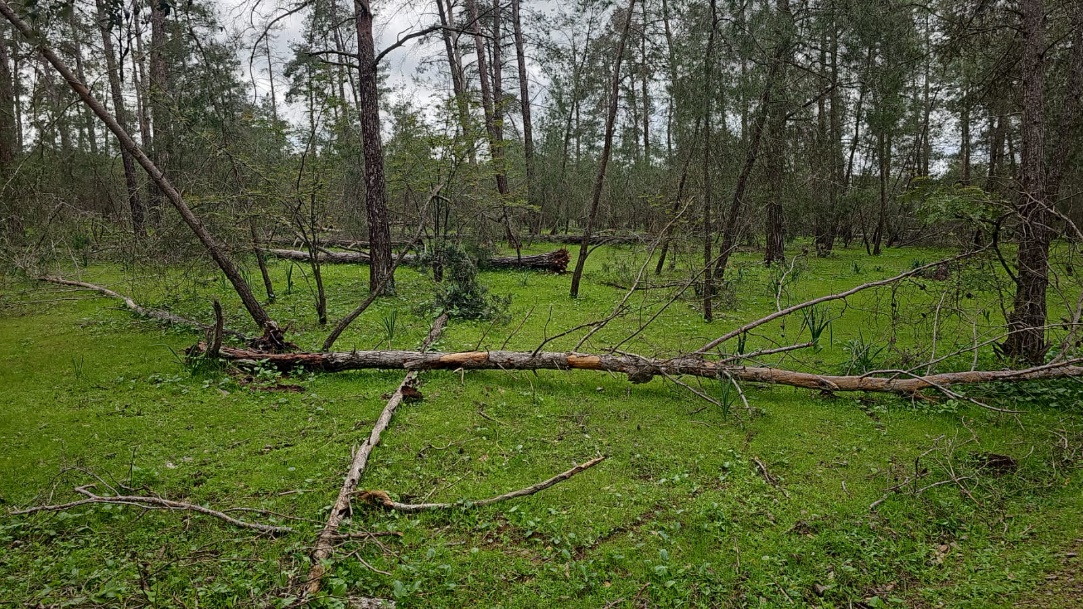
Rabat, Morocco – Following severe storms that swept across Morocco in early February 2026, the Maâmora Forest, the largest cork oak forest in the Kingdom, is undergoing extensive cleanup and safety operations. Hundreds of trees have been uprooted or damaged across multiple provinces, including Kénitra, Sidi Slimane, Sidi Kacem, Khémisset, and Rabat, prompting a response from the National Agency for Water and Forests (ANEF). The agency is working to reassure the public that these activities are not planned logging operations, but rather essential measures to secure forest pathways and mitigate potential hazards.
The Maâmora Forest, a vital ecological asset for Morocco, plays a crucial role in biodiversity and watershed management. The recent extreme weather events have underscored the forest’s vulnerability and the importance of proactive forest management. The damage extends beyond simply fallen trees; the disruption poses risks to access for local communities and could potentially lead to the spread of plant diseases. The ANEF’s swift response aims to address these immediate concerns and prevent further ecological damage. The forest’s unique ecosystem, characterized by its cork oak trees and associated flora and fauna, is a significant contributor to Morocco’s natural heritage.
Damage Assessment and Cleanup Efforts
Initial assessments indicate substantial damage across the affected provinces. According to ANEF reports, 594 trees were uprooted or damaged in the Rabat province alone, with a further 520 trees affected in the Kénitra province. Damage assessments are ongoing in the surrounding provinces to determine the full extent of the impact. The cleanup operations are focused on removing fallen trees from forest tracks, a critical step in ensuring safe access for forest users and preventing the spread of phytosanitary risks. These risks include the potential for fungal infections and insect infestations that could further compromise the health of the remaining forest.
The ANEF has emphasized that the current operations are standard practice following extreme weather events, designed to restore forest functionality and minimize long-term ecological consequences. The agency’s statement clarifies that no planned logging or forest clearing is underway, addressing concerns raised by some members of the public. The focus remains on securing the forest and preventing further deterioration of the ecosystem. The agency’s commitment to transparency is evident in its willingness to provide updates on the forest’s condition and the progress of the cleanup efforts.
The Importance of the Maâmora Forest
The Maâmora Forest is not merely a collection of trees; it’s a complex and interconnected ecosystem that provides a range of essential services. Cork oak forests, like the Maâmora, are renowned for their biodiversity, supporting a wide variety of plant and animal species. The forest also plays a vital role in regulating water resources, preventing soil erosion, and sequestering carbon dioxide, contributing to climate change mitigation. The sustainable management of the Maâmora Forest is therefore crucial for both ecological and economic reasons. The forest provides livelihoods for local communities through cork harvesting and other forest-based activities.
Cork oak forests are particularly significant in the Mediterranean region, where they represent a unique and valuable ecosystem. The cork harvested from these trees is a renewable resource used in a variety of products, from wine stoppers to insulation materials. The Maâmora Forest is a significant contributor to Morocco’s cork production, supporting a local industry and providing economic benefits to the region. The forest’s ecological integrity is essential for maintaining the long-term sustainability of this valuable resource. The ANEF’s commitment to scientific and sustainable forest management is vital for ensuring the continued health and productivity of the Maâmora Forest.

Broader Environmental Challenges in Morocco
The damage to the Maâmora Forest comes amidst a broader context of environmental challenges facing Morocco. The country is increasingly vulnerable to the impacts of climate change, including more frequent and intense droughts, heatwaves, and extreme weather events. These changes are putting pressure on Morocco’s natural resources, including its forests, water supplies, and agricultural lands. In the Ifrane region, for example, unusually heavy snowfall and subsequent flooding of the Oued Tizguite river in early 2026 caused significant damage, necessitating a large-scale cleanup operation that began on March 18, 2026, involving local authorities, the ANEF, and civil society organizations. Oujda City News reported on the extensive efforts to clear debris from the riverbed and restore the Val d’Ifrane site.
The Moroccan government has implemented a number of initiatives to address these challenges, including investments in renewable energy, water conservation, and sustainable agriculture. The National Forest Strategy aims to promote sustainable forest management and increase forest cover across the country. However, more needs to be done to build resilience to climate change and protect Morocco’s valuable natural resources. The ANEF’s work in the Maâmora Forest is a critical part of these broader efforts, demonstrating a commitment to proactive forest management and ecological conservation. The long-term health of Morocco’s ecosystems will depend on continued investment in sustainable practices and a collaborative approach involving government, local communities, and civil society.

Key Takeaways
- The Maâmora Forest, Morocco’s largest cork oak forest, sustained significant damage from storms in February 2026.
- The ANEF is conducting cleanup operations to remove fallen trees and ensure forest safety, emphasizing these are not planned logging activities.
- The Maâmora Forest is a vital ecological asset, providing biodiversity, watershed management, and economic benefits.
- Morocco faces broader environmental challenges related to climate change, requiring sustainable resource management strategies.
The ANEF continues to monitor the situation in the Maâmora Forest and will provide further updates as the cleanup and assessment efforts progress. The agency encourages the public to report any concerns or observations regarding the forest’s condition. As Morocco navigates the challenges of a changing climate, the preservation of its natural heritage, including forests like the Maâmora, will be paramount. We will continue to follow this story and provide updates as they become available.
Do you have information about the impact of the storms on the Maâmora Forest? Share your thoughts and experiences in the comments below.