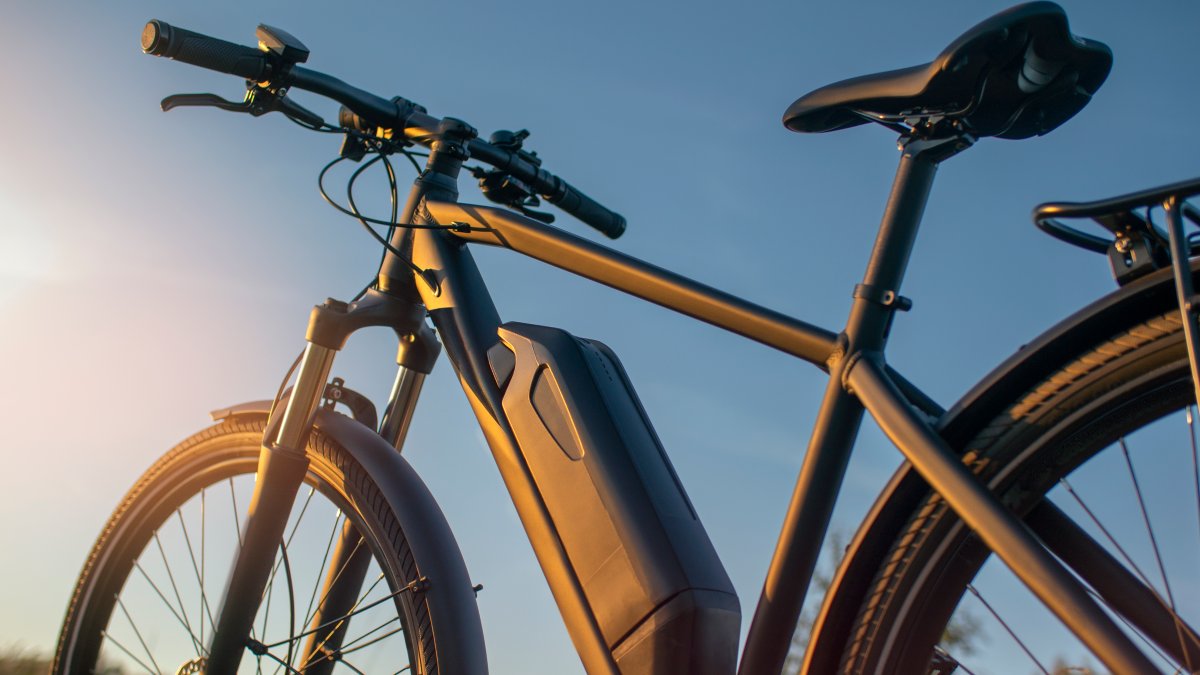
Electric bicycle (e-bike) injuries have risen exponentially across California, according to researchers at UC San Diego, with incidents climbing from two reported cases in 2018 to 1,506 by 2024. The data, derived from the California Highway Patrol’s Statewide Integrated Traffic Records System, highlights a significant shift in trauma patterns, as e-bike accidents involve higher speeds and heavier vehicles than traditional bicycles, often resulting in more severe injuries for younger riders.
The study, which analyzed 4,035 e-bike collisions alongside 58,332 incidents involving traditional bicycles over the six-year period, found that injuries are increasingly frequent in affluent communities. Researchers noted that the crash forces generated by e-bikes are often more comparable to those of motorcycles, requiring a shift in how families and policymakers approach road safety and, specifically, the protection of minors.
The Impact of E-bike Adoption on Youth Safety
The surge in e-bike popularity has outpaced existing safety infrastructure and education, according to Dr. John Austin, a general surgery resident and research fellow at the UCSD School of Medicine. Dr. Austin, the study’s first author, emphasized that the disproportionate number of injured children is a primary concern. “E-bikes provide valuable transportation and recreational benefits, but their higher speeds can generate crash forces more comparable to motorcycles than traditional bicycles, leading to potentially severe injuries,” he said.
Data from 2024 underscores the scale of the issue, with county hospitals recording 865 emergency department visits and 186 hospitalizations attributed to e-bike accidents. Dr. Jay Doucet, a voluntary clinical professor of surgery at UCSD, noted that many injured riders were observed with low rates of helmet use. “Parents need to understand what they are buying for their children, and communities and policymakers need to recognize that safety infrastructure, education and policy have not kept pace with adoption,” Dr. Doucet stated.
New Regulatory Measures in San Diego
In response to the rising injury rates, the city of San Diego has implemented new local regulations set to take effect in August. These rules, which follow a 30-day period of public outreach and a subsequent 60-day warning phase, are designed to curb risky riding behaviors. Councilman Raul Campillo, who spearheaded the legislative effort, stated, “Without a doubt these regulations will save lives.”
The new municipal code includes several key mandates:
- An age restriction of 12 years for operating Class 1 and Class 2 e-bikes.
- Reinforced helmet requirements for all riders.
- Strict passenger limitations, allowing additional riders only on e-bikes specifically designed with a permanent second seat.
- A provision allowing cited individuals to complete an e-bike safety course as an alternative to a $25 fine.
Dr. Romeo Ignacio Jr., a pediatric trauma surgeon at Rady Children’s Hospital, supported the age restriction, noting that children under 12 often lack the developmental maturity to manage the speed, weight, and split-second decision-making required for e-bike operation. “Setting a minimum age of 12 is a simple, practical safeguard that helps keep our youngest riders safe while still supporting active transportation for older youth,” Dr. Ignacio said.
Understanding E-bike Classifications
Under the California vehicle code, an e-bike is defined as a bicycle equipped with fully operable pedals and an electric motor of less than 750 watts. State law categorizes these vehicles into three distinct classes, all of which are permitted on public roadways and bike paths:
- Class 1: Pedal-assist only, with the motor ceasing assistance at 20 mph.
- Class 2: Operates via pedal-assist or throttle, with the motor ceasing assistance at 20 mph.
- Class 3: Pedal-assist only, with the motor ceasing assistance at 28 mph.
While these classes are legal for street use, law enforcement officials have clarified that high-powered electric motorcycles do not fall under these definitions and are not street-legal. Dr. Sayone Thihalolipavan, a county public health officer, suggested that current injury data may even be an undercount, as some accidents involving e-bikes may be misclassified as standard bicycle crashes in official reports.
Safety Guidance for Riders
Public safety officials recommend that riders adhere to established traffic laws to mitigate the risk of collision. Key safety practices include riding in the same direction as traffic, utilizing bike lanes where available, and obeying all traffic signals. Riders are advised to avoid sidewalks and crosswalks, which are intended for pedestrians. Furthermore, helmets remain a critical requirement for all riders under 18 and for anyone operating a Class 3 e-bike.
As the city of San Diego transitions toward the enforcement of its new regulations in the coming months, residents are encouraged to stay informed via official municipal channels regarding safety training programs and updated traffic ordinances. Community feedback and participation in safety workshops are expected to remain a focus as local authorities continue to monitor the impact of these policies on public health.