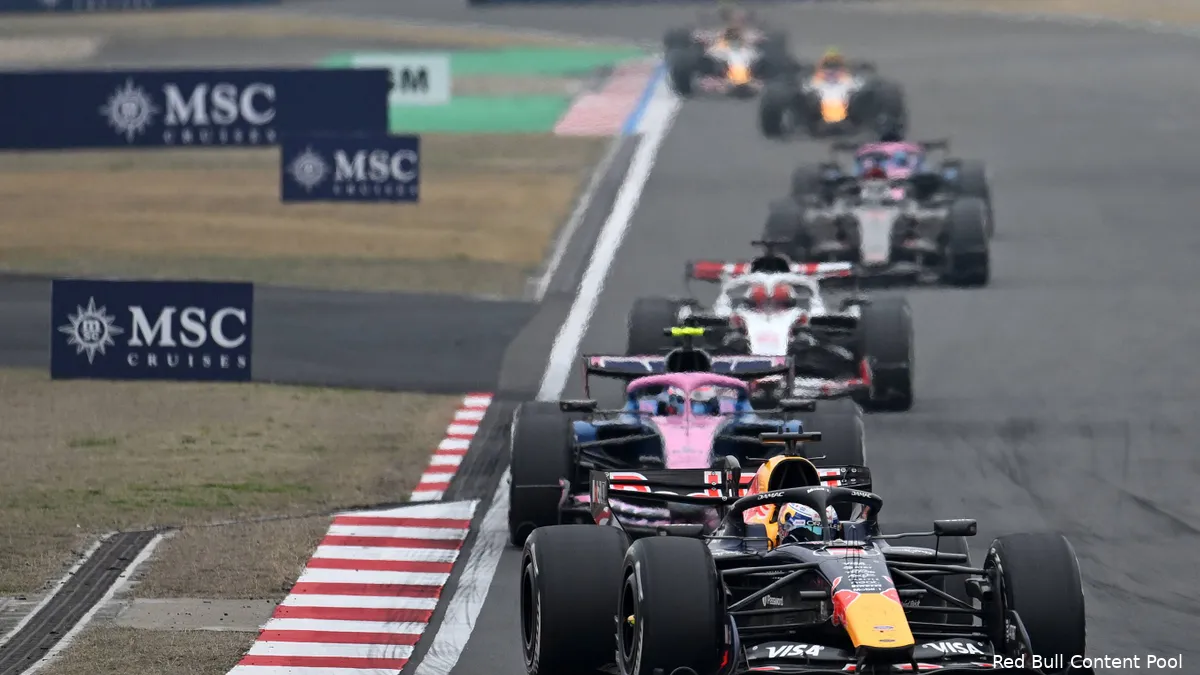
The world of Formula 1 is no stranger to family rivalries and passionate opinions, but a recent volley of criticism aimed at the sport’s new regulations has ignited a particularly intriguing dynamic. Carlos Sainz Sr., a renowned rally champion and father of Williams F1 driver Carlos Sainz Jr., has publicly voiced strong disapproval of the current rule set, a stance that puts him at odds with his son and aligns him with reigning world champion Max Verstappen. This familial disagreement underscores the growing debate surrounding the impact of the latest changes on the core principles of Formula 1 racing.
The controversy stems from the sweeping regulatory overhaul implemented for the 2022 season, and further refined for 2024 and 2025, designed to promote closer racing and reduce the dominance of individual teams. Even as intended to level the playing field, these changes have sparked considerable debate among drivers, team principals, and fans alike. The core of the issue, as articulated by Sainz Sr., centers on a perceived loss of the traditional skill and artistry inherent in overtaking maneuvers, replaced by a reliance on aerodynamic assistance and battery deployment. This shift, he argues, fundamentally alters the DNA of the sport.
A Family Divided: Sainz Sr.’s Outspoken Criticism
Carlos Sainz Sr.’s critique is particularly noteworthy given his son’s previous stance on the matter. Earlier this year, Carlos Sainz Jr. Cautioned Max Verstappen against prematurely criticizing the new regulations, suggesting that such public pronouncements could be detrimental to the sport’s image. According to reports, Sainz Jr. Believed Verstappen’s comments risked undermining the efforts to establish the new era of Formula 1. However, Sainz Sr. Has now taken a far more assertive position, echoing Verstappen’s concerns and openly calling for intervention from Liberty Media, the commercial rights holder of F1, and the Fédération Internationale de l’Automobile (FIA), the governing body of motorsport. Motorsport.com reported on Sainz Jr.’s comments regarding Verstappen’s earlier criticisms.
Speaking to Spanish publication El Confidencial, Sainz Sr. Stated, “These new rules have changed the DNA of Formula 1. And I don’t like it at all.” He further elaborated, comparing the situation to a fundamental shift in another sport, stating, “It’s as if we started playing a different way, with a different ball and a smaller goal.” This analogy highlights his belief that the essence of Formula 1 – the raw skill and strategic brilliance of the drivers – is being diluted by the complexities of the new regulations.
Sainz Sr. Specifically lamented the perceived artificiality of overtaking maneuvers, arguing that they are now more dependent on battery power than on driver skill. “It has become too easy and artificial, both in corners and on straights,” he asserted. “In Australia, I didn’t see hard braking or great maneuvers, only overtaking maneuvers that felt a bit fake. The quality and character of the Formula 1 races as we knew them were missing.” He believes that the sport should remain “simple and intuitive,” accessible to fans without requiring a deep understanding of complex aerodynamic parameters and energy management systems.
The Historical Context: A Rivalry Rekindled?
The tension between the Sainz and Verstappen families dates back to their time together at Toro Rosso in 2015. Both Carlos Sainz Jr. And Max Verstappen were rising stars in the Red Bull driver development program, competing for a coveted promotion to the senior Red Bull Racing team. The SportsRush details the competitive atmosphere between the two young drivers during their time as teammates.
Helmut Marko, a key figure within the Red Bull organization, described the atmosphere between Sainz and Verstappen as “toxic,” noting that Verstappen’s superior performance led to Sainz feeling “overlooked.” Verstappen accumulated 49 points during the 2015 season, significantly more than Sainz’s 18 points, further fueling the rivalry. While both drivers have since matured and publicly expressed mutual respect, the underlying tension appears to resurface when discussing strategic decisions and the direction of the sport.
Interestingly, Sainz Jr. Was reportedly considered by Red Bull as a potential teammate for Verstappen following Sergio Pérez’s struggles. However, concerns about the potential for renewed friction between the families ultimately led to the team pursuing other options, initially Liam Lawson and then Yuki Tsunoda. ESPN reported that Sainz himself acknowledged he didn’t understand why Red Bull didn’t pursue him, believing he and Verstappen could form a strong pairing.
The Broader Implications for Formula 1
The criticisms leveled by both Sainz Sr. And Verstappen raise fundamental questions about the future direction of Formula 1. The current regulations, while aiming for greater competitiveness, have undeniably increased the complexity of the sport. The emphasis on aerodynamic efficiency and energy management requires a deeper understanding from both drivers and fans, potentially alienating a segment of the audience that appreciates the more visceral aspects of racing.
The debate as well highlights the delicate balance between technological innovation and the preservation of traditional racing values. While advancements in engineering and aerodynamics are essential for pushing the boundaries of performance, it’s crucial to ensure that these advancements don’t overshadow the fundamental skills of the drivers. The ability to execute precise maneuvers, develop split-second decisions, and manage tire wear remains paramount, and the regulations should strive to reward these qualities.
The Role of Liberty Media and the FIA
Sainz Sr.’s call for intervention from Liberty Media and the FIA underscores the growing pressure on the sport’s governing bodies to address these concerns. The FIA, led by President Mohammed ben Sulayem, is responsible for ensuring the safety and fairness of the sport, as well as promoting its long-term sustainability. Liberty Media, as the commercial rights holder, has a vested interest in maximizing the sport’s appeal to a global audience.
Finding a solution that satisfies all stakeholders will be a significant challenge. Any further regulatory changes could disrupt the competitive landscape and potentially exacerbate existing tensions. However, ignoring the concerns of experienced figures like Sainz Sr. And Verstappen could risk alienating fans and undermining the long-term health of Formula 1. The FIA is currently evaluating data from the first few races of the 2026 season to assess the impact of the regulations and identify areas for potential improvement. A technical working group is expected to present its findings to the FIA World Motor Sport Council in July 2026.
The ongoing debate surrounding the Formula 1 regulations serves as a reminder that the sport is constantly evolving. Balancing innovation with tradition, and ensuring a fair and exciting spectacle for fans, will be crucial for maintaining its position as the pinnacle of motorsport. The differing opinions within the paddock, even within the same family, demonstrate the complexity of this challenge and the necessitate for open dialogue and careful consideration.
As the 2026 season progresses, all eyes will be on Liberty Media and the FIA to see how they respond to the growing chorus of criticism. The next key date for potential regulatory adjustments is the FIA World Motor Sport Council meeting in July 2026, where the technical working group’s findings will be presented. We encourage readers to share their thoughts on the current regulations and the future of Formula 1 in the comments below.
Worth a look