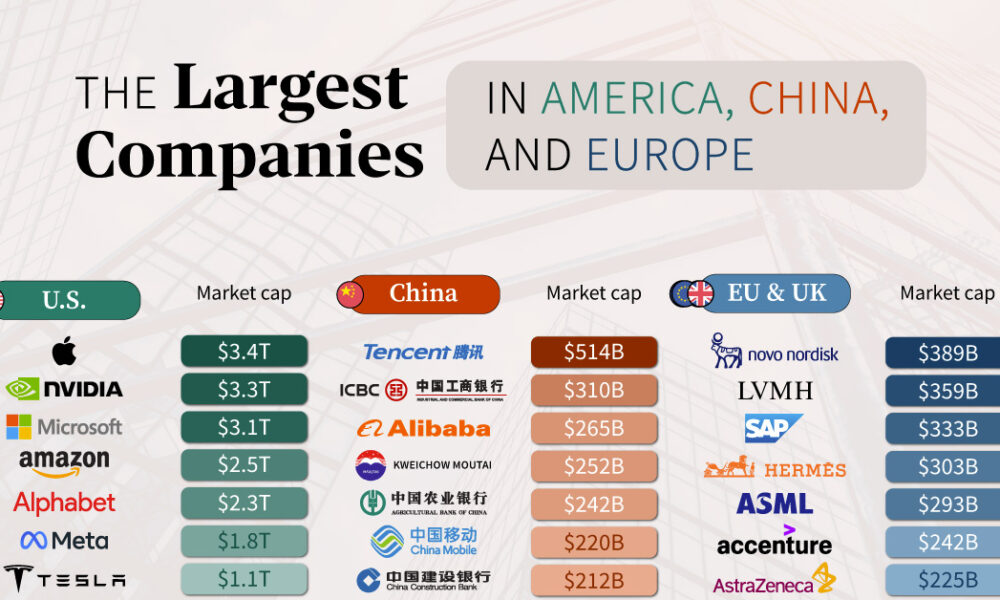
San Francisco, CA – SpaceX, the aerospace manufacturer and space transportation services company founded by Elon Musk, is reportedly pushing for an initial public offering (IPO) as early as June, aiming for a valuation of $2 trillion. This potential listing would position SpaceX as the sixth-largest company globally, trailing only Apple, Alphabet, Microsoft, and Amazon. The move signals a significant step in the company’s evolution, transitioning from a privately held venture to a publicly traded entity.
The ambitious valuation reflects the growing demand for space-related technologies and SpaceX’s dominance in the launch services market. The company has revolutionized space travel with reusable rockets, significantly reducing the cost of access to space. This innovation has not only benefited government contracts, like those with NASA, but has also opened doors for commercial ventures, including SpaceX’s Starlink internet service. The potential IPO comes as the company continues to expand its Starlink constellation, aiming to provide global broadband access.
Amazon’s Interest in Globalstar: A Competitive Response
The timing of SpaceX’s IPO push coincides with reports of Amazon’s interest in acquiring Globalstar, a satellite communications company. According to the Financial Times, Amazon is in talks to purchase Globalstar for approximately $9 billion. This acquisition would be a strategic move for Amazon, accelerating its efforts to compete directly with SpaceX’s Starlink.
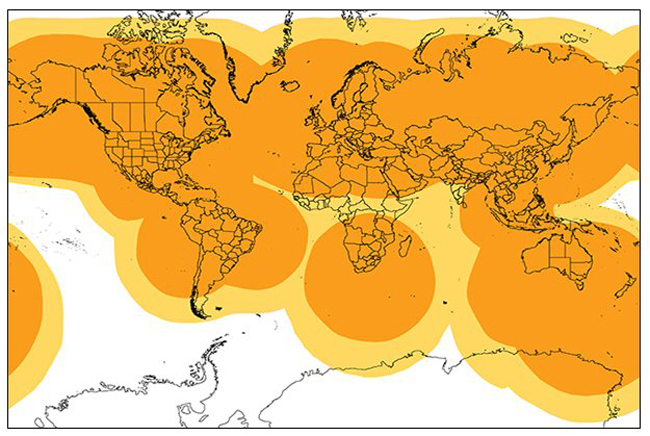
Fierce Network also reported on the potential Amazon-Globalstar deal, noting that shares in Globalstar rose more than 8% following the initial reports. The acquisition is complicated by Apple’s existing ownership stake in Globalstar and its involvement in C-3 funding, adding another layer of complexity to the negotiations. TechRepublic further detailed the potential deal, emphasizing Amazon’s desire to establish a robust satellite internet service to rival Starlink. The $9 billion price tag underscores the growing value of satellite infrastructure in the race for global connectivity.
SpaceX’s Growth and Starlink’s Impact
SpaceX has become a pivotal player in the space industry, achieving milestones previously considered unattainable. The development of reusable rockets, particularly the Falcon 9, has dramatically lowered launch costs, making space exploration and commercialization more accessible. This has allowed SpaceX to secure numerous contracts with NASA, including missions to the International Space Station and the development of lunar landers.
However, Starlink, SpaceX’s satellite internet constellation, represents a significant portion of the company’s future growth potential. Starlink aims to provide high-speed, low-latency internet access to underserved areas around the globe. The service has already gained traction in rural and remote locations, offering a viable alternative to traditional internet providers. The expansion of the Starlink constellation, however, has also raised concerns about light pollution and the potential for space debris. SpaceX is actively working on mitigating these concerns through technological advancements and responsible satellite deployment practices.
The Competitive Landscape: Amazon, Apple, and the Space Race
The potential acquisition of Globalstar by Amazon highlights the intensifying competition in the satellite internet market. Amazon’s entry into this space would create a formidable rivalry with SpaceX, potentially driving innovation and lowering prices for consumers. Apple’s existing investment in Globalstar further complicates the landscape, suggesting a broader strategic interest in satellite communications.
The involvement of these tech giants underscores the growing recognition of the strategic importance of space-based infrastructure. Satellite internet is no longer simply a niche market; it is becoming a critical component of global communications and connectivity. The race to dominate this market is likely to accelerate in the coming years, with significant implications for consumers, businesses, and governments worldwide. The competition extends beyond internet services, encompassing satellite-based Earth observation, navigation, and defense applications.
Challenges and Considerations for SpaceX’s IPO
While a $2 trillion valuation would be impressive, SpaceX faces several challenges as it prepares for its IPO. The company’s reliance on a relatively small number of key personnel, particularly Elon Musk, poses a risk. Musk’s involvement in other ventures, such as Tesla and X (formerly Twitter), could potentially divert attention and resources from SpaceX.
the space industry is inherently risky and capital-intensive. Launch failures, technical difficulties, and regulatory hurdles could all impact SpaceX’s financial performance. The company will need to demonstrate a consistent track record of profitability and sustainable growth to justify its ambitious valuation. Investors will also scrutinize SpaceX’s plans for future expansion, including its ambitious goals for Mars colonization.
Looking Ahead: The Future of Space Exploration and Connectivity
The anticipated IPO of SpaceX and Amazon’s potential acquisition of Globalstar represent pivotal moments in the evolution of the space industry. These developments signal a shift towards greater commercialization and competition, driving innovation and expanding access to space-based technologies. The future of space exploration and connectivity is likely to be shaped by the interplay between these tech giants, as they vie for dominance in this rapidly evolving market.
The next key checkpoint for SpaceX will be the official announcement of its IPO date and the filing of its S-1 registration statement with the Securities and Exchange Commission (SEC). This filing will provide detailed information about the company’s financials, business operations, and future plans. Investors and industry observers will be closely watching these developments as SpaceX prepares to embark on its journey as a publicly traded company.
What are your thoughts on SpaceX’s potential IPO and Amazon’s interest in Globalstar? Share your comments below and let us know how you think these developments will impact the future of space exploration and connectivity.