
As the United States deepens its military involvement in the Middle East, a growing tension has emerged between the administration’s foreign policy ambitions and the stability of the domestic social safety net. Questions are now mounting over whether federal funding for Medicaid and childcare is being deprioritized to sustain the escalating conflict with Iran.
The debate intensified following a series of events this week, including a national address on April 1, 2026, where President Donald Trump sought to justify the ongoing military operations. While the administration has previously maintained that the “America First” mission could withstand the financial pressures of war, recent reports suggest a shift in the White House’s confidence regarding its ability to maintain both overseas strikes and internal social obligations.
For millions of American families, the stakes are high. With inflation and international tariffs already impacting household budgets, any reduction in federal support for healthcare and early childhood education could exacerbate an existing economic crisis. This tension is further complicated by the administration’s aggressive stance on rooting out federal fraud, which has already led to the freezing of funds in several states.
The Cost of Conflict: From the Strait of Hormuz to the Treasury
On Wednesday, April 1, 2026, President Trump delivered a primetime national address from the White House, accompanied by key cabinet members including Vice President JD Vance, Secretary of State Marco Rubio, Secretary of Defense Pete Hegseth, and Treasury Secretary Scott Bessent via The Independent. During the speech, the president claimed that the joint U.S.-Israeli campaign had achieved “swift, decisive, overwhelming victories on the battlefield.”
Despite the claims of victory, the address offered few details on a definitive exit strategy. President Trump stated that U.S. Forces are “on track to complete” their mission soon and that core strategic objectives are nearing completion, though he vowed that heavy strikes would continue via AP News. Addressing concerns over rising gasoline prices, the president told the nation that Americans “don’t need” the Strait of Hormuz, suggesting that other countries who rely on the waterway “must grab it and cherish it” via AP News.
The military operation, which includes the authorization of Operation Midnight Hammer to target Iranian nuclear facilities, represents a significant financial commitment via The White House. While the administration emphasizes national security, critics have begun to contrast these expenditures with the funding required for domestic services.
Allegations of Social Service Cuts
Reports have emerged regarding a private Easter luncheon held at the White House on April 1, during which President Trump allegedly told guests that it is “not possible” for the U.S. To simultaneously fund Medicaid, Medicare, and daycare while fighting in Iran. According to these reports, the president indicated that childcare should be the sole responsibility of the states, stating, “We’re fighting wars. We can’t take care of daycare.”
Further claims suggest that the president instructed Russell Vought, the Director of the Office of Management and Budget, to halt the disbursement of funds for daycare. While these remarks were reportedly captured in a clip posted to the official White House YouTube channel, the video was allegedly removed shortly after publication. The administration has not officially confirmed these specific statements as formal policy shifts.
The potential impact of such cuts is substantial. According to data from the Centers for Medicare & Medicaid Services, nearly two out of every five Americans rely on government health programs. Any significant reduction in these services would affect a vast portion of the population, particularly the elderly and low-income families.
Democratic lawmakers have been quick to respond to these allegations. California Representative Ro Khanna took to X to criticize the disparity between military spending and social support, arguing that the billions spent on the Iran operation could instead fund affordable childcare for American families.
Trump says we can pay for war in Iran but can’t afford childcare. Mr. President, the billions you wasted in Iran could pay for $10 day childcare for every American family with childcare workers paid $25 an hour
The ‘Fraud Czar’ and the War on State Grants
Parallel to the debate over war funding, the Trump administration has intensified its efforts to eliminate what it describes as systemic fraud within federal grants. On April 3, 2026, the president announced via Truth Social that Vice President JD Vance would lead a new anti-fraud task force, referring to him as the “FRAUD CZAR.”
The president stated that Vance’s focus would be “EVERYWHERE,” but would primarily target “blue states.” Trump claimed that the recovery of these funds would be so significant that it could “literally be able to balance our American Budget.”
This focus on fraud has already resulted in tangible actions. The Department of Health and Human Services has reportedly halted childcare and family assistance funds for five Democrat-led states: California, Colorado, Illinois, Minnesota, and New York. The administration has specifically accused some states of using federal grants for childcare to commit fraud, a move that critics argue is politically motivated.
Impact Summary: Domestic vs. Foreign Spending
| Category | Administrative Action/Stance | Reported Impact/Goal |
|---|---|---|
| Military | Operation Midnight Hammer; Strikes in Iran | Obliterate nuclear facilities; protect national security |
| Healthcare | Alleged Medicaid/Medicare funding concerns | Potential reductions to offset war costs |
| Childcare | Shift to state-funded models; fund freezes | Removal of federal oversight in 5 “blue” states |
| Fiscal Policy | Appointment of “Fraud Czar” (JD Vance) | Balance the federal budget via fraud recovery |
Economic Pressures and the ‘One Big Beautiful Bill’
The current anxiety over federal funding for Medicaid and childcare does not exist in a vacuum. It follows the passage of the GOP-led “One Big Beautiful Bill Act” last summer, which reportedly included cuts to Medicare and Medicaid. While the administration framed these as necessary efficiency measures to root out waste, the legislation set the stage for the current debate over the sustainability of the social safety net during wartime.
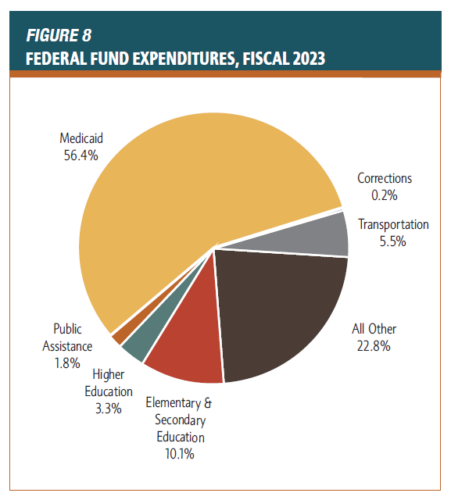
Adding to the domestic strain is the economic fallout from the conflict. The administration’s use of international tariffs and the volatility of oil prices due to the situation in the Strait of Hormuz have contributed to inflation. For many families, the cost of childcare has already climbed, with some reports indicating costs exceeding $1,000 per month per child.
The administration continues to argue that these measures are part of a broader strategy to protect the U.S. Economy and national security. By shifting the burden of social services to the states and aggressively pursuing fraud, the White House contends it can maintain its global military posture without bankrupting the federal government.
What Happens Next
The administration’s next major checkpoint will be the upcoming budgetary reviews conducted by the Office of Management and Budget. These reviews will determine if the alleged directives to halt daycare funding will be codified into official spending guidelines or if the “Fraud Czar” task force will introduce new legislative mandates for state grant compliance.
As the conflict in Iran continues and the domestic economic situation evolves, the balance between “America First” foreign policy and the preservation of the social safety net remains the central friction point of the Trump presidency.
World Today Journal encourages readers to share this report and leave their comments below regarding the impact of these potential funding shifts on their communities.