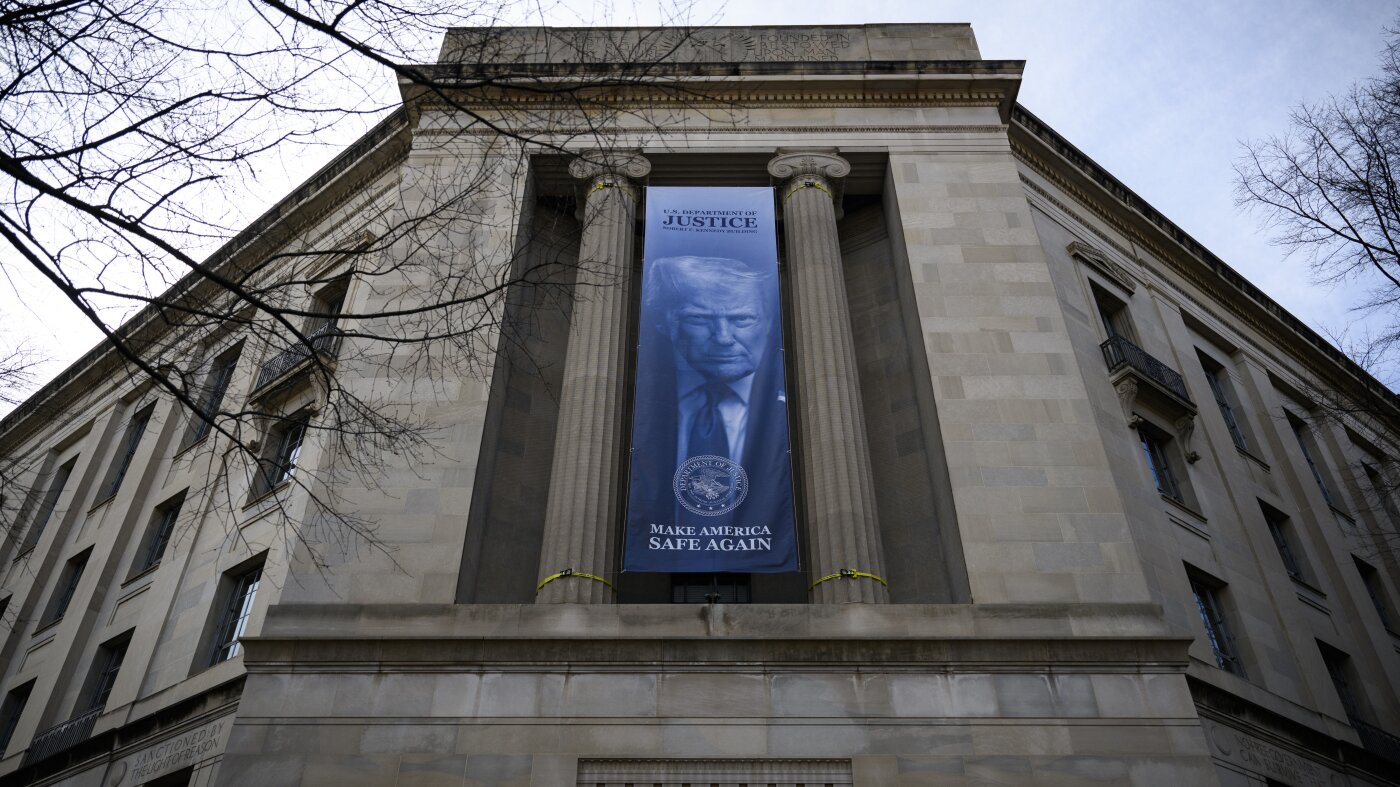
A significant rift has emerged within the U.S. Department of Justice (DOJ) as the agency moves to facilitate the transfer of state voter registration data to the Department of Homeland Security (DHS). This push for centralized data access has coincided with the resignation of a key privacy officer, raising immediate concerns regarding the legal and ethical safeguards governing the handling of sensitive citizen information.
The DOJ’s aggressive pursuit of state voter rolls has sparked a series of legal confrontations across the country. Although the federal government maintains that this data is necessary for its operations, several states—including those typically aligned with the current administration’s political leanings—have resisted these demands, citing privacy protections and the sensitive nature of voter registration lists.
This struggle over DOJ state voter data sharing highlights a growing tension between federal oversight and state-level autonomy over election data. The conflict has now moved into the federal court system, where judges are questioning the government’s justification for acquiring such extensive personal records.
Legal Confrontations and the Idaho Lawsuit
The dispute has reached a boiling point in Idaho, where the Trump administration has taken the extraordinary step of suing an election official. The lawsuit was filed to compel the official to turn over sensitive voter data that the state had previously declined to provide. The Department of Justice sued Idaho specifically over the failure to produce voter rolls, marking a sharp escalation in the federal government’s efforts to secure this information.
The Idaho case is particularly notable because it demonstrates that resistance to these data demands is not limited to “blue” states. Even in “red” states, local election officials have expressed apprehension about the security of voter registration lists and the potential for misuse once the data leaves state jurisdiction. The legal battle centers on whether the federal government has the authority to override state privacy laws to obtain these rolls.
Judicial Scrutiny in Rhode Island
Parallel to the events in Idaho, the DOJ’s tactics have come under intense scrutiny in other federal courts. In Providence, a federal judge has openly questioned the motives behind the government’s requests. During recent proceedings, a federal judge grilled DOJ lawyers regarding the specific reasons for demanding Rhode Island’s voter data.
The judge’s line of questioning focused on the lack of a clear, articulated need for the data, suggesting that the government’s justifications were insufficient to warrant the breach of voter privacy. This judicial skepticism underscores a broader legal debate: whether the government’s desire for data efficiency outweighs the individual’s right to have their voter status and personal details protected from federal aggregation.
Privacy Risks and the Resignation of Key Personnel
The internal stability of the DOJ’s privacy oversight has been shaken by the departure of a high-ranking official. Reports indicate that a key privacy officer resigned just as the agency prepared to share the acquired state voter data with the Department of Homeland Security (DHS).
The timing of this resignation is critical. Privacy officers are tasked with ensuring that government data collection adheres to the Privacy Act and other legal mandates. The departure of such an official during a sensitive data transfer suggests a potential breakdown in consensus over how this information should be handled or a disagreement regarding the legality of the transfer to DHS.
When voter registration lists—which often contain names, addresses, and party affiliations—are moved from state control to a federal security agency like DHS, the scope of surveillance and data profiling capabilities increases significantly. Critics argue that this creates a centralized database that could be used for purposes beyond the original intent of voter registration, potentially impacting millions of American citizens.
What is at Stake for Voter Privacy?
To understand why this data transfer is so contentious, it is necessary to appear at what “voter rolls” actually contain. While some information is public, many states have specific restrictions on how this data is distributed to prevent voter intimidation or commercial exploitation. The primary concerns include:
- Data Aggregation: The ability of the federal government to cross-reference voter lists with other DHS databases, creating a comprehensive profile of citizens’ political leanings.
- Security Vulnerabilities: Centralizing sensitive data from 50 different states into a single federal repository increases the risk of a massive data breach.
- Precedent: Establishing a federal mandate that can override state-level privacy protections regarding election data.
Summary of Current Legal Status
| Location | Action Taken | Key Conflict |
|---|---|---|
| Idaho | DOJ Lawsuit | Compelling the release of sensitive voter registration lists. |
| Rhode Island | Federal Court Inquiry | Judicial skepticism over the government’s justification for data demands. |
| Federal (DOJ/DHS) | Internal Resignation | Privacy officer departure amid plans to share data with DHS. |
The overarching question remains whether the Department of Justice can legally compel states to surrender this information without providing a narrow, verified national security justification. As the lawsuits progress, the courts will have to determine the balance between federal authority and the privacy of the electorate.
The next critical checkpoint in this developing story will be the upcoming court rulings in the Idaho lawsuit, which will determine if the federal government can successfully force a state official to relinquish voter rolls. Further updates are expected as the DOJ addresses the vacancy left by the resigning privacy officer and clarifies the terms of the data-sharing agreement with DHS.
We invite our readers to share their perspectives on the balance between national security and voter privacy in the comments below.
Keep reading