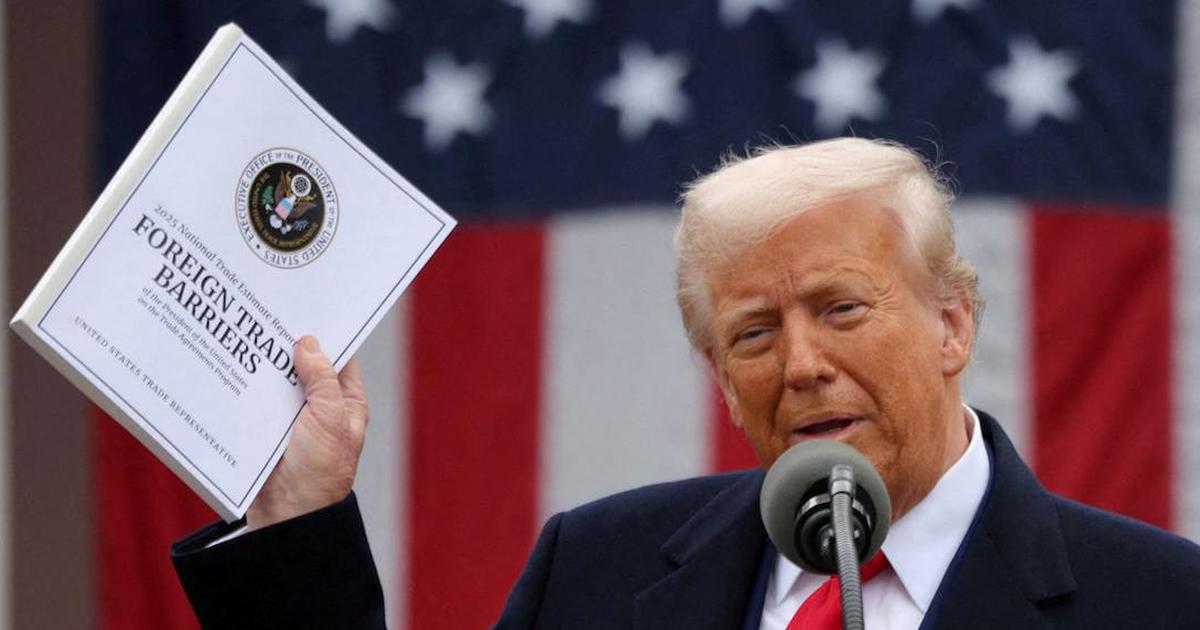
A coalition of 25 U.S. states, alongside the governors of Kentucky and Kansas, filed a federal lawsuit against the Trump administration to challenge sweeping new import tariffs. The legal challenge targets the implementation of unilateral trade levies enacted under executive authority, which state attorneys general argue exceed presidential power and threaten regional economies with sudden price spikes and retaliatory trade barriers.
The multi-state complaint marks a major escalation in the ongoing conflict between state governments and federal trade policy. Plaintiffs contend that the administration bypassed constitutional constraints by imposing broad tariffs without explicit congressional authorization. Legal filings outline potential disruptions across manufacturing supply chains, agriculture, and retail sectors in participating jurisdictions.
Trade economists and legal scholars note that the litigation revives long-standing constitutional debates regarding the separation of powers in international commerce. While Article I of the U.S. Constitution grants Congress the power to regulate foreign commerce and levy taxes, modern trade statutes have frequently delegated expansive discretionary authority to the executive branch during national emergencies or economic crises.
Constitutional Arguments and Legal Grounds
The lawsuit hinges on the argument that the administration stretched statutory authorities beyond their intended legal scope. Attorneys general representing the 25 plaintiff states argue that the tariffs function as taxes rather than routine trade adjustments, making congressional sign-off constitutionally mandatory under established precedent.
Federal defenders of the policy maintain that existing statutes—such as the Trade Expansion Act of 1962 and the International Emergency Economic Powers Act—provide sufficient latitude for the executive branch to act swiftly in defense of national economic security. Courts previously granted broad deference to presidential determinations in trade matters, creating a steep procedural hurdle for state-level challengers seeking preliminary injunctions.
Legal analysts following the docket emphasize that discovery proceedings will likely focus on whether the administration adequately substantiated claims of national security threats required to justify the specific tariff rates. Similar past challenges faced dismissal due to the wide discretion afforded to the executive branch in matters of foreign affairs and national security.
Economic Impact Across State Jurisdictions
The complaint details localized economic vulnerabilities tied directly to imported raw materials, machinery, and consumer goods. States with heavy manufacturing and export-dependent agricultural sectors warn that trading partners will implement targeted retaliatory measures, driving down export volumes for domestic grain, livestock, and industrial equipment.
Retail trade associations have similarly voiced concerns, pointing out that import duties are typically absorbed by domestic importers and consumers rather than foreign exporters. Small and medium-sized businesses face immediate margin compression as supply chains adjust to higher baseline costs for steel, aluminum, and intermediate components.
Conversely, domestic producers in protected sectors argue that the import levies provide vital breathing room against subsidized foreign competition, safeguarding local employment and manufacturing capacity against structural erosion.
Next Steps in Federal Court
The case has been assigned to a federal district court, where scheduling conferences will establish timelines for preliminary injunction motions, written briefs, and oral arguments. Observers expect the litigation to move swiftly through district and appellate courts given the high economic stakes and the likelihood of eventual Supreme Court review.
Related reading