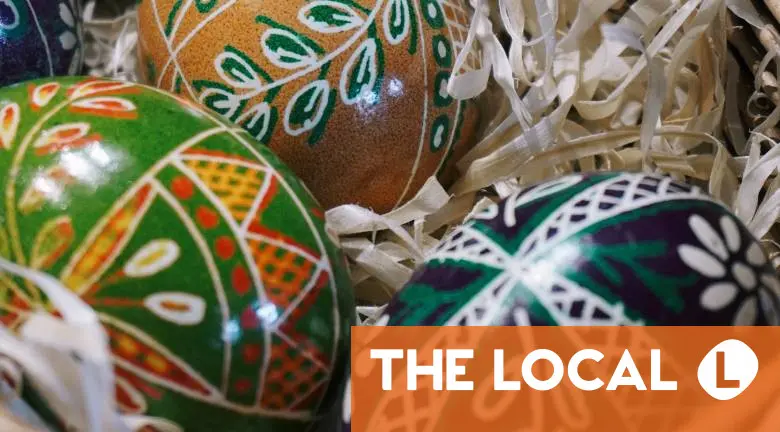
As the spring air settles over the Alps and the cities of Vienna and Salzburg prepare for a seasonal shift, millions of people across Austria are gearing up for one of the most significant pauses in the national calendar. For those visiting or living in the heart of Europe, the arrival of Easter Monday in Austria marks more than just a long weekend; it is a nationwide cessation of business and a deep dive into cultural and religious tradition.
In 2026, Easter Monday falls on April 6. As a designated national public holiday, the day triggers a widespread shutdown of the country’s professional and educational infrastructure. From the bustling government offices of the capital to the rural schools of the Tyrol region, the day is reserved for family, faith, and reflection.
For the global traveler or the international business professional, understanding the impact of this holiday is essential. It is not merely a “day off” but a manifestation of Austria’s complex identity, where deep-seated Catholic roots intersect with modern secular life. On this day, the general population is granted a break from work, and the majority of shops, offices, and public services operate on restricted holiday schedules or remain closed entirely according to timeanddate.com.
The Significance of Easter Monday in Austrian Society
To understand why Easter Monday carries such weight, one must look at the demographic and spiritual landscape of the country. Austria remains a bastion of Christian tradition, with more than 75 percent of the population identifying as Christian, the vast majority of whom are Catholic as reported by PublicHolidays.at. This high percentage of adherence ensures that the Easter period is not merely a commercial event but a lived spiritual experience for a significant portion of the citizenry.
Easter Monday serves as the culmination of a rigorous period of preparation. The journey toward this holiday begins weeks earlier with Lent, a period of prayer and fasting intended to mirror the earthly ministry and passion of Jesus. This preparation leads into Holy Week, which commences with Palm Sunday—a day marking Jesus’ entry into Jerusalem. These traditions are often reflected in local customs, where palm branches or pussy willows are used in celebrations.
The progression reaches its peak on Easter Sunday, the celebration of the resurrection. In many Austrian communities, Sunday is marked by attending mass, sharing traditional egg bakes, and gathering with family. In some regions, Sunday evenings are characterized by the lighting of bonfires, where people dance and sing, bridging the gap between the solemnity of the resurrection and the celebratory nature of the following Monday.
Practical Impact: What Happens on the Day?
For those navigating Austria on April 6, 2026, the primary experience will be one of stillness. Because it is a national holiday, the “right to rest” is strictly observed. Most businesses, including banks and government agencies, are closed. While some tourist-centric areas or specific retail outlets may have limited hours, the general rule is that schools and most professional workplaces are shut down per timeanddate.com.
This widespread closure allows families to extend their celebrations. While the religious core remains—with many attending Monday masses—there is a strong secular element to the day. Many Austrians leverage the holiday to engage in outdoor activities as spring arrives, or to continue the tradition of family feasts. The mix of the sacred and the secular is a hallmark of modern Austrian culture; even those who do not strictly observe the fasting of Lent or attend every mass typically participate in the social and familial customs of the holiday.
Key Details for Easter Monday 2026
| Detail | Information |
|---|---|
| Date | Monday, April 6, 2026 |
| Status | National Public Holiday |
| Closures | Schools, most businesses, and government offices |
| Primary Observance | Christian/Catholic resurrection celebrations |
Easter Monday Within the Broader Austrian Holiday Calendar
Easter Monday is part of a larger framework of public holidays that define the rhythm of Austrian life. The country observes several fixed-date holidays, such as Recent Year’s Day (January 1), Labour Day (May 1), and the National Day (October 26), as well as variable holidays tied to the liturgical calendar according to Wikipedia.

Other variable holidays that follow a similar pattern to Easter Monday include Ascension Day (39 days after Easter Sunday), Whit Monday (49 or 50 days after the Resurrection), and Corpus Christi (the Thursday after Trinity Sunday). These holidays collectively ensure that the Austrian workforce has several periods of mandated rest throughout the spring and summer months.
It is also worth noting that while Easter Monday is a federal holiday observed nationwide, Austria also has regional holidays. For instance, Saint Joseph’s Day is observed in Carinthia, Styria, Tyrol, and Vorarlberg, while Saint Leopold’s Day is observed in Lower Austria and Vienna according to Wikipedia. Easter Monday, however, stands as a unifying national event that transcends state borders.
Summary of Traditions and Observances
The experience of Easter Monday in Austria can be summarized by three primary pillars: faith, family, and folklore.
- Faith: For the Catholic majority, the day is a continuation of the celebration of Christ’s resurrection, often involving church services and community prayer.
- Family: The public holiday status ensures that multi-generational families can gather without the interruption of work or school, often centering around traditional meals.
- Folklore: The integration of secular symbols—such as Easter eggs and bunnies—alongside older traditions like Sunday bonfires, creates a cultural atmosphere that is uniquely Austrian.
As Austria moves toward April 2026, the observance of Easter Monday will once again serve as a reminder of the country’s ability to balance its historical religious identity with the needs of a modern, globalized society. For visitors, it is a day to leisurely down and observe the quiet beauty of a nation in reflection.
The next confirmed milestone for the Austrian public calendar following this event will be Labour Day on May 1, another nationwide public holiday.
Do you have questions about traveling to Austria during public holidays or want to share your own experiences with Austrian traditions? Let us know in the comments below.
Related reading
- US and Saudi Arabia Strike Iran-Backed Militias as Middle East Tensions Escalate
- Why the Trump Administration Manipulated Military Casualty Figures
- Greece’s Luxury Summer Getaways Under Pressure: Water Scarcity Hits Holiday Islands (archynewsy.com)
- SerpApi Accuses Reddit and Google of Restricting Access to Public Data (archyworldys.com)