The integration of artificial intelligence into clinical practice and pharmaceutical research is currently at a critical crossroads. Although the potential for breakthrough discoveries is immense, a growing narrative suggests that AI may be an unreliable or even dangerous force in AI in medicine and drug development. This skepticism is not unfounded, as the medical community grapples with the tension between rapid technological advancement and the uncompromising necessity of patient safety.
The resistance to AI adoption across various health care systems is largely fueled by high-profile failures. Among the most concerning are “hallucinations”—instances where AI generates confident but entirely false or misleading information—and opaque decision-making processes. In a field where transparency and evidence-based reasoning are the gold standards, the “black box” nature of some AI tools creates a significant barrier to trust.
However, a deeper analysis suggests that this backlash may not be a reflection of an inherent flaw in the technology itself. Instead, the real problem lies in how the industry is choosing to use these tools. The current friction represents a clash between the aggressive pace of commercial deployment and the rigorous, slow-moving validation required for scientific integrity.
The Gap Between Silicon Valley Dreams and Scientific Reality
Much of the current instability in medical AI stems from a misalignment of goals. There is often a stark divide between what can be described as “Silicon Valley dreams” and the actual scientific reality of clinical application. When the drive for rapid scaling and market disruption takes precedence over clinical validation, the result is often a tool that performs well in a controlled demo but fails in the complex, unpredictable environment of a hospital ward separating dreams from scientific reality.
For AI to be truly effective in medicine, it must move beyond the role of a generative novelty and become a validated clinical instrument. This requires a shift in focus from the capabilities of the model to the reliability of the output. When AI is deployed as a replacement for clinical judgment rather than a support tool, the risk of opaque decision-making leading to patient harm increases.
Systemic Threats to Value-Based Health Care
The challenge of implementing AI is further complicated by broader systemic issues within the healthcare economy. The shift toward value-based health care—which prioritizes patient outcomes over the volume of services provided—is currently threatened by various emerging trends. Specifically, the emergence of “IDIOT syndrome” has been identified as a factor that could undermine the goals of value-based care threats to value-based health care.
When technology is integrated into a system that is already struggling with value-based metrics, the risks of AI-driven errors are magnified. If AI is used simply to increase the speed of processing or to cut costs without a corresponding increase in quality of care, it reinforces the very failures that have led to current professional resistance. The goal of AI in medicine and drug development should be to enhance the precision of the human practitioner, not to bypass the essential checks and balances of medical expertise.
Redefining the Role of AI in Drug Development
In the realm of drug development, the stakes are equally high. The promise of AI is to slash the time and cost required to bring life-saving medications to market. However, the “real problem” remains the application. Using AI to generate hypotheses is a powerful use case; using it to bypass the rigorous empirical testing required for safety is a dangerous one problems with AI in drug development.
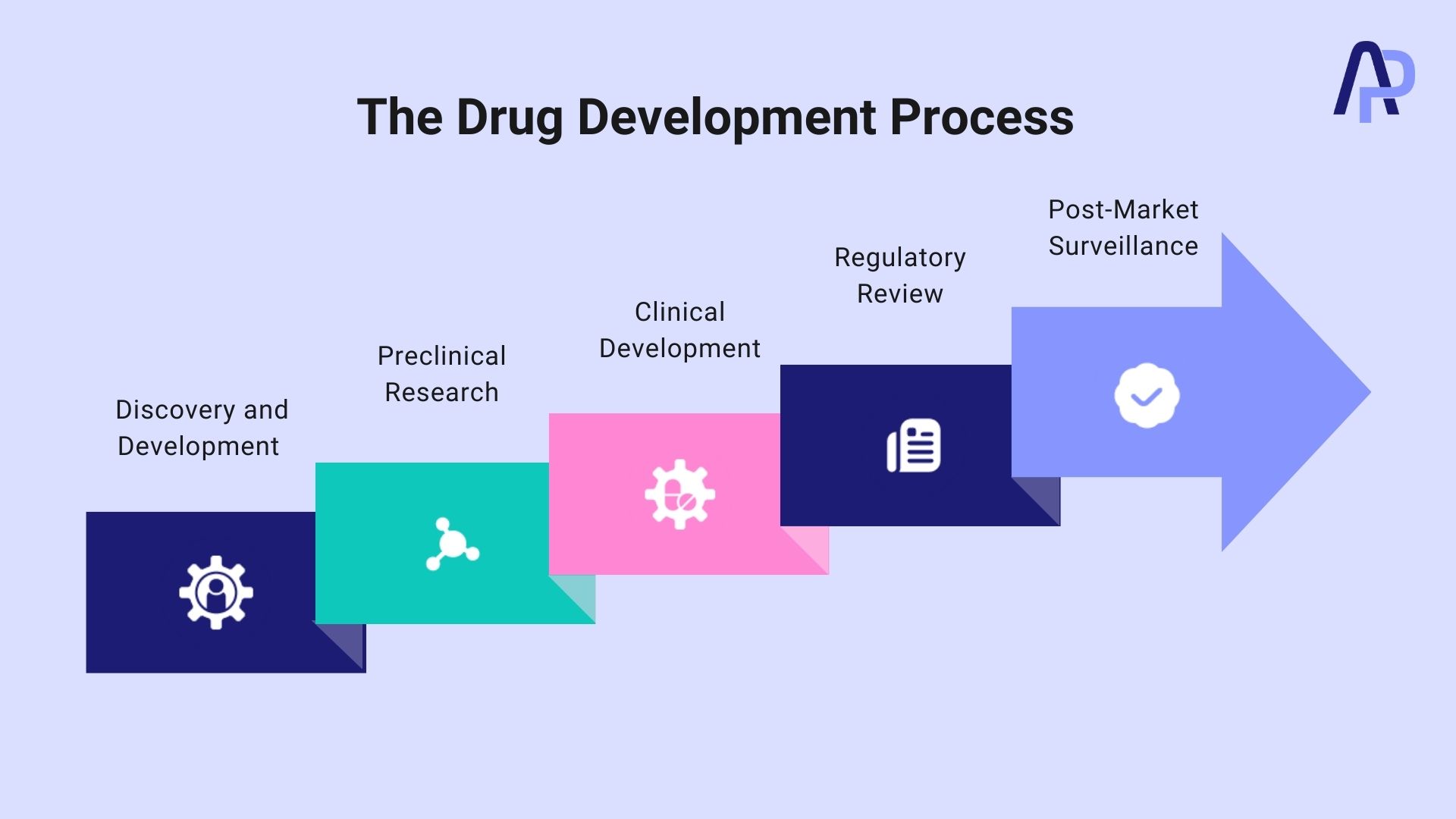
To move forward, the industry must adopt a framework of “augmented intelligence” rather than “artificial intelligence.” This means designing systems that are transparent by default and that provide a clear audit trail for every suggestion or diagnosis. By focusing on the “how” of implementation, the medical community can mitigate the risks of hallucinations and opacity, turning AI from a perceived liability into a reliable clinical asset.
Key Takeaways for Health Care Providers
- Implementation over Innovation: The failures of AI in medicine are often failures of deployment, not the technology itself.
- The Transparency Mandate: Opaque decision-making is unacceptable in clinical settings; “black box” AI must be replaced by interpretable models.
- Validation is Non-Negotiable: The gap between commercial “dreams” and scientific reality must be closed through rigorous, peer-reviewed clinical validation.
- Augmentation, Not Replacement: AI should support the clinician’s expertise to enhance value-based care rather than replacing human oversight.
As the medical community continues to evaluate these tools, the focus will remain on establishing strict guidelines for AI integration to ensure that innovation never comes at the cost of patient safety. The ongoing dialogue between technologists and clinicians will determine whether AI becomes a cornerstone of modern medicine or a cautionary tale of over-acceleration.
We welcome your thoughts on the balance between AI innovation and clinical safety. Please share this article and join the discussion in the comments below.
Worth a look