
Tensions in the Middle East have escalated sharply following a direct Iranian missile strike on the city of Haifa, Israel. The attack, which targeted northern Israel, resulted in the deaths of at least four people and caused significant damage to infrastructure in the coastal city.
The strike marks a critical escalation in the ongoing regional conflict, bringing the direct confrontation between Tehran and Jerusalem into sharper focus. Reports from the ground indicate that the missile impact led to casualties and structural destruction, prompting immediate emergency responses across the northern district.
According to reports from Reuters, four people were killed in Haifa following the Iranian missile strike. This figure is echoed by The New York Times, which confirmed that at least four individuals died in the strike in northern Israel.
Diplomatic Deadlock and the Rejection of Ceasefire
As the military situation on the ground worsens, diplomatic efforts to curb the violence appear to be stalling. Iran has reportedly rejected a ceasefire proposal, signaling a refusal to halt hostilities under current terms.
The Iranian government has insisted on a permanent end to the war rather than a temporary truce. According to updates from NBC 6 South Florida, Iran continues to demand a comprehensive and permanent cessation of conflict as a prerequisite for any agreement.
Impact on Northern Israel
The strike on Haifa has caused widespread alarm in northern Israel, where residents have been placed on high alert. The use of missiles to target urban centers represents a significant shift in the intensity of the engagement, with the impact felt not only in terms of loss of life but also through the psychological toll on the civilian population.
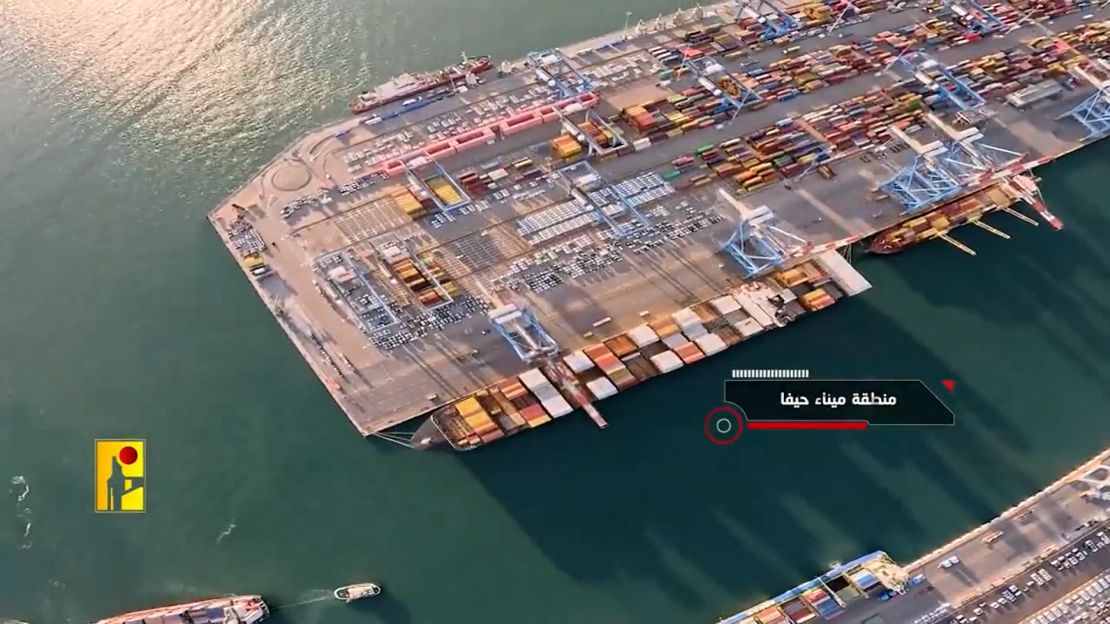
The strategic importance of Haifa as a major port city makes any strike in the area particularly volatile, as it affects both military logistics and civilian commerce. The immediate aftermath of the attack involved rescue operations to extract victims from damaged buildings and the deployment of air defense systems to prevent further incursions.
Analyzing the Geopolitical Implications
The direct targeting of Israeli territory by Iranian missiles suggests a breakdown in the previous “shadow war” that characterized the relationship between the two nations for decades. By shifting to direct strikes, the risk of a full-scale regional war has increased substantially.
For the international community, the rejection of a ceasefire by Tehran complicates the efforts of global mediators. The insistence on a “permanent end” to the war suggests that Iran is seeking a strategic realignment of the region’s security architecture rather than a simple return to the status quo.
Key Takeaways from the Escalation
- Casualties: At least four people were killed in the city of Haifa following the missile strike.
- Target Area: The attack specifically hit northern Israel, focusing on the coastal city of Haifa.
- Diplomatic Status: Iran has rejected current ceasefire proposals, insisting instead on a permanent conclusion to the war.
- Military Shift: The use of direct missile strikes on urban centers indicates a heightened level of aggression compared to previous proxy engagements.
As the situation remains fluid, the world watches to see if Israel will launch a retaliatory strike or if international pressure can force a diplomatic breakthrough. The immediate focus for residents in northern Israel remains safety and adherence to emergency protocols as the threat of further attacks persists.
The next critical checkpoint will be the official response from the Israeli government regarding the casualties in Haifa and whether any new diplomatic channels are opened to address Iran’s demands for a permanent end to the conflict.
We invite our readers to share their perspectives on this developing story in the comments below and share this report with others to stay informed on global geopolitical shifts.
- Balcon Paris: Dining with a View at Galeries Lafayette Haussmann
- Uraldronzavod CEO Vladimir Tkachuk in Critical Condition: Founder Fighting for His Life
- Russian Missile and Drone Strikes Kill at Least 14 in Kyiv Region (archyworldys.com)
- Russia Accused of War Crimes After Drone Hunts Ukrainian Civilian in ‘Safari’ Attack (world-today-news.com)