
As spring takes hold across Europe, millions of residents in France are facing a familiar and frustrating adversary: the seasonal surge of airborne allergens. For many, the arrival of warmer weather is overshadowed by the onset of respiratory distress, itchy eyes, and persistent sneezing, as the country enters the peak of its tree pollen season.
The current meteorological conditions have created a perfect storm for allergy sufferers. Recent patterns of early warmth and abundant sunshine have accelerated the dispersion of pollens, significantly increasing the risk for those sensitive to tree species. In particular, the south and west of France are seeing a sharp rise in pollen levels, driven by temperatures frequently ranging between 23°C and 26°C, which facilitate the movement of these microscopic particles through the air.
Understanding the timing and nature of these triggers is essential for managing public health. In France, the pollen calendar is well-defined, with tree pollen acting as the first wave of the season. This period is critical for individuals with sensitivities to birch, oak, ash, and beech, as these species release their pollen in vast quantities during the early spring months.
The Seasonal Cycle of Pollen Allergies in France
The trajectory of pollen allergies in France follows a predictable but grueling timeline that spans nearly the entire year. The process begins in February, marking the start of the tree pollen season. This phase typically reaches its zenith in March and April, when species such as birch and oak are most active according to seasonal trends monitored across the country.
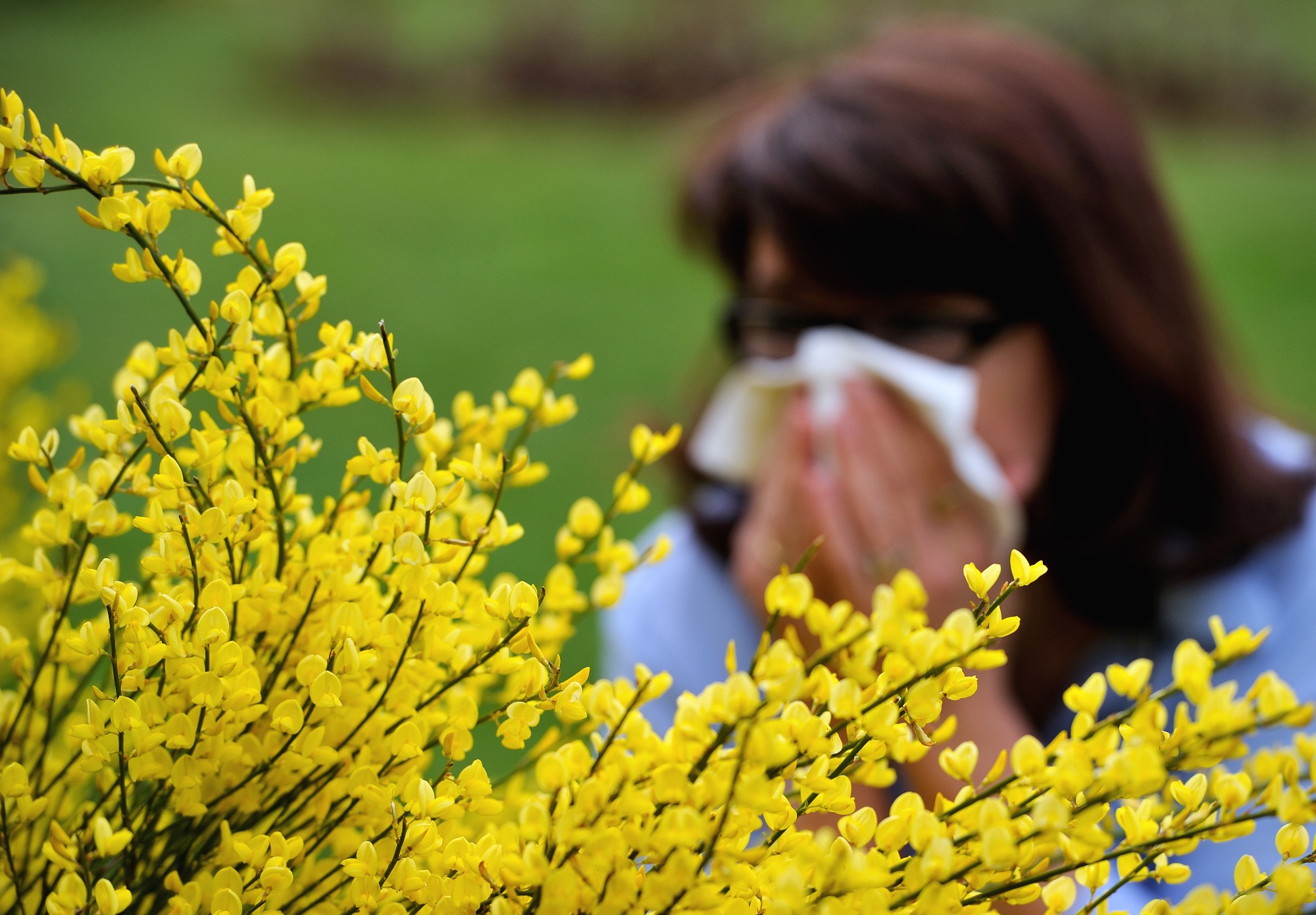
As the calendar shifts toward late spring, the primary allergen changes. The grass pollen season generally commences in May, peaking in June and continuing through July. This transition often catches unsuspecting sufferers off guard, as the type of allergen shifts from arboreal to gramineous, affecting a different subset of the population or compounding the misery for those with multiple sensitivities.
The final wave occurs in late summer and early autumn. Weed pollen, most notably from ragweed, appears during August and September. This particular allergen is known to be especially problematic in southeastern France, where the climate supports higher concentrations of these plants.
Regional Risk Factors and Environmental Influence
Not all regions in France experience the same intensity of allergy symptoms. Due to its specific climate, southeastern France tends to exhibit higher overall pollen levels compared to the north. However, the current risk is not limited to the south; early spring warmth has pushed the allergic risk further west and into various southern territories.
Weather plays a decisive role in the intensity of these episodes. Sunshine and heat act as catalysts for pollen release and dispersion. When the air is dry and warm, pollen can travel further and remain suspended longer, increasing the likelihood of inhalation. Conversely, heavy rainfall can temporarily “wash” the air, providing brief respite for allergy sufferers, though this relief is often short-lived once the sun returns as noted in regional pollen analysis bulletins.
Monitored Areas and High-Risk Zones
To help citizens navigate these peaks, various monitoring stations track pollen counts in real-time across the country. Key areas under surveillance include:
- Auvergne-Rhône-Alpes: Including Grenoble, Annecy, and Chambéry.
- Nouvelle-Aquitaine: Including Bordeaux, Biarritz, and La Rochelle.
- Occitanie: Including Montpellier, Toulouse, and Perpignan.
- Hauts-de-France and Grand Est: Including Lille, Strasbourg, and Reims.
- Île-de-France: Centered around Paris.
Mitigation and Real-Time Monitoring
For those living with seasonal allergies, the ability to track daily pollen counts can be the difference between a productive day and one spent in respiratory distress. Modern health tools now allow for city-by-city forecasts, enabling individuals to plan their outdoor activities based on current risk levels.
Solutions such as France Pollens provide integrated platforms that offer real-time data on both pollen levels and air pollution. This dual monitoring is crucial due to the fact that air pollution can exacerbate the body’s inflammatory response to pollen, making symptoms more severe for those in urban environments via the France Pollens monitoring service.
Medical professionals generally recommend several preventative measures during “red alert” periods:
- Limit outdoor exposure: Avoid going outside during peak pollen hours, typically in the early morning and evening.
- Maintain indoor air quality: Keep windows closed during high-pollen days and use air purifiers with HEPA filters.
- Personal hygiene: Showering and changing clothes after spending time outdoors can remove clinging pollen particles.
- Consultation: Seeking early medical advice to establish a treatment plan before the peak of the season.
Key Pollen Timeline in France
| Pollen Type | Start Month | Peak Period | End Month | Primary Regions Affected |
|---|---|---|---|---|
| Tree (Birch, Oak, Ash) | February | March – April | May | Nationwide |
| Grass | May | June | July | Nationwide |
| Weed (Ragweed) | August | August – September | October | Southeastern France |
As we move further into April, the risk from tree pollens remains high. Residents are encouraged to monitor their local indices and maintain a proactive approach to their respiratory health.
The next critical shift in the allergen landscape will be the transition to grass pollens, expected to begin in May. We will continue to monitor the regional bulletins for any unexpected shifts in the pollen calendar due to climate volatility.
Do you have a strategy for managing seasonal allergies? Share your experiences or questions in the comments below.
Worth a look