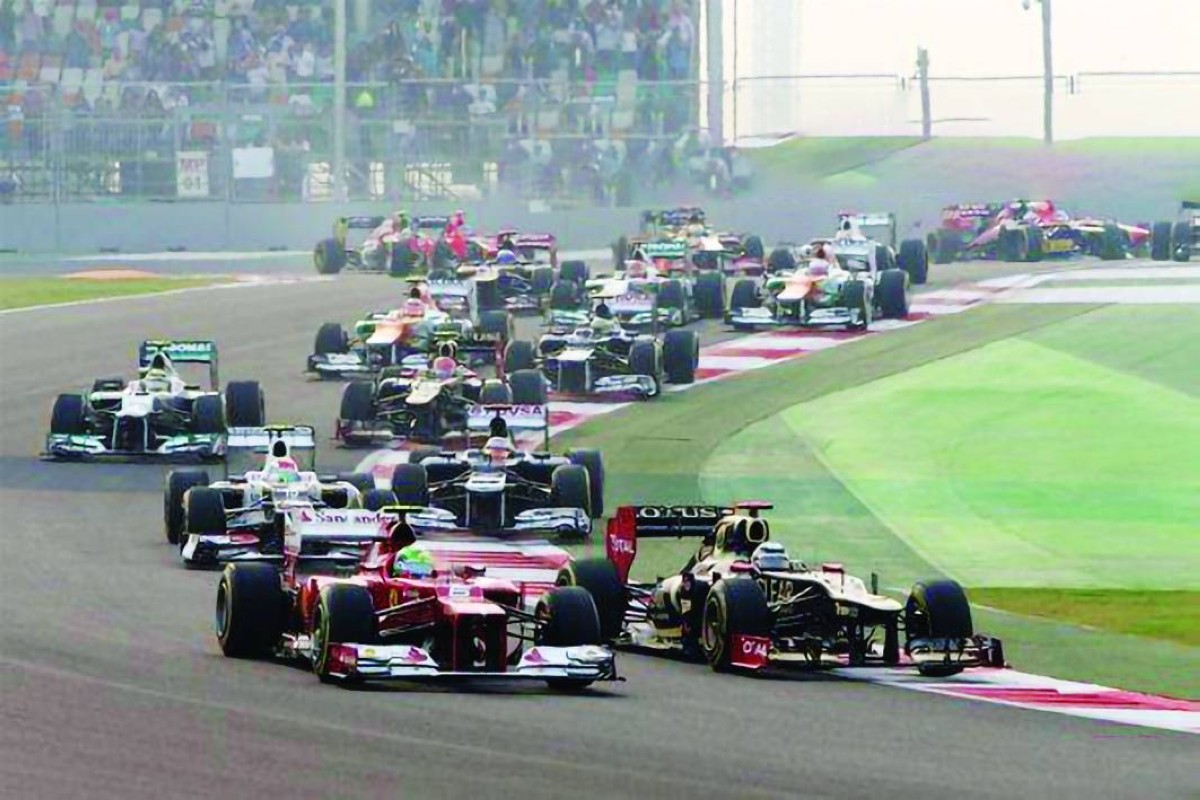
The road to returning Formula 1 to India has just cleared a significant legal hurdle. On Monday, April 6, 2026, the Supreme Court of India rejected a petition by Vedanta, a company led by billionaire Anil Agarwal, which sought to halt the acquisition of a massive bankrupt real estate firm by the Adani Group. This ruling effectively removes a major roadblock for the Adani Group’s takeover of assets that include the country’s only Formula 1-grade racing facility.
The dispute centered on a high-stakes battle over a portfolio of assets valued at four billion dollars. At the heart of the conflict is the Buddh International Circuit, located near New Delhi, which remains the sole venue in India capable of hosting the pinnacle of motorsport. The acquisition of this facility is seen as a pivotal step in bringing the global racing series back to the region after a 13-year absence.
The legal clash pitted two of India’s wealthiest figures—Anil Agarwal of Vedanta and Gautam Adani—against one another. The conflict arose following a decision by a committee of lenders to hand over the assets of the bankrupt Jayprakash Associates to the Adani Group. While Vedanta challenged this move in the highest court, the judges ruled that the Supreme Court did not need to intervene, stating that a lower court was qualified to address the group’s concerns on April 6, 2026.
The Battle for the Buddh International Circuit
The acquisition is not merely about racing; it is part of a broader strategic expansion. The assets being transferred from Jayprakash Associates are diverse, encompassing not only the Buddh International Circuit but likewise residential properties, power sources, and cement plants as of April 6, 2026. For the Adani Group, this takeover is expected to bolster its real estate ambitions, complementing existing major projects in Mumbai.
For Formula 1 enthusiasts, the focus remains squarely on the track. The Buddh International Circuit has sat largely dormant in terms of world-class competition since India last hosted a Grand Prix. The prospect of the Adani Group taking ownership provides a fresh financial and operational catalyst for the venue’s revival. Karan Adani, son of Gautam Adani, has previously expressed a deep personal commitment to bringing the Formula 1 World Championship back to Indian soil, signaling that the group views the circuit as more than just a real estate asset according to reports from March 2026.
Legal Implications of the Supreme Court Ruling
The Supreme Court’s refusal to suspend the deal is a critical procedural victory for Gautam Adani. By directing the concerns of Vedanta back to a lower court, the judiciary has allowed the primary acquisition process to proceed without an immediate freeze. This ensures that the transition of Jayprakash Associates’ assets can move forward, provided no other insurmountable legal challenges arise in the lower courts.
The scale of the assets involved—totaling 4 billion dollars—underscores the economic weight of the dispute. The involvement of a lenders’ committee suggests that the priority for the bankruptcy proceedings is the recovery of funds and the efficient transfer of assets to a solvent entity capable of managing them.
What This Means for the Future of Racing in India
The absence of Formula 1 in India for over a decade has left a void in the country’s motorsport landscape. The return of the sport requires not only a viable track but also a promoter with the financial capacity to meet the stringent requirements of the Formula One Management (FOM). The Adani Group’s entry into this space provides the necessary infrastructure and capital to potentially negotiate a new race contract.
The potential return of the Grand Prix would have significant implications for the Indian sports economy, potentially driving tourism and increasing local interest in automotive engineering and professional racing. With the legal cloud over the Buddh International Circuit lifting, the focus now shifts from the courtroom to the boardroom and the paddock.
Key Stakeholders and Their Interests
- The Adani Group: Seeking to expand its real estate portfolio and fulfill a personal commitment to revive Indian motorsport.
- Vedanta (Anil Agarwal): Attempted to block the acquisition, though their legal challenge was rejected by the Supreme Court on April 6, 2026.
- Jayprakash Associates: The bankrupt entity whose assets, including the circuit, are being liquidated to satisfy creditors.
- Formula 1: The global governing body and promoters who require a certified, high-standard facility to return to the Indian market.
Next Steps and Expectations
While the Supreme Court has declined to intervene, the case remains subject to the findings of the lower court, where Vedanta may still pursue its concerns. However, the immediate momentum now favors the Adani Group’s acquisition of the Buddh International Circuit and the associated four billion dollar asset package.
The next critical milestone will be the formal completion of the asset transfer and any subsequent announcements regarding the circuit’s operational status or potential agreements with Formula 1 organizers. Racing fans and industry analysts will be watching for any official confirmation of a return date for the Indian Grand Prix.
We welcome your thoughts on the return of Formula 1 to India. Do you believe the Adani Group’s involvement will accelerate the process? Share your views in the comments below.
Worth a look