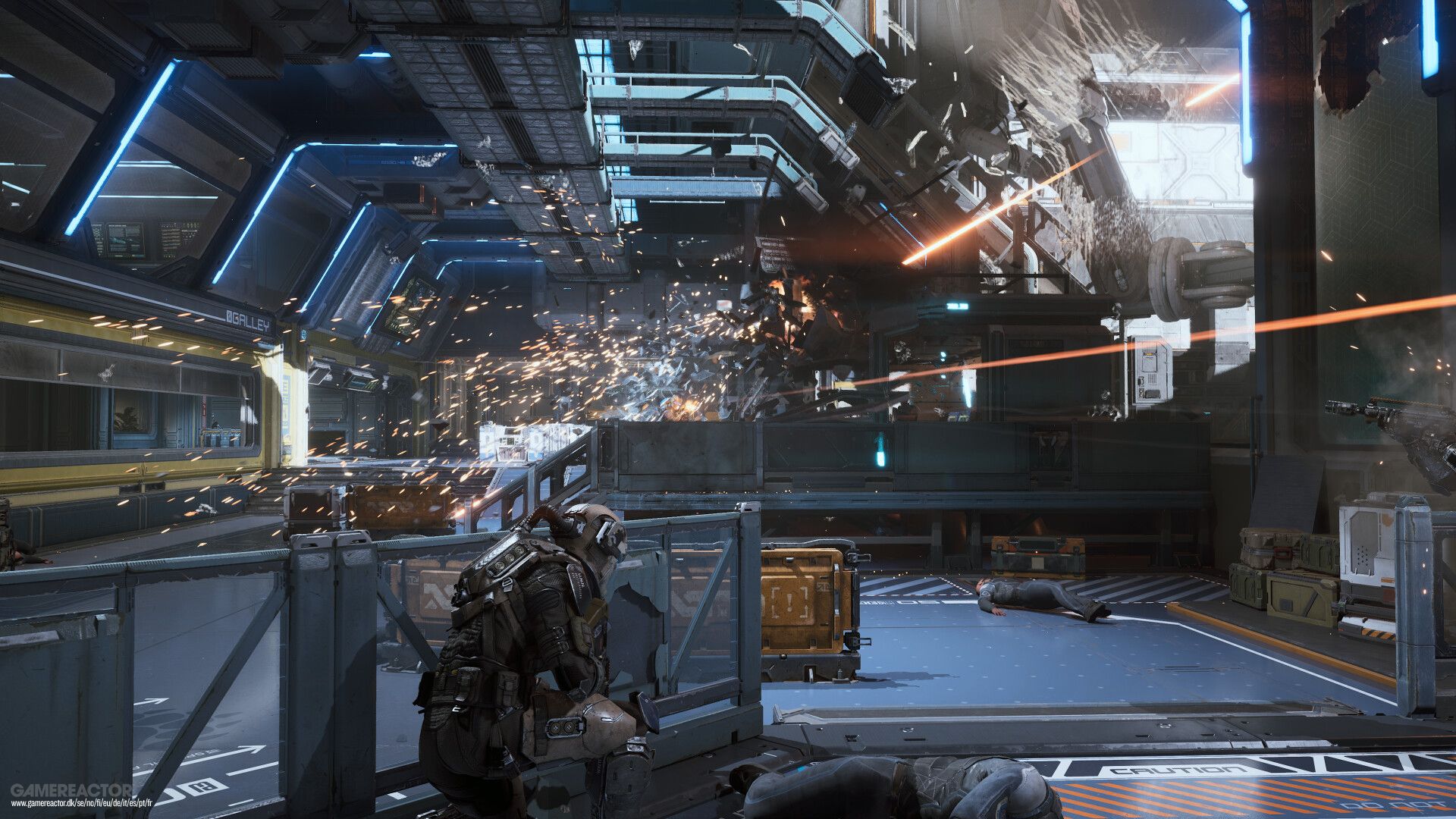
The gaming industry is witnessing a distinct shift in design philosophy as a wave of upcoming Mass Effect-like games begins to emerge, signaling a return to the cinematic, choice-driven experiences that defined a generation of role-playing games (RPGs). For many players, this trend highlights a void in the market that has existed for years: the desire for deep narrative agency paired with an immersive, over-the-shoulder perspective.
This resurgence is not merely about nostalgia but about the revival of the “BioWare classic” experience. While recent titles like Baldur’s Gate III have successfully reintroduced the depth of traditional RPGs, the specific combination of third-person action and complex interstellar storytelling has been largely absent from the AAA landscape. The return of the over-the-shoulder camera angle is seen as a critical component in recapturing the intimacy and scale that made the original Mass Effect series a benchmark for the genre.
As developers lean back into these structures, the industry is acknowledging what gamers have been missing for far too long. The appeal lies in the intersection of character-driven storytelling and tactical combat, where the player’s decisions carry weight across a sprawling universe. This trend suggests a growing appetite for “space operas” that prioritize world-building and companion relationships over simplified action loops.
The Legacy of Mass Effect and the Modern RPG Gap
To understand why these upcoming titles are significant, one must appear at the foundation laid by the original Mass Effect. Released for Xbox 360, PC, and PS3, the series established a standard for how narrative and gameplay could coexist in a sci-fi setting Gamereactor Norge. The original title was praised for its ambition, with critics noting its success in blending exploration and combat.
For years, the industry pivoted toward open-world survival or streamlined action-adventures, often leaving behind the tight, character-focused narratives of the mid-2000s. The “gap” refers to the lack of high-budget titles that offer the specific blend of diplomacy, squad management, and consequential dialogue trees. The current wave of development indicates that the market is ready to move beyond these limitations and return to the complex storytelling methods pioneered by BioWare.
Anticipation for the Next Chapter in the Franchise
While other studios are creating “Mass Effect-like” experiences, the anticipation for an official continuation of the series remains high. Discussion surrounding a potential Mass Effect 4 has persisted, with the game targeted for PC, PS5, and Xbox Series X Gamereactor Norge.
A key point of contention and excitement for the community is the fate of the series’ iconic protagonist. Jennifer Hale, the voice actress for the female version of Commander Shepard, has stated she has “no idea” if the character will return in the next installment. However, Hale has expressed interest in a return to the role, adding a layer of speculation to the future of the franchise’s narrative direction as of January 7, 2026 Gamereactor Norge.
What Defines a ‘Mass Effect-Like’ Game?
The industry is currently defining this sub-genre through several key characteristics that players have missed:
- Over-the-Shoulder Perspective: Moving away from isometric or first-person views to create a more cinematic feel.
- Narrative Agency: Systems where dialogue choices significantly alter the plot and character relationships.
- Squad-Based Dynamics: The ability to manage a team of specialists with unique personalities and skill sets.
- World-Building: Extensive lore that expands the universe beyond the immediate primary quest.
The Impact of the Over-the-Shoulder Revival
The return to the over-the-shoulder look is being described as a “substantial boon” for the industry. This perspective allows for a more personal connection between the player and the avatar, while still providing the tactical awareness needed for combat. By combining this visual style with the depth found in modern RPGs, developers are bridging the gap between the “old school” depth of the 2000s and the technical capabilities of 2026 hardware.
This movement is not happening in isolation. The success of titles that embrace complex systems—such as Baldur’s Gate III—has proven that players are willing to engage with dense mechanics if the storytelling is compelling. The “Mass Effect-like” wave is simply applying that lesson to the sci-fi, third-person action genre.
As the industry moves forward, the focus remains on whether these new titles can capture the specific magic of the original trilogy or if they will simply mimic the aesthetics. The demand is clear: players want stories that respect their intelligence and choices, set within worlds that feel alive and reactive.
For those tracking the official return of the series, the next major development will be official confirmation from BioWare regarding the plot and the return of legacy characters like Commander Shepard. We will continue to monitor official announcements as they emerge.
Do you think the industry is finally returning to the gold standard of RPG storytelling? Share your thoughts in the comments below.
Worth a look