As we mark World Health Day on April 7, 2026, the global medical community is pivoting toward a more integrated understanding of wellness. This year, the focus shifts from isolated treatments to a broader, more collaborative vision of survival and thriving. For those of us in the field of internal medicine, this transition represents a critical evolution in how we approach patient care and public health.
The theme for World Health Day 2026, “Together for science,” emphasizes the power of scientific collaboration to safeguard the health of humans, animals, plants, and the entire planet. What we have is not merely a slogan but a call for multilateral cooperation to transform scientific evidence into tangible action. As someone who has spent over a decade bridging the gap between clinical practice and medical journalism, I believe the most significant catalyst for this change is the democratization of health data.
The intersection of public health mandates and consumer technology is creating a new paradigm of “accessible health data.” By moving diagnostic signals from the confines of expensive laboratories into the palms of the users, we are empowering millions to capture a proactive role in their own longevity. This shift is particularly vital in regions where healthcare infrastructure may be strained, making remote monitoring a lifeline rather than a luxury.
“Together for Science”: The 2026 Global Mandate
Organized by the World Health Organization (WHO), World Health Day commemorates the anniversary of the organization’s founding in 1948. For 2026, the Pan American Health Organization (PAHO) and WHO are mobilizing regions under the “One Health” approach. This framework recognizes that the health of people is closely connected to the health of animals and our shared environment.
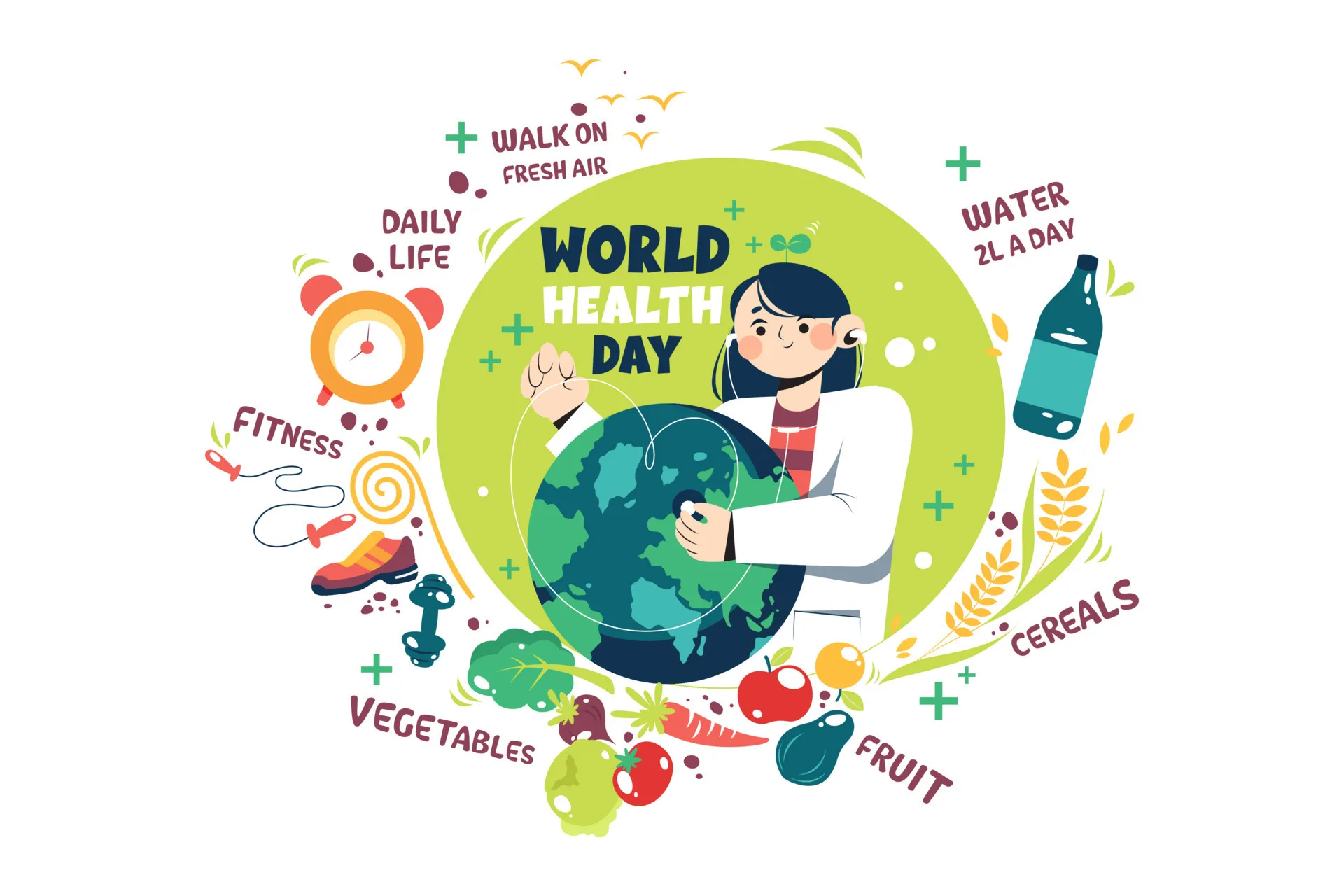
The “One Health” strategy is essential for addressing complex modern challenges, such as zoonotic diseases and the impact of climate change on respiratory health. By celebrating the power of scientific collaboration, the 2026 initiative aims to break down the silos between veterinary medicine, environmental science, and human healthcare. The goal is clear: to create a unified front against global health threats through shared data and cooperative research.
Empowering Patients Through Accessible Health Data
While multilateral cooperation happens at the governmental level, the most immediate impact of “Together for science” is felt at the individual level. The rise of sophisticated health monitoring tools is transforming “invisible” biological signals into actionable insights. When patients have access to their own health trends, the conversation with their physician shifts from “I feel unwell” to “My data shows a specific irregularity.”
This empowerment is especially critical for conditions that often go undetected until they reach a crisis point. Digital health ecosystems are now capable of tracking metrics that were previously only available through clinical-grade equipment. This accessibility allows for earlier intervention, reducing the burden on emergency departments and improving long-term patient outcomes.
Uncovering the Invisible: The Fight Against Sleep Apnea
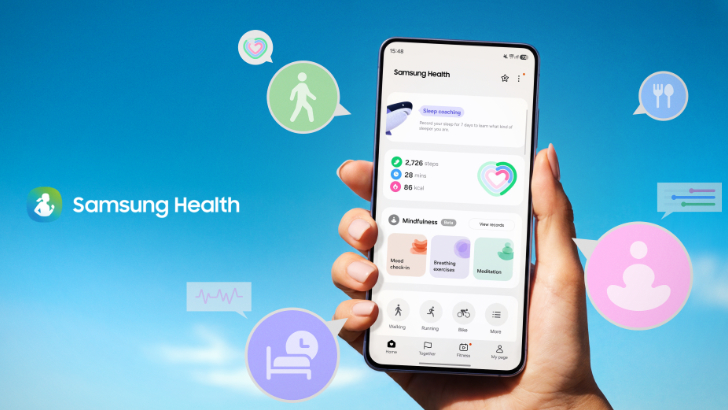
A poignant example of this technological shift is the ongoing effort to combat sleep apnea. This condition, characterized by interruptions in breathing during sleep, is a silent epidemic. According to data shared by Samsung Health, approximately 80% of people suffering from sleep apnea are unaware they have the problem.
The danger lies in the invisibility of the condition. Sleep apnea can lead to severe complications, including hypertension and stroke, by interrupting oxygen supply and fragmenting sleep cycles—specifically reducing REM and deep sleep. Traditionally, diagnosing this required expensive and time-consuming laboratory sleep studies, which created a significant barrier to care.
To address this, innovations such as the Galaxy Watch’s Sleep Apnea feature utilize a BioActive Sensor to detect signals of the condition. By providing users with a warning that they may need further medical examination, the technology acts as a screening tool that bridges the gap between ignorance and diagnosis. A global study conducted by Samsung Health revealed that 23% of participants were at risk of developing sleep apnea, highlighting the urgent need for accessible screening tools.
Key Impacts of Sleep Apnea Detection
| Feature | Traditional Lab Study | Digital Health Monitoring |
|---|---|---|
| Accessibility | Limited; requires appointment | High; continuous monitoring |
| Cost | High/Expensive | Low/Consumer-based |
| Patient Burden | High (overnight stay) | Low (passive tracking) |
| Primary Goal | Definitive Diagnosis | Risk Identification/Screening |
From Evidence to Action: The Future of Public Health
The ultimate goal of the 2026 World Health Day is to move from evidence to action. Whether It’s through the “One Health” approach or the use of wearable technology to detect sleep disorders, the objective is the same: early detection and collaborative response. When millions of people are empowered with their own health data, they turn into active participants in the scientific process.
As a physician, I view these tools not as replacements for clinical judgment, but as essential precursors to it. The “Together for science” theme reminds us that the most effective healthcare system is one where the patient, the provider, and the scientist are all working from the same set of verified data.
The next major milestone for global health awareness will be the continued implementation of the WHO’s 2026 multilateral frameworks, with regional reports on “One Health” progress expected in the coming months. We encourage our readers to utilize available health tracking tools and consult with healthcare providers to turn their personal data into a plan for lifelong wellness.
Do you use wearable technology to track your health? Have these tools changed how you discuss your wellness with your doctor? Share your experiences in the comments below.