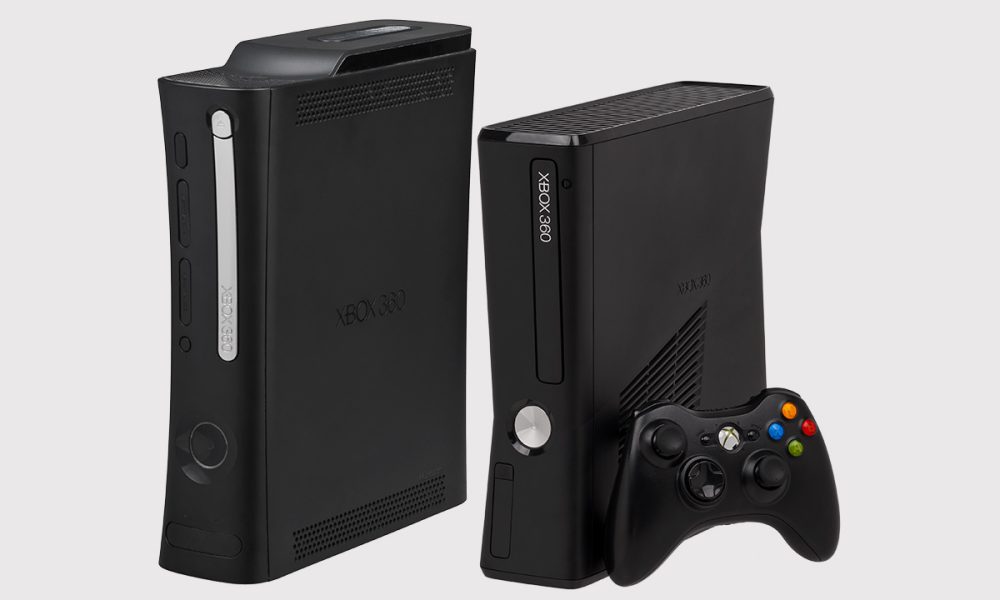
Gaming enthusiasts are seeing the first signs of a potential revival for one of Microsoft’s most celebrated initiatives. Several delisted Xbox and Xbox 360 games have recently reappeared on the Xbox Store, sparking widespread speculation that the Xbox Backwards Compatibility program is preparing for a significant return.
The sudden visibility of these titles comes shortly after reports that Microsoft plans to bring back the program in some form later in 2026. For years, the ability to play legacy titles on modern hardware has been a cornerstone of the Xbox ecosystem, allowing players to preserve and experience classic franchises on the Xbox One and Xbox Series X|S.
The program originally gained momentum in 2015, transforming the user experience by allowing select titles from previous generations to run on newer consoles. While the initiative saw a massive influx of titles over several years, latest additions largely ceased in 2021 due to licensing complications. The recent appearance of previously unavailable games suggests that Microsoft may have resolved some of these hurdles or is implementing a new strategy for legacy content.
As a technology journalist with a background in software engineering, I have followed the evolution of emulation and hardware compatibility closely. The technical feat of making a game designed for a 2005 console run on 2020s hardware is not trivial; it requires extensive testing to ensure that the “look and feel” of the gameplay is preserved while taking advantage of modern processing power.
The Evolution of Xbox Backward Compatibility
The journey toward native compatibility was not immediate. At its launch in November 2013, the Xbox One did not feature native backward compatibility for original Xbox or Xbox 360 games according to historical records. Early solutions were makeshift, with some officials suggesting that users utilize the console’s HDMI-in port to pass through signals from older hardware.
The tide shifted on June 15, 2015, when Microsoft announced plans to introduce Xbox 360 backward compatibility at no additional cost. This functionality was first made available to Xbox Preview program users before a public dashboard update released the feature to all users on November 12, 2015 on that date. These games operate within an emulator, granting them access to modern features like gameplay recording and broadcasting.
Support expanded further on October 24, 2017, with an update that added titles from the original Xbox library. When the Xbox Series X|S launched in 2020, it maintained compatibility with the same list of games as the Xbox One. To celebrate the 20th anniversary of the original console, Microsoft published a “final addition” of 69 titles on November 15, 2021 as part of that milestone.
Technical Enhancements for Modern Hardware
Backward compatibility is more than just making an old game “work.” Microsoft has invested heavily in improving the presentation of these legacy titles. For the Xbox Series X|S, the company set more than 500,000 hours of testing into meeting quality standards to ensure a polished experience.
These enhancements often result in games looking and feeling more beautiful than they did on original hardware, while strictly preserving the core playability that fans expect. By leveraging the increased power of the Series X|S, many titles benefit from improved stability and visual fidelity without altering the original game logic.
The 2026 Outlook: What Happens Next?
After a period of stagnation starting in 2021, the prospect of a return is generating significant buzz. Reports indicate that Xbox Backwards Compatibility is returning in some form later in 2026, with Microsoft intending to roll out “new ways to play some of the most iconic games from our past.”
The recent “leak” of delisted games on the Xbox Store is viewed by many as a precursor to this official rollout. While these games were spotted live and then subsequently removed, it suggests that the backend infrastructure is being updated to accommodate new titles. Over 600 titles were previously made compatible, and the industry is watching to witness how many more can be rescued from “digital oblivion” through these new methods.
| Date | Event/Update |
|---|---|
| November 2013 | Xbox One launches without native backward compatibility. |
| November 12, 2015 | Public release of Xbox 360 backward compatibility update. |
| October 24, 2017 | Original Xbox library titles added to the program. |
| November 15, 2021 | “Final addition” of 69 titles released for 20th anniversary. |
| Later in 2026 | Expected return of the program with new ways to play iconic games. |
Why Licensing Matters
The primary obstacle to expanding this library has been licensing. Games are rarely owned solely by the platform holder; they involve publishers, music rights holders, and third-party developers. When licenses expire, games are “delisted” from digital stores. The fact that delisted games are reappearing suggests that Microsoft may be negotiating new agreements or finding a different legal framework to bring these classics back to the modern audience.
For the global gaming community, this is a matter of digital preservation. Without these programs, thousands of hours of software history would be inaccessible to anyone without original, aging hardware and physical discs.
The next major checkpoint for this development will be the official rollout of the new compatibility methods scheduled for 2026. Until then, users should keep an eye on the Xbox Store for further appearances of legacy titles.
What classic Xbox 360 or original Xbox title are you hoping to see return? Let us know in the comments below and share this article with your fellow gamers.
Keep reading