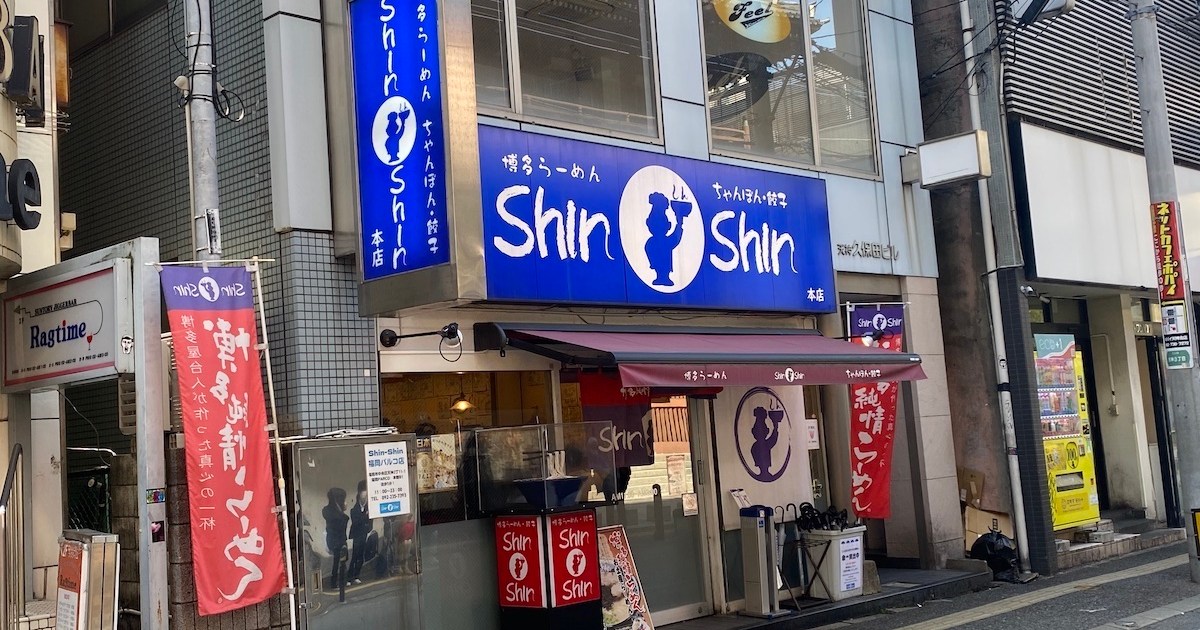
Fukuoka has long been recognized as the global epicenter of Tonkotsu ramen, a culinary destination where the aroma of rich pork bone broth permeates the streets of Hakata. For any traveler arriving in the city, the ramen scene presents a daunting choice: follow the global fame of established chains or seek out the hidden gems championed by the locals. In recent years, this competition has manifested in massive queues that stretch around city blocks, driven by a surge of international visitors.
As a sports editor who has spent over a decade covering high-pressure environments from the stadiums of Lisbon to international Olympic venues, I recognize the signs of a “heavyweight bout” when I see one. In Fukuoka, that bout is taking place in the ramen shops. The sheer volume of tourists—particularly those visiting from South Korea—has transformed dining into a test of endurance, where the reward is a steaming bowl of Hakata’s finest noodles.
The current landscape of Fukuoka ramen is defined by a tension between two different philosophies of popularity. On one side is the polished, globally recognized experience of Ichiran; on the other is the gritty, local authenticity of spots like Shin-Shin and the historic Nagahama No. 1. While the lines are long, the diversity of the offerings ensures that there is a profile for every palate, from the creamy and rich to the thin and fast.
The Battle for Supremacy: Shin-Shin vs. Ichiran
For many international tourists, Ichiran is the default choice. Its “flavor concentration booths” and customizable order sheets have made it a viral sensation. However, within the city of Fukuoka, a different narrative often emerges. Local diners frequently point toward Shin-Shin Hakata Ramen as a superior alternative for those wanting a taste of what locals actually eat.

The debate often comes down to texture and taste. Some visitors find the experience at Ichiran’s main stores to be inconsistent, with reports of noodles feeling “sticky” or the overall flavor failing to meet the high expectations set by its global marketing via Facebook community discussions. In contrast, Shin-Shin has built a reputation for a broth that balances richness without overwhelming the palate, making it a primary target for the “foodie” crowd and tourists seeking an authentic Hakata experience.
The Heritage of Nagahama: Speed and Tradition
To understand the DNA of Fukuoka ramen, one must appear at the Nagahama style. Unlike the curated experience of modern chains, Nagahama ramen was born from necessity. The style originated near the fish markets, where workers needed a meal that was fast, filling, and affordable. This led to the development of extremely thin noodles that cook in seconds, allowing for a rapid turnover of customers.
One of the most prominent practitioners of this style is Nagahama No. 1. For those navigating the bustle of the city, their branch in the Hakata Deitos 2F (Hakata Men Kaido) offers a streamlined experience. Operating from 11:00 to 22:30, the shop is known for its “Nitama-move” (soft-boiled egg) ramen, featuring a broth that is described as濃厚 (rich/concentrated) yet not overly salty.
The efficiency of the Nagahama style is a critical component of how these shops handle the massive influx of international tourists. Because the noodles cook so quickly and the seating is often designed for high turnover, these establishments can process long queues more effectively than traditional sit-down restaurants.
Navigating the “Big Lines” in Hakata
The phenomenon of the “big line” (大行列) in Fukuoka has become a tourist attraction in its own right. The presence of large groups of South Korean visitors, in particular, underscores the deep cultural and culinary ties between Korea and Japan. For these visitors, a trip to Fukuoka is often incomplete without a visit to these specific ramen landmarks.

For the traveler, the strategy for tackling these lines varies by shop:
- Shin-Shin: Expect a wait, but the local endorsement makes it a high-priority stop for those avoiding the more “touristy” chains.
- Ichiran: While the queues are legendary, the standardized system ensures a predictable, if less “local,” experience.
- Nagahama No. 1: A better option for solo diners or those in a rush, thanks to the fast-paced nature of the fish-market style service.
This surge in demand has transformed the dining experience from a simple meal into a logistical challenge. Much like a major sporting event, timing is everything. Visiting during off-peak hours or choosing locations slightly removed from the main station hubs can reduce wait times, though the most famous spots rarely see a lull in activity.
| Shop/Style | Primary Appeal | Key Characteristic | Typical Crowd |
|---|---|---|---|
| Shin-Shin | Local Authenticity | Balanced Tonkotsu broth | Locals & Foodies |
| Ichiran | Global Brand/Privacy | Customizable flavor booths | International Tourists |
| Nagahama No. 1 | Historic Speed | Ultra-thin noodles | Quick Diners & Traditionalists |
As Fukuoka continues to grow as a global tourism hub, the pressure on these iconic ramen shops will only increase. The ability of these establishments to maintain quality while serving thousands of international guests daily is a testament to the efficiency of Japanese hospitality and the timeless appeal of the Tonkotsu bowl.
The next major shift in Fukuoka’s culinary scene will likely be the emergence of new “local” favorites as tourists seek to move beyond the most famous names to find the next hidden gem. For now, the lines at Shin-Shin and Ichiran remain the definitive markers of the city’s gastronomic pull.
Do you prefer the global consistency of a chain or the risk and reward of a local favorite? Share your Fukuoka ramen experiences in the comments below.