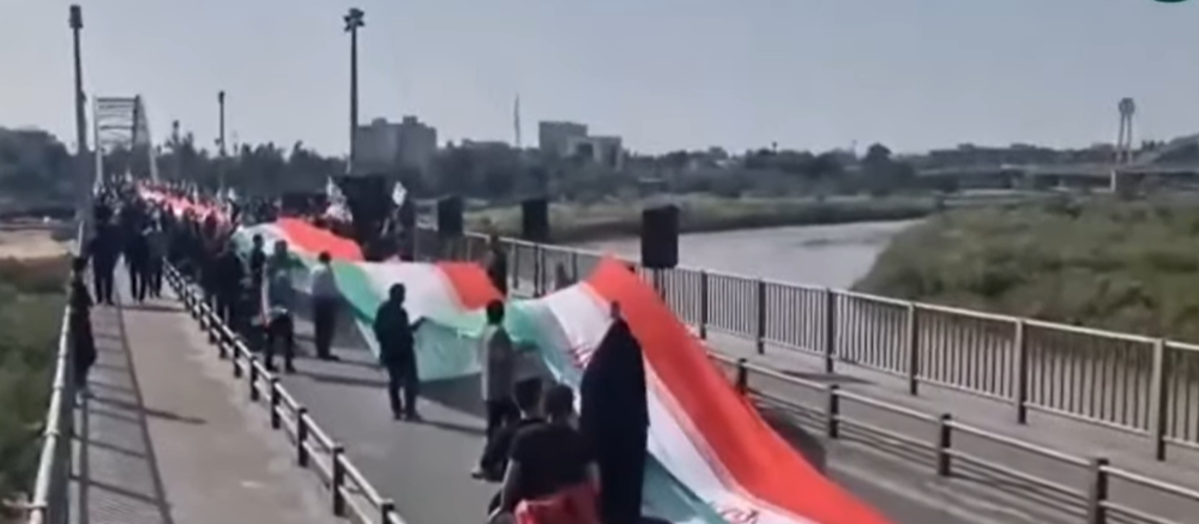
Tensions between the United States and Iran have reached a critical juncture as reports emerge of Iranian citizens forming human chains to protect their nation’s energy infrastructure. According to images published by state media, these human chains were established at power plants and bridges on Tuesday to serve as a symbolic and physical deterrent against potential military action.
The mobilization follows recent threats from U.S. President Donald Trump regarding the possibility of striking Iran’s energy infrastructure. This escalation has prompted the Iranian government to call upon its youth to participate in these protective formations as a deadline set by the U.S. Administration looms via The Guardian.
The effort to organize these human chains was coordinated through a widespread campaign utilizing online platforms and SMS text messages, urging volunteers nationwide to sign up and occupy strategic positions. Top Iranian officials have intensified the rhetoric surrounding these actions, stating they are prepared to sacrifice their lives to defend the country’s critical infrastructure.
Strategic Infrastructure and the Threat of Escalation
The focus on power plants and bridges highlights the vulnerability of energy infrastructure in the face of modern precision strikes. The decision to deploy civilians as human shields is a high-stakes gamble, intended to raise the political and moral cost for the United States should it choose to proceed with military strikes.
Current reports indicate that these human chains are not limited to energy sites but have extended to bridges, creating a network of civilian presence across key transit and utility hubs via BBC. This tactic underscores the desperation and the perceived urgency within Iran as they face a tightening deadline from Washington.
From a technological and strategic perspective, the targeting of energy grids is often viewed as a way to destabilize a regime by cutting off power to military installations and civilian populations. By placing people physically at these sites, Iran is attempting to complicate the targeting process and create a global optics crisis for the U.S. Administration.
The Tipping Point: Diplomacy vs. Destruction
The current situation is described as a “tipping point” for President Trump’s administration. The U.S. Leadership appears to be weighing two primary paths: the complete destruction of Iran’s energy infrastructure or providing a final opportunity for diplomatic talks via Axios.
The use of SMS and digital mobilization to organize these chains demonstrates how the Iranian state is leveraging consumer technology to manage civilian movements in real-time. For those of us tracking the intersection of tech and geopolitics, this is a clear example of how digital communication is being used to coordinate physical defense mechanisms on a national scale.
Key Takeaways of the Current Crisis
- Civilian Mobilization: Iranians are using human chains to protect power plants and bridges from potential U.S. Strikes.
- Digital Coordination: The movement was organized via SMS and online campaigns to recruit volunteers nationwide.
- U.S. Dilemma: The Trump administration is balancing the choice between destroying infrastructure and pursuing diplomatic negotiations.
- High Stakes: Iranian officials have expressed a willingness to sacrifice lives to prevent the loss of energy assets.
What Happens Next?
The international community is now watching the looming deadline set by the Trump administration. Whether the U.S. Chooses to engage in talks or proceed with military options will depend on the perceived effectiveness of Iran’s deterrents and the internal pressures within the U.S. Government.
The immediate future depends on whether the “tipping point” leans toward diplomacy or an escalation that could result in significant civilian casualties given the presence of human chains at targeted sites. There is currently no confirmed date for the next official diplomatic meeting, but the proximity of the deadline suggests a resolution—one way or another—is imminent.
We will continue to monitor official statements from both the White House and Tehran. We invite our readers to share their perspectives on this escalating crisis in the comments below.
Related reading
- Why 50% of Steam Gamers Are Still Stuck on 1080p Despite Cheap 1440p Monitors
- From Fashion Major to YouTuber: The Journey Begins
- Trump Legal Team Defends Accountability Efforts Amid Ongoing Proceedings (world-today-news.com)
- Human Eye May Trace Back to 600-Million-Year-Old Single-Eyed Ancestor (news-usa.today)