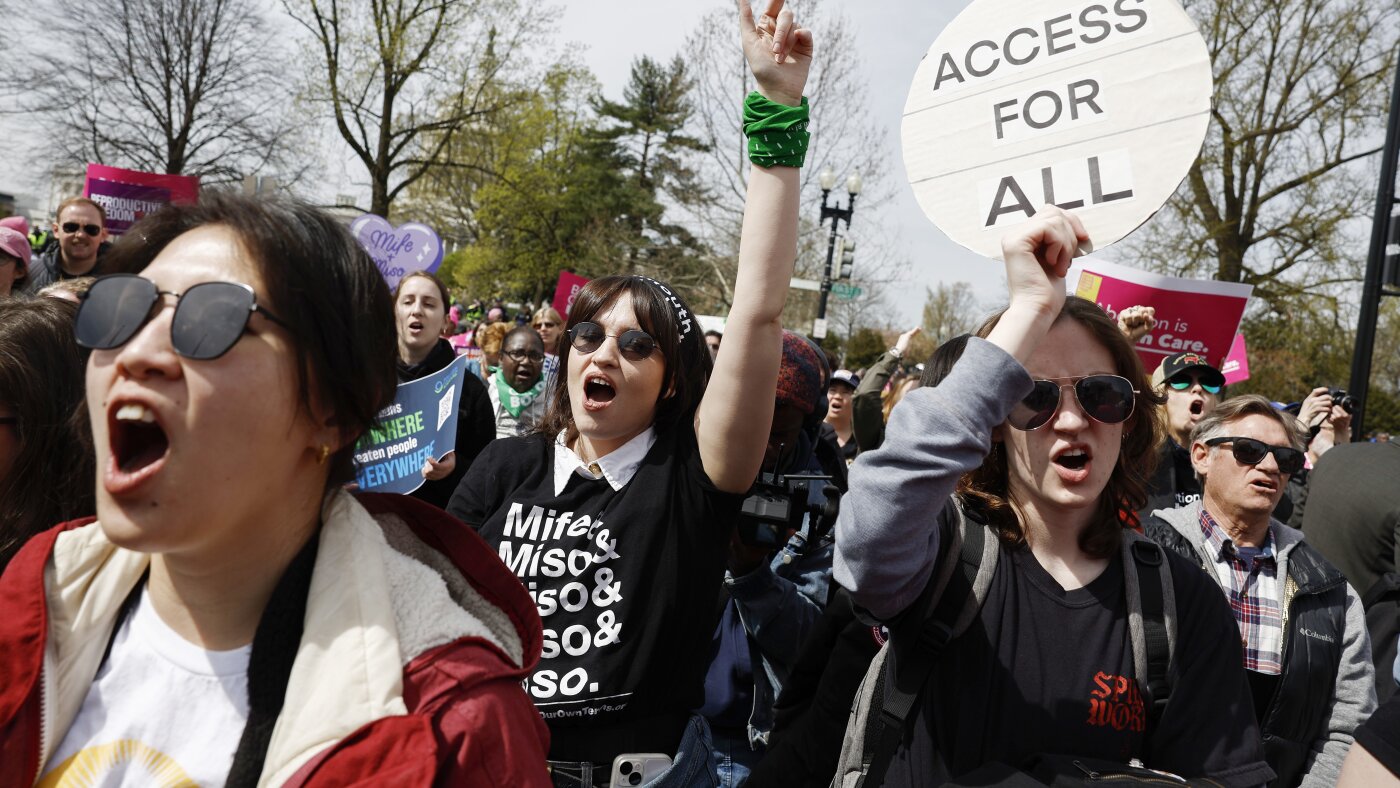
Access to medication abortion via telehealth will remain unchanged for the time being following a decision by a federal judge to pause a legal challenge brought by the state of Louisiana. The ruling ensures that the current availability of mifepristone, a medication central to medical abortions, is not restricted while the U.S. Food and Drug Administration (FDA) conducts a safety review of the drug.
U.S. District Judge David Joseph, a Trump appointee in Lafayette, Louisiana, halted the state’s lawsuit, which sought to limit the nationwide distribution of mifepristone. The pause is intended to allow the Trump administration’s FDA to complete an evidence-based review of the medication’s safety before the court decides on the merits of the state’s challenge to a 2023 regulation. This ruling means that for now, telehealth abortion access remains intact for patients who rely on the medication being sent via mail.
The legal dispute centers on a 2023 FDA revision to the Risk Evaluation and Mitigation Strategy for mifepristone. This specific revision removed the previous requirement that the medication be dispensed in-person at a medical facility, thereby allowing prescribers to send the medication directly to patients by mail according to the Georgetown University Law Center Litigation Tracker. Louisiana had challenged this rule, arguing that the FDA’s decision was arbitrary and capricious.
The FDA Safety Review and Judicial Reasoning
Judge David Joseph emphasized that it is in the public interest to prioritize the FDA’s administrative process over “government by lawsuit.” He stated that the challenge to the 2023 rule should not proceed until the FDA determines whether it will repeal the regulation based on its promised expeditious and evidence-based review as reported by the Union Leader.
While the judge denied Louisiana’s immediate request to block the 2023 rule, he did indicate that the state could renew its bid once the case resumes. Judge Joseph noted that he would likely grant such a request in the future, leaving a window open for potential restrictions depending on the outcome of the FDA’s review.
The FDA first approved mifepristone in 2000. Since then, it has turn into a primary method for terminating pregnancies, now used in 60% of U.S. Abortions per reporting from the Union Leader. Reports indicate that the FDA’s current review of the drug has been delayed until after the November midterm elections.
Impact on Patients and Healthcare Providers
For many patients, the ability to receive mifepristone via telehealth is more than a convenience; it is a critical component of healthcare access. According to Planned Parenthood Federation of America, telehealth services eliminate the need for burdensome or costly travel, which is particularly significant for low-income patients, Black and Latino patients, those living in rural “health care deserts,” and patients with disabilities as stated in a press release from Planned Parenthood.
The scale of the drug’s leverage underscores the potential impact of any future restrictions. Mifepristone has been used safely and effectively by more than 7.5 million people over the last 25 years according to Planned Parenthood. Any shift in the FDA’s dispensing rules could fundamentally alter how medication abortion is administered across the United States.
Alexis McGill Johnson, president and CEO of Planned Parenthood Federation of America, characterized the FDA’s review as “politically-motivated and unnecessary.” She warned that while access remains unchanged for now, the judge’s decision leaves the door open for future restrictions imposed either by the administration or by the courts.
Legal Precedents and the Path Forward
This case is part of a broader, volatile legal landscape regarding reproductive health. Judge Joseph noted that the 5th U.S. Circuit Court of Appeals had previously ruled three years ago that earlier FDA rules easing access to mifepristone were unlawful. But, the U.S. Supreme Court subsequently ruled that the plaintiffs in that specific case lacked the legal standing to challenge the rules, though the Court did not address the actual merits of the legal arguments as documented by the Union Leader.
Louisiana Attorney General Liz Murrill, a Republican, has signaled that the state will not accept the pause without a fight. Murrill stated that her office intends to appeal Judge Joseph’s decision and will ask the 5th Circuit Court of Appeals to block the 2023 rule immediately.
Key Takeaways: Mifepristone Legal Status
- Current Status: Telehealth access to mifepristone remains unchanged; it can still be dispensed by mail under the 2023 FDA rule.
- The Pause: A federal judge halted Louisiana’s lawsuit to allow the Trump administration’s FDA to complete a safety review.
- The Risk: The judge indicated he would likely grant a request to block the rule once the case resumes.
- Scale of Use: Mifepristone is used in approximately 60% of U.S. Abortions and has been used by over 7.5 million people.
- Next Step: Louisiana Attorney General Liz Murrill plans to appeal the pause to the 5th U.S. Circuit Court of Appeals.
As the FDA continues its review, the medical community and patient advocacy groups remain on high alert. The outcome of this review—and the subsequent legal battles in the 5th Circuit—will determine whether the shift toward telehealth in reproductive medicine remains a permanent fixture of the U.S. Healthcare system or is rolled back in favor of in-person clinical requirements.
The next confirmed checkpoint in this legal battle is the anticipated appeal by the Louisiana Attorney General’s office to the 5th U.S. Circuit Court of Appeals to lift the pause and block the 2023 FDA rule.
We invite our readers to share their thoughts on the intersection of telehealth and healthcare policy in the comments below.
Related reading