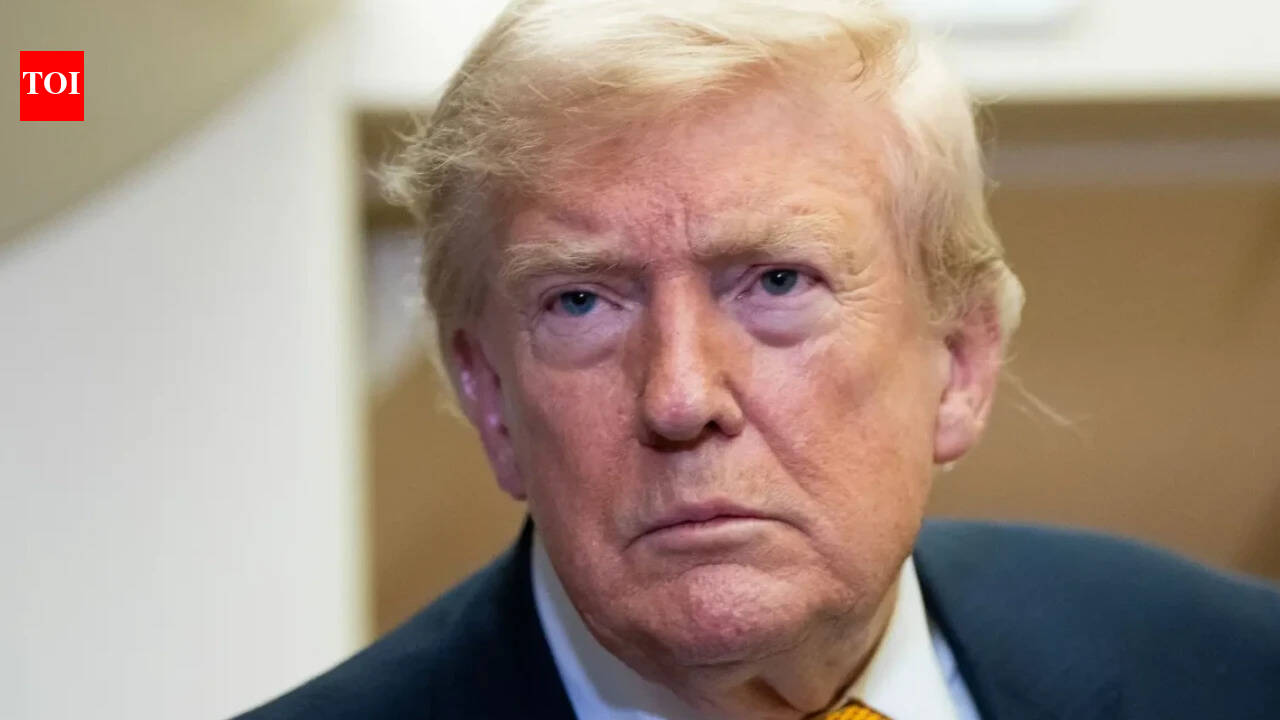
Capital One Financial disclosed in a court filing that it closed more than 300 Trump Organization-affiliated bank accounts following an internal anti-money laundering review. The filing marks the first time a major bank has formally tied money-laundering risk procedures to the closures, pushing back against a 2025 lawsuit alleging political bias.
The banking dispute centers on more than 300 Trump-affiliated accounts that Capital One notified the family business it would close in March 2021. For years, the rationale behind the sweeping shuttering of accounts remained unconfirmed in formal court proceedings. That changed when the lender submitted a filing in Florida federal court, directly linking the administrative decision to internal compliance evaluations.
According to the court documents, the financial institution acted after months of scrutiny by its compliance specialists. The bank maintains that the move followed standard operating procedures rather than any ideological agenda.
Inside the Anti-Money Laundering Review and Regulatory Guidance
Capital One has never accused the Trump Organization of engaging in illegal financial crimes. Instead, the bank’s legal defense specifies that the account terminations were administrative steps rooted in risk management frameworks.

“Documents and Plaintiffs’ own allegations make clear that Capital One closed Plaintiffs’ accounts for anti-money laundering (‘AML’) reasons. The closures were the result of months of analysis and a careful review by Capital One’s AML team in accordance with bank policies and regulatory guidance.”
Capital One, Court Filing
The filing asserts that the transaction patterns flagged within the corporate structure correspond to types of activity frequently highlighted by federal banking guidance. Large commercial conglomerates often maintain hundreds of distinct financial touchpoints across various real estate holdings, hotels, and golf courses, giving compliance teams extensive ledgers to monitor.
The 2025 Lawsuit and Allegations of Politically Motivated Debanking
The court filing represents a direct counter-argument to a lawsuit initiated in March 2025. In that complaint, the Trump Organization and Eric Trump alleged that Capital One terminated the relationship because of corporate beliefs and a desire to align with the political climate following the January 6, 2021, attack on the U.S. Capitol.

Federal judges in Miami have dismissed two prior iterations of the lawsuit, granting the plaintiffs opportunities to amend their pleadings. In July, an updated complaint was submitted to the court. Capital One’s latest filing urges the court to throw out this revised complaint, arguing that it suffers from the same fundamental flaws as its predecessors and relies on selective quotations taken out of context.
Broader Political Scrutiny and Wall Street’s Regulatory Climate
The ongoing litigation unfolds against a tense backdrop of executive and legislative pressure on major American financial institutions. Since the beginning of Donald Trump’s second presidential term, the administration has intensified scrutiny over what conservative critics term discriminatory debanking.
In August 2025, Trump signed an executive order designed to bar financial entities from denying services based on political or religious affiliation. That executive action followed a separate lawsuit filed in January against JPMorgan Chase over similar account closure grievances. The legal battle between Capital One and the Trump Organization now sits at the intersection of private banking compliance standards and heightened executive oversight of Wall Street.