Prime Minister Benjamin Netanyahu has expressed support for a decision by U.S. President Donald Trump to suspend military strikes against Iran, though he clarified that the temporary US-Iran ceasefire will not extend to Israel’s active military operations in Lebanon. The announcement, made on Wednesday, April 8, 2026, establishes a fragile pause in direct tensions between the United States and Iran whereas maintaining a high-intensity conflict on Israel’s northern border .
The two-week truce is intended to provide a diplomatic window, but the divergent interpretations of the agreement’s scope have already created significant regional confusion. While the Israeli government backs the U.S. Effort to neutralize threats from Tehran, the continued bombardment of southern Lebanon underscores a stark divide in how the ceasefire is being applied across different fronts .
This development comes amid a volatile security environment where the line between state actors and regional proxies remains blurred. For the global community, the primary concern is whether a limited suspension of hostilities with Iran can hold, or if the ongoing strikes in Lebanon will trigger a wider escalation that renders the two-week truce obsolete before it can yield a permanent diplomatic solution .
The Scope of the Two-Week Truce
In a statement posted to X on Wednesday, Prime Minister Netanyahu confirmed that Israel supports President Donald Trump’s initiatives to ensure that Iran “no longer poses a nuclear, missile and terror threat to America, Israel, Iran’s Arab neighbors and the world” . The suspension of strikes is designed as a short-term measure, specifically lasting for two weeks, to facilitate broader strategic goals.
However, the Prime Minister’s office was explicit in its caveat: the ceasefire “does not include Lebanon” . This distinction means that while the direct military friction between the U.S. And Iran is paused, the Israeli Defense Forces (IDF) maintain full operational freedom to continue their campaign against targets in Lebanon.
Contradictory Regional Reports
The clarity of the Israeli position stands in direct contrast to claims made by other regional leaders. Pakistani Prime Minister Shehbaz Sharif announced that the U.S., Iran, and their allies had agreed to an “immediate ceasefire everywhere, including Lebanon and elsewhere,” stating that this move was effective immediately .
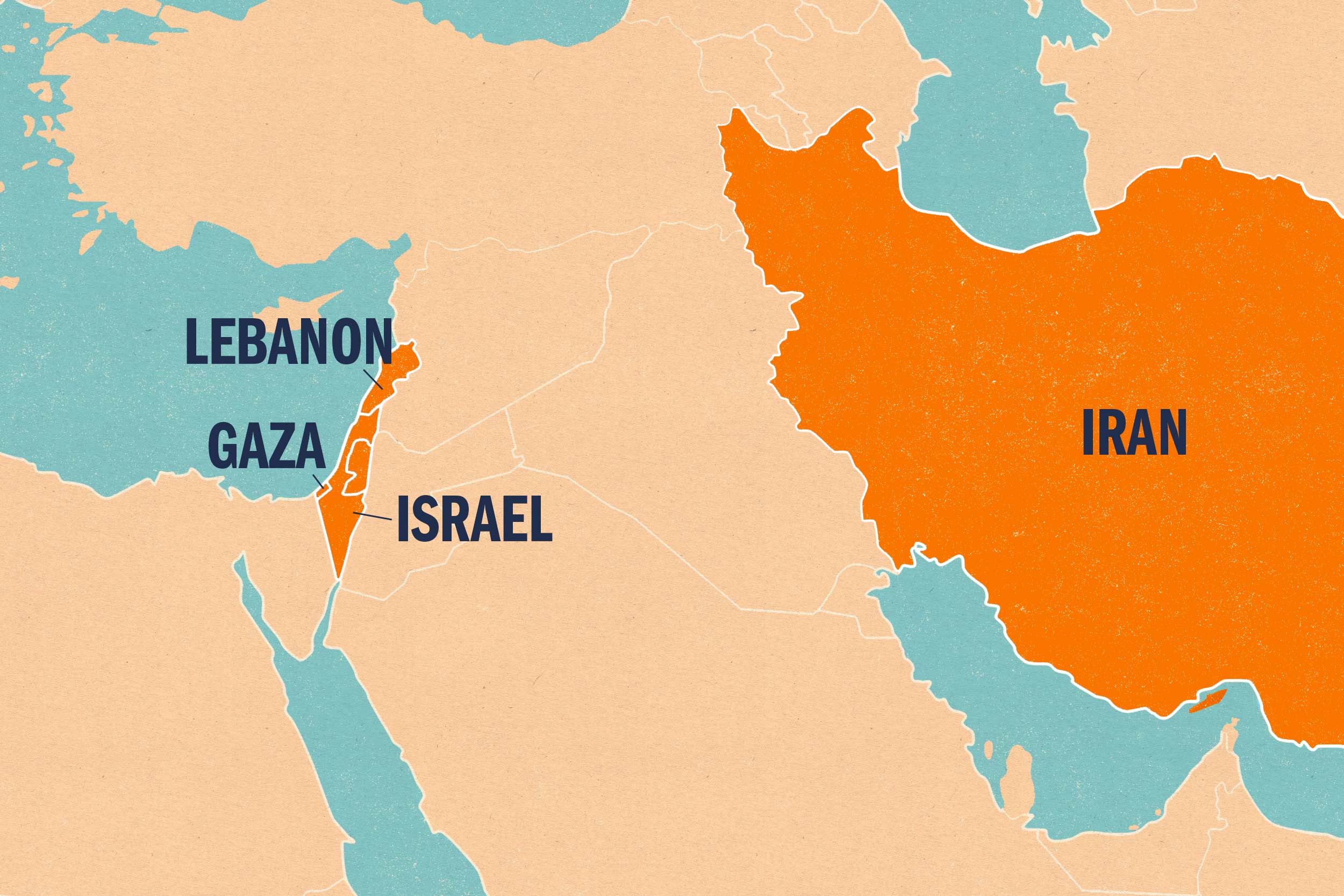
This discrepancy has created a dangerous information gap for civilians and military personnel on the ground. While diplomatic channels in some capitals are reporting a comprehensive regional peace, the Israeli government maintains that its security requirements in Lebanon necessitate continued military action, regardless of the status of the US-Iran ceasefire.
Military Operations Continue in Southern Lebanon
Evidence from the field confirms that the Israeli military has not halted its activity in Lebanon. On Wednesday, April 8, 2026, the Israeli military carried out attacks on southern parts of the country, specifically bombing the town of Srifa in the Tyre region . Israeli forces issued evacuation warnings for a building near the town, signaling that offensive operations are ongoing.
The Lebanese army has responded to these reports by urging extreme caution. In an official statement on Wednesday, the army warned citizens against returning to southern villages and towns, advising them to avoid areas where Israeli occupation forces have advanced . The army noted that reports of a ceasefire were circulating, but warned that residents could be exposing themselves to ongoing attacks if they returned prematurely.
Key Takeaways of the Current Crisis
- Duration: The truce between the U.S. And Iran is scheduled to last for two weeks.
- Exclusions: Prime Minister Netanyahu has explicitly stated that military operations in Lebanon are not part of this ceasefire.
- Conflicting Claims: Pakistani PM Shehbaz Sharif reported a total ceasefire “everywhere,” contradicting Israeli statements.
- Active Conflict: Israeli strikes continue in the Tyre region, specifically in the town of Srifa.
- Civilian Warning: The Lebanese army has advised citizens to remain away from the south despite ceasefire rumors.
What This Means for Regional Stability
The decision to isolate the Iran truce from the Lebanon conflict suggests a strategic calculation by the Israeli government to maintain pressure on Hezbollah while the U.S. Handles the primary state-level negotiations with Tehran. By decoupling these two fronts, Israel aims to prevent a scenario where a diplomatic deal with Iran inadvertently grants a reprieve to proxies in Lebanon.
For the residents of southern Lebanon, this means the “ceasefire” is a diplomatic abstraction with no immediate impact on their safety. The continuation of air strikes and evacuation orders indicates that the IDF does not view the current diplomatic window as a reason to pause its objectives in the north.
The effectiveness of this strategy depends largely on whether Iran adheres to the two-week suspension of strikes and whether the U.S. Continues to support Israel’s unilateral decision to maintain combat operations in Lebanon. If the latter is not maintained, the US-Iran ceasefire could face internal pressure from allies who view the continued fighting in Lebanon as a catalyst for renewed hostilities.
Timeline of Events: April 8, 2026
| Event | Detail | Source/Status |
|---|---|---|
| U.S. Decision | President Trump suspends strikes on Iran for two weeks | Confirmed by PM Netanyahu |
| Netanyahu Statement | Backs U.S. Decision; excludes Lebanon from truce | Official Statement via X |
| Sharif Announcement | Claims immediate ceasefire “everywhere,” including Lebanon | Pakistani Prime Minister |
| Military Action | IDF bombs Srifa in Tyre region; issues evacuation warnings | Lebanon National News Agency |
| Army Advisory | Lebanese army warns citizens not to return to the south | Official Army Statement |
As the two-week window progresses, the international community will be watching for any shift in the IDF’s posture in Lebanon or any breach of the truce by Iranian forces. The next critical checkpoint will be the conclusion of this 14-day period, at which point the U.S. And its allies will need to determine if the suspension of strikes has led to a tangible reduction in Iran’s nuclear and missile capabilities.
We will continue to monitor these developments. We invite our readers to share their perspectives on this diplomatic divide in the comments below.
Worth a look