
President Donald Trump is welcoming NATO Secretary-General Mark Rutte to the White House on Wednesday, April 8, 2026, amid a period of severe volatility for the transatlantic military alliance. The meeting comes as the ongoing war with Iran has pushed relations between the United States and other NATO members to what has been described as a crisis point according to Reuters.
The visit is viewed as a critical attempt by Rutte to smooth over the U.S. President’s anger regarding the alliance’s handling of the conflict. The stakes are particularly high as President Trump has been musing about the possibility of pulling the United States out of the military alliance entirely as reported by AP News.
At the center of the diplomatic friction is the war with Iran, which has become a primary source of tension among the 32-member alliance. The conflict, and specifically the resulting strain on the Strait of Hormuz, is expected to be the focal point of the discussions between the U.S. President and the NATO chief.
Diplomatic Crisis Over the Iran War
The current geopolitical climate has placed NATO in a precarious position. While the alliance is designed for collective defense, the complexities of the war with Iran have exposed deep rifts in how member states view the conflict and the necessary U.S. Involvement. The tension has reached a level where the stability of the 32-member bloc is being questioned.
For Secretary-General Mark Rutte, the mission in Washington is one of damage control. The goal is to address the grievances of the Trump administration and find a path forward that prevents a U.S. Withdrawal. A departure of the United States from NATO would represent a fundamental shift in global security architecture and economic stability, potentially altering market confidence in Western security guarantees.
The urgency of the meeting is underscored by the specific flashpoints of the conflict. Beyond the broader war, the instability in the Strait of Hormuz—a critical artery for global energy shipments—has added an economic dimension to the military crisis, further straining the patience of the White House.
The Risk of U.S. Withdrawal from NATO
The prospect of the United States exiting NATO is not merely a theoretical exercise but a central theme of the current diplomatic tension. President Trump’s reported considerations regarding leaving the alliance have created an atmosphere of uncertainty among European allies, who rely heavily on the U.S. Security umbrella.
This tension is not a new development in the current administration’s approach to the alliance, but the catalyst of the Iran war has accelerated the crisis. Rutte’s efforts to “smooth over” the president’s anger suggest that the relationship has deteriorated to a point where direct, high-level intervention is the only viable method to maintain the alliance’s integrity.
From a global markets perspective, the potential collapse of NATO would likely trigger significant volatility. The alliance provides a predictable security framework that underpins much of the economic cooperation between North America and Europe. Any move toward a U.S. Exit would force member states to drastically increase defense spending and rethink their strategic alignments.
Strategic Implications for the 32-Member Alliance
The current composition of the 32-member alliance means that any decision by the United States to withdraw would exit a void that current members may be unable to fill. The Iran war has served as a stress test for the alliance’s cohesion, revealing a lack of consensus on how to manage the conflict and the resulting regional instability.
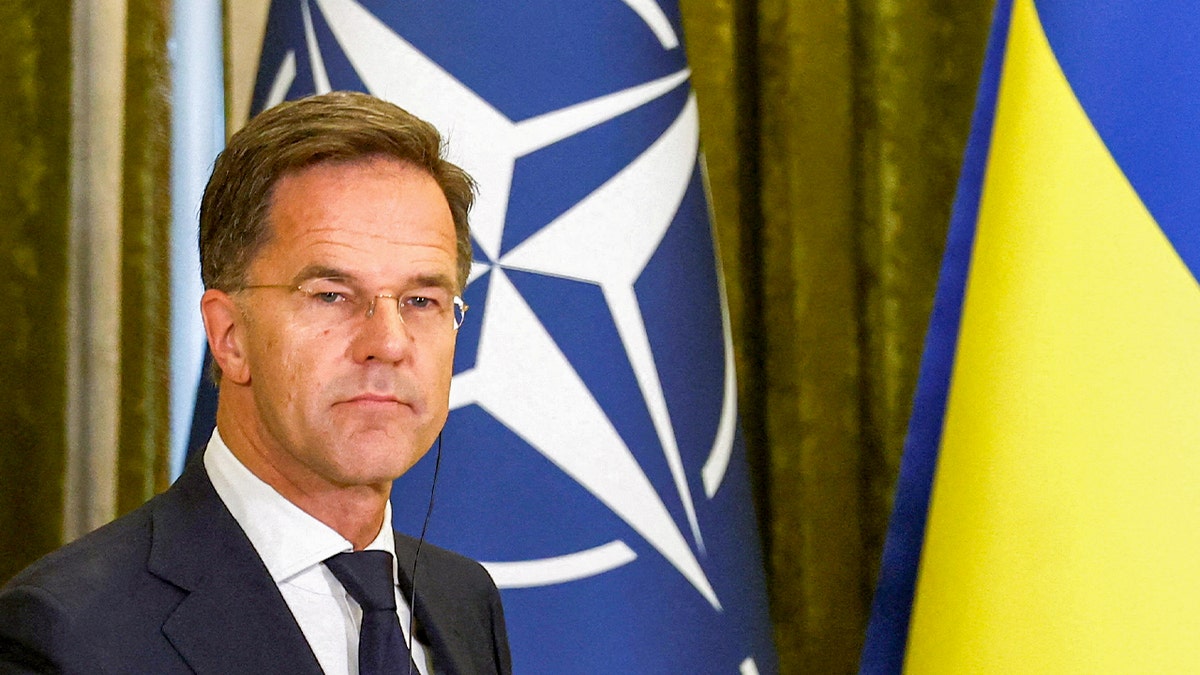
The discussions in the Oval Office will likely determine whether the alliance can pivot toward a shared strategy regarding Iran or if the divergent views of the U.S. And its allies will lead to a permanent fracture. The focus remains on whether the Secretary-General can provide the assurances and concessions necessary to keep the U.S. Committed to the bloc.
As the world watches the outcome of these talks, the primary concern remains the stability of the international order. The intersection of military conflict in the Middle East and the potential dissolution of the world’s most powerful military alliance creates a high-risk environment for global diplomacy and trade.
Key Takeaways of the White House Meeting
- Primary Objective: Secretary-General Mark Rutte aims to mitigate President Trump’s anger over the Iran war and prevent a U.S. Exit from NATO.
- Core Tension: The war with Iran and instability in the Strait of Hormuz are the primary drivers of the current crisis.
- Alliance Status: The 32-member alliance is at a “crisis point” due to strained relations between the U.S. And other members.
- Critical Risk: The U.S. Is actively considering pulling out of the military alliance.
The White House will continue to monitor the situation as the talks proceed. Further official updates regarding the status of the U.S. Membership in NATO and the strategic approach to the Iran conflict are expected following the conclusion of the meeting.
We invite our readers to share their perspectives on the future of the NATO alliance in the comments section below.
Related reading