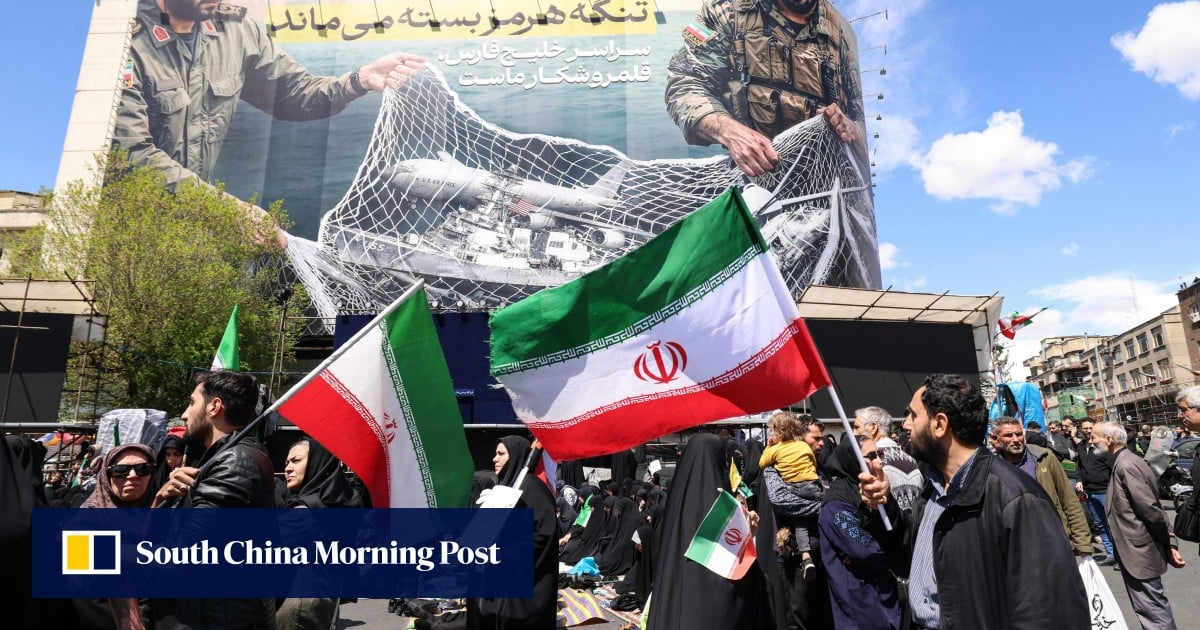
The geopolitical landscape shifted significantly on Wednesday, April 8, 2026, as the United States and Iran agreed to a fragile two-week ceasefire, ending a volatile five-week conflict. Even as the agreement aims to stabilize the region and reopen the critical Strait of Hormuz, the outcome is being viewed by many analysts as a strategic failure for President Donald Trump.
Despite maintaining clear military superiority throughout the engagement, the U.S. Administration has secured only limited concessions. The current arrangement, which focuses on conditional passage through one of the world’s most vital oil chokepoints, falls short of the decisive victory the White House had signaled through its aggressive rhetoric and ultimatums.
From my perspective as an economist, the stakes of this conflict extend far beyond military maneuvers. The stability of global energy markets depends entirely on the reliability of the Strait of Hormuz. While the ceasefire provides a temporary reprieve, the “conditional” nature of the passage suggests that the U.S. Has not regained full control over the strategic flow of oil, leaving global markets exposed to continued volatility.
A Fragile Truce in the Strait of Hormuz
The core of the current agreement is the plan to open the Strait of Hormuz, a move intended to ease the economic pressure resulting from the five-week conflict. However, analysts suggest that the terms for this reopening are conditional, meaning the U.S. Has not achieved an unconditional guarantee of free navigation.
The ceasefire was not a direct result of U.S. Military pressure alone but was instead mediated by Pakistan. Reports indicate that Beijing intervened in the process, highlighting a shift in diplomatic influence where the U.S. Relied on third-party intermediaries to reach a stalemate rather than dictating terms through its superior firepower.
The Ultimatum and the Strategic Gap
The perception of this ceasefire as a failure for Donald Trump stems largely from the gap between his public threats and the final result. Shortly before the agreement, President Trump had issued a stern deadline, warning Iran that it must meet his demands or face the destruction of its civilian infrastructure.
By entering a mediated ceasefire just before that deadline, the administration appears to have retreated from its most severe threats without securing the comprehensive concessions originally demanded. This trajectory—from the brink of total infrastructure destruction to a fragile, two-week truce—is viewed by strategic observers as a loss of leverage.
Military Superiority vs. Diplomatic Outcome
The conflict has underscored a recurring theme in modern geopolitics: military dominance does not always translate into strategic victory. While the U.S. Maintains an overwhelming advantage in hardware and tactical capability, the path the U.S. Took to war with Iran has resulted in a deadlock.
The “strategic loser” label applied to the U.S. By analysts is based on the following factors:
- Limited Gains: The only tangible results are a short-term ceasefire and conditional shipping access.
- Mediated Dependence: The reliance on Pakistani mediation and reported Chinese intervention suggests a diminished ability for the U.S. To resolve the crisis unilaterally.
- Fragility: A two-week window is an extremely short duration in diplomatic terms, providing little long-term security or permanent resolution to the underlying tensions.
Economic Implications for Global Markets
For the business community and global investors, the conditional nature of the Strait of Hormuz’s reopening is the most concerning detail. As a PhD in Economics, I must emphasize that any “conditionality” regarding the passage of oil tankers introduces a risk premium into global energy prices. If the ceasefire expires without a more permanent agreement, the threat of renewed closures could trigger a sharp spike in crude oil costs, impacting inflation and supply chains worldwide.
The involvement of Beijing too adds a layer of complexity. China’s role in the mediation process potentially strengthens its position as a primary diplomatic power in the Middle East, further challenging U.S. Hegemony in a region critical to global trade.
Key Takeaways: The US-Iran Ceasefire
- Duration: A fragile two-week ceasefire has been established following a five-week conflict.
- Key Outcome: Plans are in place to open the Strait of Hormuz, though passage remains conditional.
- Mediation: The agreement was brokered by Pakistan, with reported intervention from Beijing.
- Strategic Critique: Analysts view the U.S. As the strategic loser because military superiority did not yield the comprehensive results promised by President Trump’s ultimatums.
What Happens Next?
The global community now looks toward the expiration of this two-week window. The primary question remains whether this truce is a stepping stone toward a lasting diplomatic settlement or merely a pause before a return to hostilities. The U.S. Administration must now decide if it will double down on its previous ultimatums or seek a recent, more sustainable framework for regional stability.
The next confirmed checkpoint will be the conclusion of the two-week ceasefire period, at which point both nations must decide whether to extend the truce or resume conflict.
We invite our readers to share their perspectives on this development. Do you believe the U.S. Sacrificed too much leverage for a temporary peace? Let us know in the comments below.
Keep reading