
The rapid expansion of the private credit market is beginning to trigger alarm bells among global financial regulators and central banks. Once a niche alternative to traditional bank lending, private credit—where non-bank institutions provide loans directly to companies—has grown into a systemic force that operates largely outside the view of traditional oversight.
This shift in the lending landscape is creating a “blind spot” for policymakers. Since these loans are not traded on public exchanges, their true value and the level of risk they carry are often opaque. As central banks monitor global financial stability, the concern is that a sudden downturn in corporate health could lead to a cascade of defaults that the broader financial system is unprepared to absorb.
Recent market volatility has already begun to expose the fragility of some of these structures. On April 8, 2026, reports emerged that Moody’s Ratings had cut the outlook on a major non-traded fund managed by Blue Owl Capital Inc. To “negative” from “stable” via Reuters. The move follows a surge in redemption requests, signaling that some investors are becoming uneasy about the liquidity and stability of these private vehicles.
For the global financial community, the Blue Owl situation is more than an isolated event; it is a potential canary in the coal mine for an industry stung by mounting strains and investor outflows via Bloomberg.
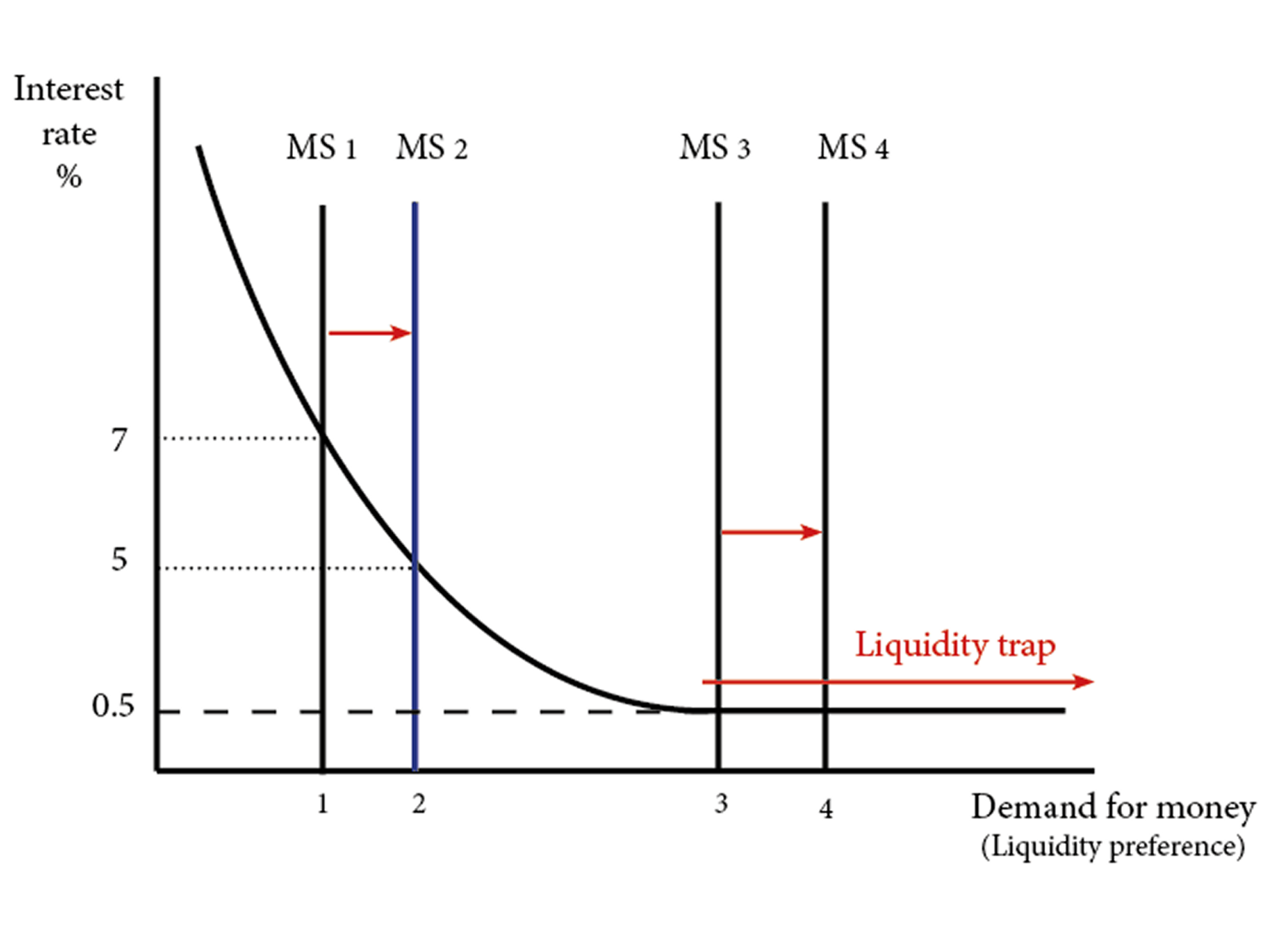
The Liquidity Trap: Why Private Credit Concerns Regulators
At its core, the worry surrounding private credit is a matter of liquidity. Traditional bonds are traded daily on public markets, allowing prices to adjust in real-time. Private credit, however, consists of illiquid loans. When investors in these funds want their money back, the funds must either have cash on hand or sell the underlying loans—which can be difficult and costly during a market panic.
The recent action by Moody’s highlights this tension. The agency cut the outlook on the $36-billion Blue Owl Credit Income Corp to negative after investors sought to redeem a historically high proportion of shares in the first quarter of 2026, a level described as being well above industry norms via MSN.
When redemption requests surge, funds may be forced to sell assets at a discount or limit withdrawals, which can trigger further panic. Central banks fear that if several large private credit funds face similar redemption crises, it could create a systemic shock that spills over into the traditional banking sector, which often provides leverage or credit lines to these private lenders.
Shadow Banking and the Risk of Opaque Valuations
Private credit is often categorized as part of the “shadow banking” system—financial intermediation that happens outside the regulated banking perimeter. Whereas this allows for more flexible lending terms for companies, it removes the stringent capital requirements and reporting standards that banks must follow.
A primary concern for the financial world is the valuation of these assets. Because there is no public market to determine the price of a private loan, the funds themselves often determine the “fair value” of the assets. In a rising interest rate environment or a period of economic stagnation, there is a risk that these valuations are overly optimistic, masking the true extent of potential losses.
This lack of transparency makes it difficult for central banks to assess the total amount of leverage in the system. If a significant number of corporate borrowers struggle to repay these private loans, the impact could be hidden from regulators until it is too late to intervene effectively.
Impact on the Global Financial Ecosystem
The growth of private credit has fundamentally changed how companies fund their operations. While it provides a vital source of capital for mid-sized firms that might not qualify for a public bond offering, it also shifts the risk from regulated banks to institutional investors, such as pension funds and insurance companies.
The stakeholders affected by this shift include:
- Institutional Investors: Pension funds seeking higher yields may identify themselves exposed to illiquid assets that cannot be easily exited during a crisis.
- Corporate Borrowers: Companies benefit from faster access to capital but may face stricter covenants or higher costs if the private credit market tightens.
- Central Banks: Regulators must now grapple with a massive pool of credit that does not respond to traditional monetary policy tools in the same way bank loans do.
- Traditional Banks: While banks have lost some lending business, they remain connected to private credit through the funding of the funds themselves.
Key Takeaways on the Private Credit Crisis
- Liquidity Risk: High redemption requests, such as those seen at Blue Owl’s $36-billion fund, can destabilize non-traded funds via Reuters.
- Regulatory Blind Spots: The lack of public trading makes it difficult for central banks to monitor systemic risk and asset valuations.
- Systemic Connectivity: The “shadow banking” nature of private credit means risks can migrate from non-bank lenders back to traditional financial institutions.
- Market Sentiment: Recent outlook downgrades by agencies like Moody’s suggest a waning confidence in the stability of large US-based private credit funds.
As the industry continues to evolve, the focus remains on whether the current infrastructure of private credit can withstand a prolonged period of economic stress. The recent volatility surrounding Blue Owl serves as a reminder that the promise of high yields in private markets often comes with significant liquidity risks that can materialize rapidly.
Financial observers will be monitoring subsequent quarterly filings and any further rating actions from Moody’s to determine if the current redemption trend is an isolated incident or the start of a broader contraction in the private credit sector.
We invite our readers to share their perspectives on the growth of private credit and its impact on financial stability in the comments below.
Keep reading