Public health officials are closely monitoring a potential shift in the presence of the Zika virus within the United States after a resident of Brownsville, Texas, was diagnosed with the infection. The case is particularly significant because the individual has no other known risk factors, a detail that suggests the possibility of local Zika transmission in Texas.
The Centers for Disease Control and Prevention (CDC) has been notified by Texas health officials regarding the diagnosis. Because the patient had not engaged in activities typically associated with Zika exposure—such as travel to regions where the virus is endemic—investigators are looking into whether the virus is being spread locally by mosquitoes within the Brownsville area.
This development has triggered a coordinated response involving federal and local agencies to determine the extent of the transmission and to prevent further spread. The situation underscores the ongoing vigilance required to manage mosquito-borne illnesses in regions where environmental conditions support the presence of vectors.
Federal Support and the Investigation in Brownsville
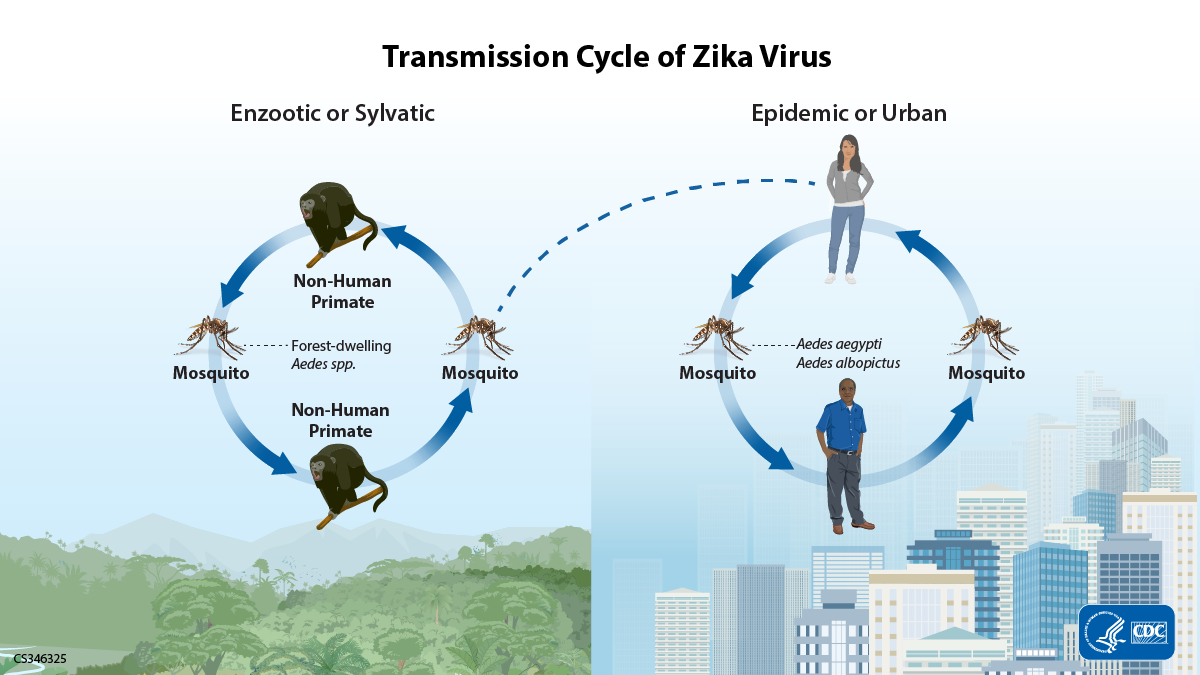
The CDC is providing critical support to Texas health officials as they investigate the origin of the infection. The primary goal is to confirm whether the virus has established a local cycle of transmission, which occurs when local mosquito populations become infected and subsequently transmit the virus to humans.
To bolster the fight against the virus, the CDC has added $184 million to its efforts to combat Zika, ensuring that resources are available for surveillance and response in affected areas.
Parallel to the medical investigation, environmental interventions are being implemented. The U.S. Environmental Protection Agency (EPA) and the city of Brownsville have teamed up to address the risk of mosquito-borne diseases. This partnership focuses on reducing mosquito populations and mitigating the risks associated with the insects that carry the Zika virus.
Why Local Transmission Matters
Most Zika cases reported in the U.S. In recent years have been travel-related, meaning individuals contracted the virus while visiting countries where the virus is common. However, local transmission indicates that the virus is circulating within the community, meaning anyone in the area could potentially be exposed regardless of their travel history.
The concern surrounding Zika is not only the acute symptoms of the infection—which are often mild—but the long-term complications. A primary focus of public health efforts is the population-based surveillance of birth defects that may be potentially related to the virus. Zika infection during pregnancy is known to cause severe fetal brain abnormalities, including microcephaly.
Key Risks and Public Health Impact
- Vulnerable Populations: Pregnant women and those planning to conceive are at the highest risk due to the potential for congenital Zika syndrome.
- Vector Control: Because the virus is spread by mosquitoes, managing standing water and using repellents are the primary lines of defense.
- Surveillance: Ongoing monitoring is essential to identify new cases early and prevent the virus from becoming endemic in new geographic regions.
Preventing the Spread of Zika Virus
While officials work to determine the scope of the local Zika transmission in Texas, residents and visitors in the Brownsville area are encouraged to take proactive measures to protect themselves from mosquito bites.
Effective prevention strategies include using EPA-registered insect repellents, wearing long-sleeved shirts and long pants, and eliminating standing water around the home—such as in flowerpots, gutters, and buckets—where mosquitoes typically breed.
Health officials emphasize that early detection is key. Individuals experiencing symptoms such as fever, rash, joint pain, or conjunctivitis (red eyes) should consult a healthcare provider, especially if they reside in or have visited areas with suspected local transmission.
The current investigation in Brownsville serves as a reminder of the intersection between environmental health and infectious disease. The collaboration between the CDC, the EPA, and local Texas health authorities is designed to contain the virus and provide the public with accurate, timely information.
Official updates regarding the investigation and any new health advisories will be released as more data becomes available from the field. We encourage readers to follow updates from the CDC and the Texas Department of State Health Services.
Do you have questions about mosquito-borne illness prevention or the current situation in Texas? Share your thoughts in the comments below or share this article to keep your community informed.
Related reading