
U.S. Vice President JD Vance has characterized the current ceasefire with Iran as a “fragile truce,” warning that the agreement depends heavily on the Iranian government’s willingness to negotiate in good faith. Speaking from Budapest, Hungary, on Wednesday, April 8, 2026, Vance indicated that whereas some elements of the Iranian government have responded positively, others are actively undermining the agreement.
The Iran ceasefire, which was announced on Tuesday, has halted attacks on the country for a period of two weeks. The announcement triggered an immediate relief rally in global markets, as investors reacted to the temporary dip in regional tensions. However, Vance cautioned that the stability of this pause is precarious, citing internal contradictions within the Iranian leadership.
During a joint press conference with Hungarian Prime Minister Viktor Orban on April 7, 2026, Vance noted that the U.S. Maintains “clear military, diplomatic and, maybe most importantly… Extraordinary economic leverage” over Iran according to CNBC. He emphasized that while the current administration is prioritizing the negotiating table, that patience is not infinite.
This diplomatic posture follows a period of extreme volatility. Earlier in the week, President Donald Trump issued a stark warning, stating that a “whole civilization will die” if a deal is not reached, and threatened Iran with massive strikes targeting its civilian infrastructure if it refuses to cut a deal per CNBC reporting.
Internal Friction and the ‘Fragile Truce’
The Vice President’s comments highlight a divide within the Iranian government. Vance stated that while Iran’s foreign minister has responded well to the ceasefire, other officials have been “lying” about the agreement. “This is why I say this is a fragile truce,” Vance explained, noting the contrast between those who seek to find a “good deal” and those who are deceptive regarding the current terms.
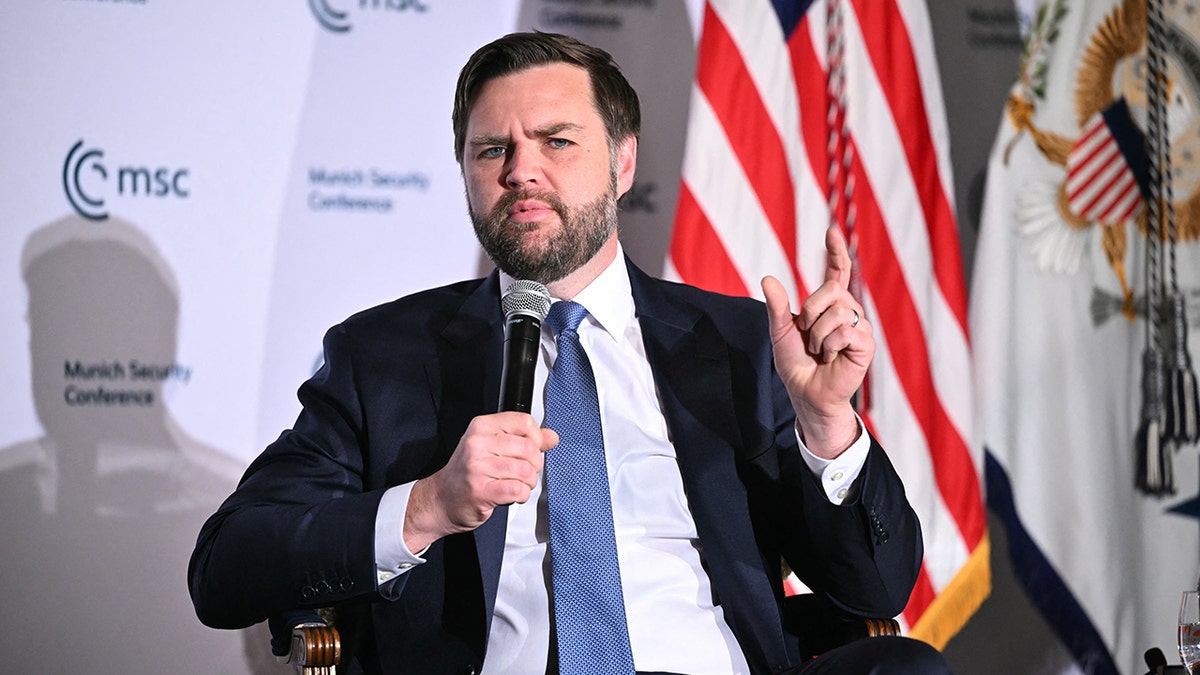
Vance further clarified the directive from the White House, stating that President Trump has instructed the administration to seek a diplomatic resolution. However, he warned that if Iran does not reciprocate this approach, they will discover that the president is “impatient to craft progress” and “is not one to mess around.”
This “fragile truce” comes at a time when the U.S. Is attempting to balance maximum economic pressure with a window for diplomatic engagement. The two-week window provided by the ceasefire serves as a critical litmus test for whether Tehran is truly interested in a long-term settlement or is merely seeking a tactical pause.
Vance’s Evolving Role in Iran Policy
The Vice President’s current role as a messenger for the administration’s toughness on Iran marks a complex political journey. In previous months, reports suggested a philosophical divergence between Vance and President Trump regarding the approach to Iran. On March 9, 2026, President Trump mentioned that Vance was “philosophically a little bit different” and “maybe, less enthusiastic about going” when it came to launching a war against Iran as reported by USA Today.
Vance has historically been a leading voice on the right warning against the United States becoming embroiled in “messy, extended conflicts overseas.” This non-interventionist stance helped him build strong ties with the MAGA movement, which views long-term foreign wars with skepticism. However, as Vice President, he must balance these philosophical leanings with his duty to a president who has vacillated between describing Iranian operations as a “little excursion” and a more extensive military effort per USA Today.
Observers have noted that Vance’s public profile during the height of the conflict was relatively subdued, with limited media appearances and online activity. This suggests a careful calibration as he navigates the pressure from his political base and the demands of the presidency.
The Stakes of the Current Negotiations
The current diplomatic window is high-stakes for several reasons:
- Global Markets: The relief rally following the Tuesday announcement shows that global economic stability is closely tied to the avoidance of a full-scale war in the Middle East.
- Civilian Infrastructure: The threat of “massive strikes” on civilian infrastructure remains a primary lever of pressure used by the Trump administration.
- 2028 Political Ambitions: For Vance, successfully navigating this crisis is seen as a test of his credibility as a future leader, balancing the “America First” non-interventionist ideology with the realities of superpower diplomacy.
Diplomatic Leverage and Economic Pressure
The administration’s strategy relies on a combination of military readiness and economic strangulation. By highlighting “extraordinary economic leverage,” Vance is signaling that the U.S. Can further isolate the Iranian economy to force concessions. This approach mirrors the “maximum pressure” campaigns of the past, but with a more urgent timeline driven by the President’s stated impatience.
The tension is further complicated by the internal politics of the U.S. And Iran. While the U.S. Seeks a deal that prevents regional escalation and limits Iran’s capabilities, the Iranian government remains split between hardliners and those more open to diplomatic channels, such as the foreign ministry.
Key Takeaways on the Iran-US Status
- Ceasefire Duration: The current halt in attacks is set for two weeks, announced on Tuesday, April 7, 2026.
- U.S. Position: The U.S. Is prioritizing the negotiating table but maintains a credible threat of massive military strikes.
- Vance’s Assessment: The truce is “fragile” due to Iranian officials who are allegedly lying about the agreement.
- Market Impact: The ceasefire has already triggered a positive rally in global financial markets.
As the two-week window progresses, the world will be watching to see if Iran’s “good faith” negotiations materialize or if the “fragile truce” collapses, potentially leading to the massive strikes threatened by the White House.
The next critical checkpoint will be the conclusion of the two-week ceasefire period, at which point the administration will determine if the Iranian government has met the requirements for a more permanent deal.
We invite our readers to share their perspectives on this developing diplomatic crisis in the comments below.
Related reading