The second Trump administration’s approach to foreign assistance is facing intense scrutiny as the Department of Government Efficiency (DOGE) continues its aggressive overhaul of federal spending. Whereas the initiative’s stated goals emphasize the elimination of waste and the modernization of government operations, recent developments regarding the U.S. Agency for International Development (USAID) suggest a complex shift in how aid is distributed and managed.
The Trump’s USAID overhaul has grow a focal point for critics and policymakers alike. At the center of the controversy is the tension between DOGE’s mandate to cut “wasteful” spending and the actual flow of funds to large, U.S.-based contractors. Reports indicate that while smaller organizations within the developing world have faced significant barriers to funding, some of the same large agencies previously labeled as wasteful by DOGE have seen substantial infusions of cash.
Established by executive order on January 20, 2025, the Department of Government Efficiency was designed to maximize productivity and cut excess regulations within the federal government. However, the implementation of these goals has led to a volatile environment for international aid, characterized by mass layoffs and the termination of government contracts.
The Role of DOGE in Federal Agency Dismantling
The Department of Government Efficiency, suggested to President Trump by Elon Musk in 2024, operates as a cross-departmental temporary organization. Its personnel have gained administrative access to critical information systems used for personnel management and procurement across various federal agencies. This access has allowed the group to facilitate rapid staff reductions and terminate contracts they deem unnecessary.
The impact on USAID has been particularly visible. According to reports, DOGE employees—many of whom lack prior government experience—have been systematically reviewing data systems to shut down programs and, in some instances, entire agencies. By February 10, 2025, it was tracked that Musk and the DOGE team had gained access to at least 15 federal agencies to further the administration’s agenda.
This systemic overhaul is not limited to USAID. DOGE has also targeted diversity, equity, and inclusion (DEI) programs and has initiated inquiries into other agencies, such as the IRS, regarding their technology and compliance audits. The administration maintains that these actions are necessary to uncover “fraud and corruption,” a sentiment echoed by President Trump and House Speaker Mike Johnson.
Contract Terminations and Financial Shifts
The financial strategy of DOGE involves a rapid identification and cancellation of contracts. For example, the official DOGE website reported that over a three-day period, agencies terminated 80 contracts with a ceiling value of $831 million, resulting in savings of $436 million including a Department of Transportation contract. This aggressive approach to “waste” is the primary mechanism being used to reshape the federal budget.
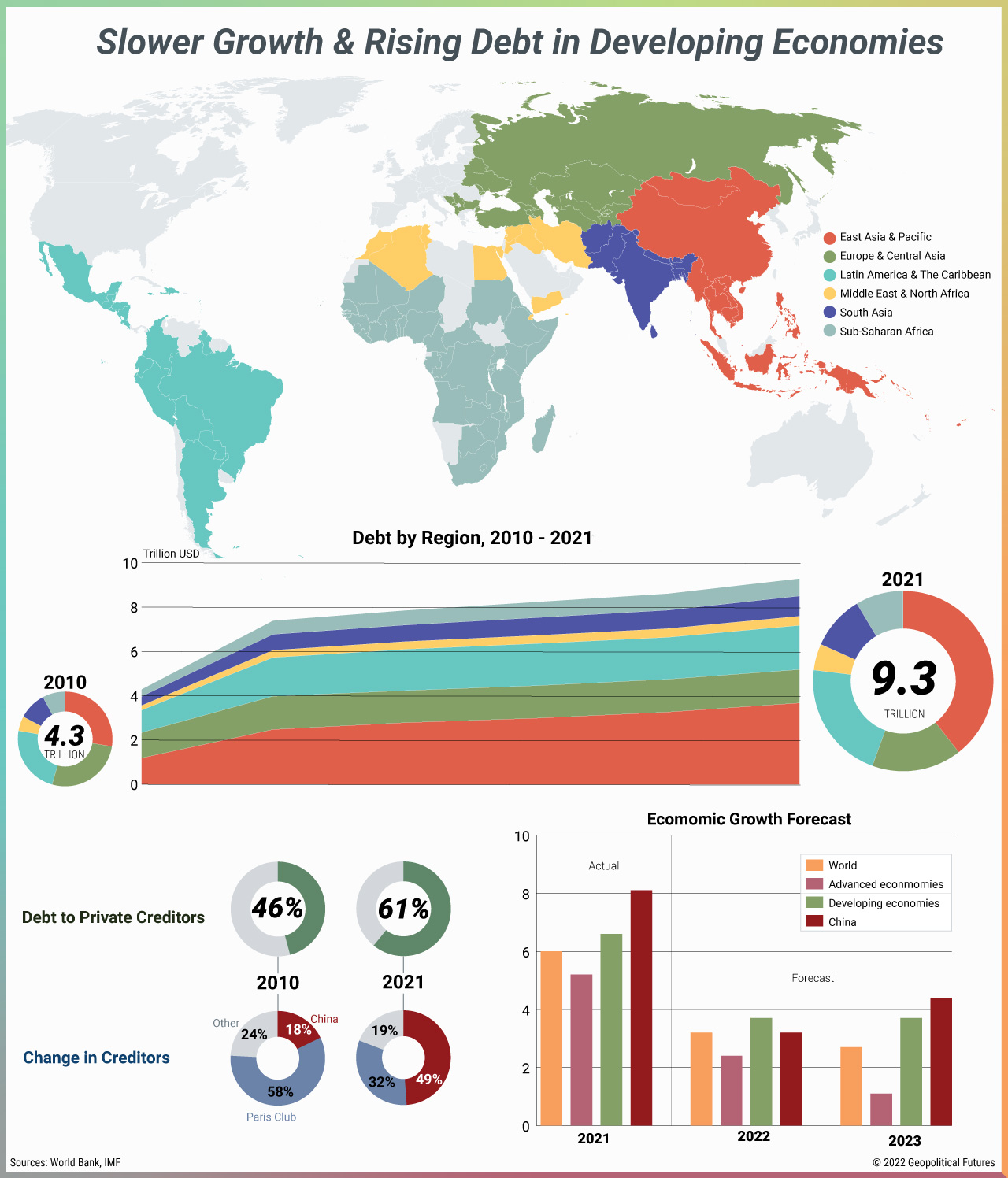
Despite this focus on cutting costs, the distribution of the remaining funds has raised questions. Analysis suggests a trend where aid is being diverted away from local organizations in developing nations—who are increasingly shut out of the process—and redirected toward large U.S.-based contractors. This creates a paradox where the “waste” DOGE seeks to eliminate is replaced by a concentrated flow of capital to a few major domestic entities.
The shift in funding reflects a broader geopolitical strategy to prioritize U.S. Interests and domestic industry over the traditional model of decentralized international development. By consolidating contracts among a few trusted U.S. Firms, the administration can exert more direct control over how aid is implemented and monitored, though critics argue this reduces the effectiveness of the aid on the ground.
Legal Challenges and Oversight Concerns
The methods employed by DOGE have led to significant legal friction. Democrats and labor unions have filed lawsuits to stop the dismantling of federal agencies, alleging that the actions of DOGE personnel violate civil service protections, union agreements, and existing laws. Lawmakers have expressed concern that the rapid layoffs and program shutdowns are bypassing the legal safeguards intended to protect federal employees.
the transparency of DOGE’s operations remains a point of contention. While Elon Musk has stated that the initiative is transparent, the Supreme Court has exempted the organization from certain disclosure requirements. This lack of transparency is compounded by reports that DOGE personnel have accessed and copied data from government databases, raising serious concerns about data handling and oversight and operational security.
The organizational structure of DOGE is itself temporary. It is currently associated with the U.S. Digital Service (USDS), and the United States DOGE Service Temporary Organization is scheduled to conclude on July 4, 2026. This limited window explains the urgency and speed with which the group is attempting to restructure federal agencies like USAID.
Key Takeaways of the USAID Overhaul
- Shift in Funding: Aid is moving away from local organizations in developing countries and toward large U.S.-based contractors.
- Aggressive Cutting: DOGE is using administrative access to terminate contracts and facilitate mass layoffs within federal agencies.
- Legal Conflict: The overhaul is facing court challenges from unions and political opponents over civil service violations.
- Operational Timeline: The DOGE temporary organization is scheduled to conclude its operations by July 4, 2026.
The next critical checkpoint for the administration’s efficiency efforts will be the scheduled conclusion of the DOGE Temporary Organization on July 4, 2026, which will determine whether these structural changes to USAID and other agencies become permanent fixtures of the federal government.
We invite our readers to share their perspectives on the impact of these policy shifts in the comments below.
Keep reading