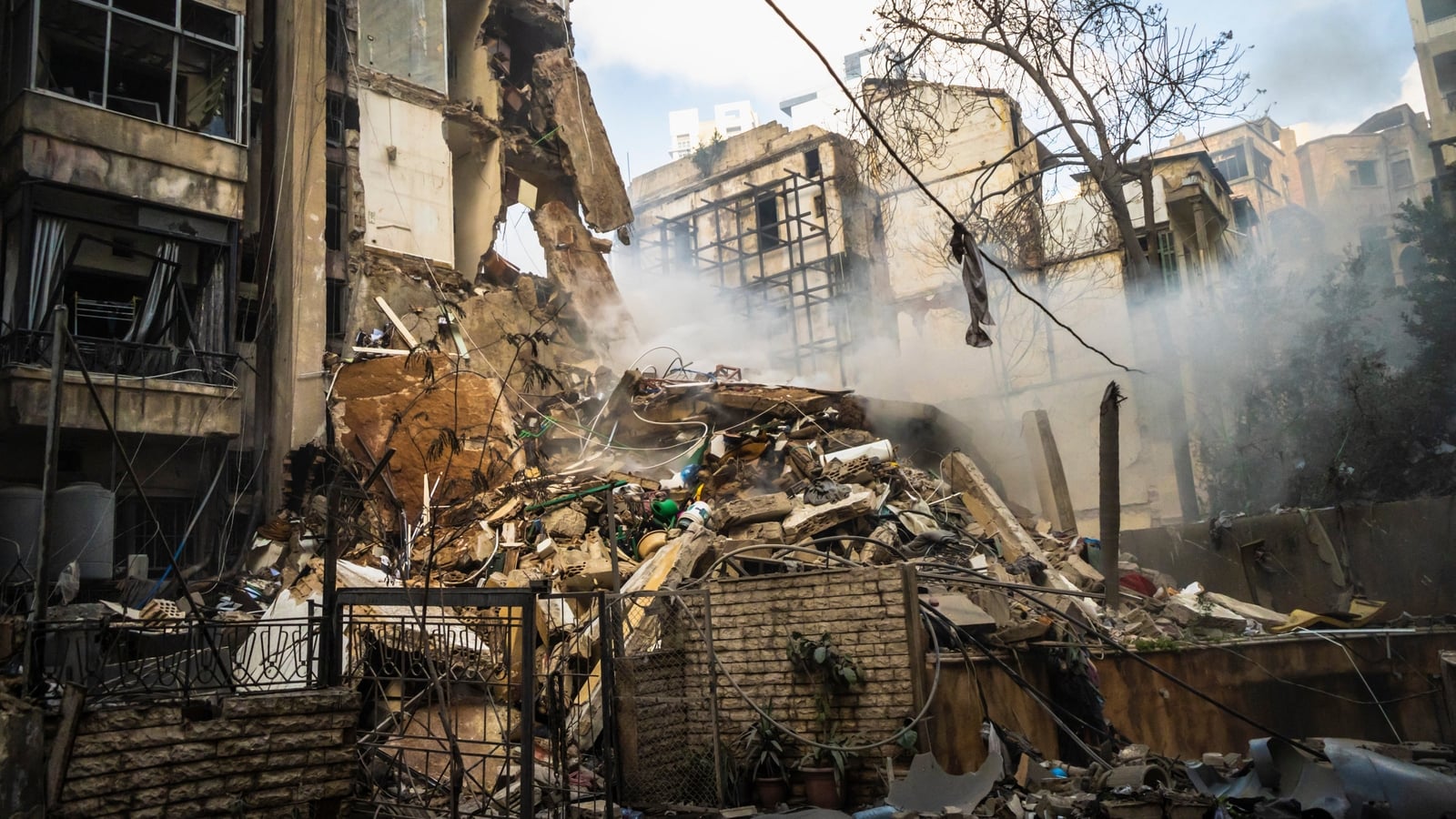
The hope for a regional reprieve has been met with immediate violence in Beirut, as a bloody day in Lebanon puts fragile ceasefire at risk. While a diplomatic breakthrough was reached between Washington and Tehran on Wednesday, April 8, 2026, the reality on the ground in Lebanon remains starkly different, with Israeli air strikes continuing to pound the Lebanese capital.
The ceasefire agreement between the United States and Iran, announced by the Trump administration, was intended to stabilize a volatile region. However, the deal’s immediate impact appears limited to the direct relationship between the two superpowers and the strategic corridors of the Middle East, leaving Lebanon caught in the crossfire of an unresolved conflict.
Reports from Beirut describe a city under siege, where smoke continues to rise over the skyline despite the news of a diplomatic truce. The disconnect between the high-level agreement in Washington and Tehran and the ongoing bombardment in Lebanon highlights the precarious nature of the current security landscape.
Lebanese Prime Minister Nawaf Salam has expressed optimism regarding the potential for de-escalation following the US-Iran deal, though he maintained that only Lebanon can negotiate on behalf of the country. This insistence on national sovereignty comes as the city faces widespread destruction from ongoing Israeli military operations according to Al Jazeera.
The Washington-Tehran Deal and the ‘Fragile’ Truce
The ceasefire agreed upon by Tehran and Washington is being described by observers as “fragile.” A key component of the arrangement involves Tehran agreeing to safe transit in the Strait of Hormuz, a critical maritime chokepoint for global oil supplies. This strategic concession has already led to a drop in oil prices as markets react to the reduced risk of naval escalation per L’Orient Le Jour.
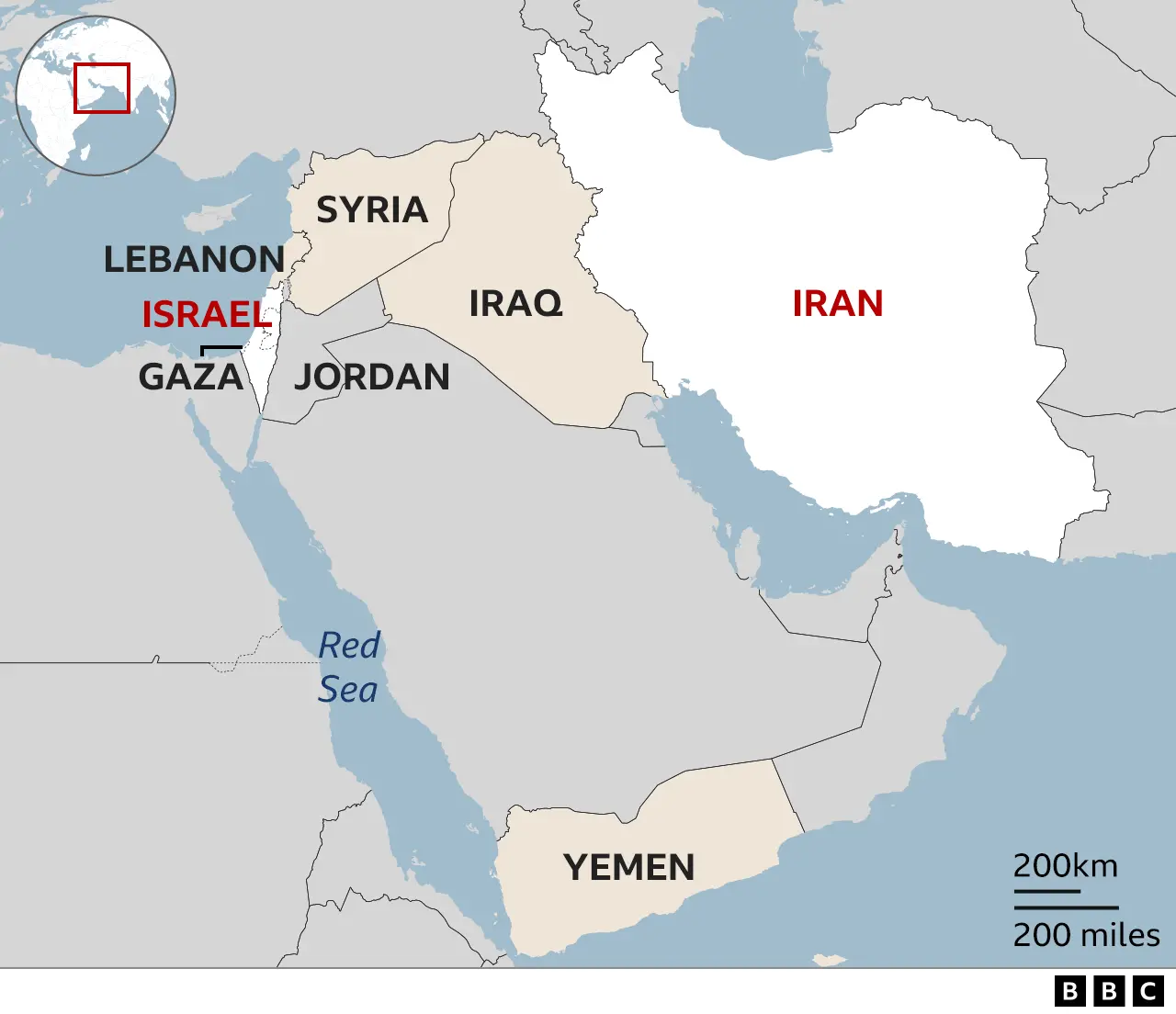
US Secretary of Defense Pete Hegseth indicated that Iran’s new leadership sought the ceasefire because they were “out of options and out of time,” suggesting that the agreement was born out of necessity for Tehran rather than a mutual desire for long-term peace via Al Jazeera.
Despite the agreement between the US and Iran, the deal does not automatically extend to other regional actors. Most notably, Israeli Prime Minister Benjamin Netanyahu has rejected a deal for Lebanon, signaling that Israel does not view the US-Iran truce as a mandate to cease its own military operations against targets in Lebanon.
Beirut Under Fire: The Human and Physical Toll
While diplomats in Washington and Tehran celebrate a reduction in direct tension, the residents of Beirut are experiencing a different reality. Israeli air strikes have caused widespread destruction across the city, leaving the population in a state of terror and uncertainty. The visual of smoke rising over the city serves as a grim reminder that the “fragile” ceasefire has not yet reached the streets of Lebanon.
The ongoing strikes underscore the complexity of the regional conflict, where a truce between two primary powers does not necessarily translate to peace for the proxy battlegrounds or neighboring states. For the people of Beirut, the diplomatic victory in the West provides little immediate relief from the kinetic warfare occurring in their neighborhoods.
Key Components of the Current Crisis
- US-Iran Agreement: A ceasefire has been struck between Washington and Tehran, including provisions for safe transit in the Strait of Hormuz.
- Israeli Position: Prime Minister Netanyahu has explicitly rejected a deal for Lebanon, continuing strikes on Beirut.
- Lebanese Response: PM Nawaf Salam welcomes the US-Iran deal as a step toward de-escalation but asserts Lebanon’s right to negotiate its own terms.
- Economic Impact: Oil prices have fallen following the agreement to secure the Strait of Hormuz.
What This Means for Regional Stability
The current situation reveals a dangerous gap in the regional security architecture. The fact that a ceasefire can be reached between the US and Iran while Israeli bombs continue to fall on Beirut suggests a fragmented peace. If the US cannot leverage its agreement with Tehran to secure a broader ceasefire that includes Israel and Lebanon, the “fragile” nature of the truce may lead to further volatility.
The strategic importance of the Strait of Hormuz remains a primary driver for the US and Iran. By securing transit, the US addresses a global economic priority, but the local humanitarian crisis in Lebanon remains a secondary concern in the immediate terms of the Washington-Tehran deal.
For the international community, the primary question is whether the US can move from a bilateral truce with Iran to a multilateral peace that encompasses the Levant. Until then, the smoke over Beirut remains a symbol of a peace that is, for now, incomplete.
As the situation evolves, the world watches to see if the optimism expressed by Prime Minister Nawaf Salam will materialize or if the rejection of the deal by the Israeli government will lead to a prolonged period of instability for the Lebanese people.
The next critical checkpoint will be the monitoring of the first crossings of the Strait of Hormuz to determine if the US-Iran agreement holds in practice, and whether any further diplomatic pressure is applied to Israel to cease strikes in Beirut.
We invite our readers to share their perspectives on this developing situation in the comments below and share this report with their networks to keep the global community informed.
Keep reading