
Political factions within the state parliament of Baden-Württemberg are calling for urgent intervention from the German federal government to provide fuel price relief in Baden-Württemberg and across the country. Despite a shift in global market conditions, including a ceasefire and a decline in crude oil prices, consumers continue to face pump prices that remain higher than those recorded prior to the conflict involving Iran.
The demand for federal action stems from a perceived disconnect between the falling costs of raw materials and the prices paid by motorists at the pump. State representatives argue that the federal government holds the primary responsibility for implementing measures to ensure that market decreases are reflected in consumer costs, easing the financial burden on citizens and businesses.
Disparity Between Oil Markets and Pump Prices
The core of the current political debate centers on the lack of downward price adjustment in the fuel sector. While global oil prices have trended lower following a ceasefire, the cost of fuel has not returned to the levels seen before the geopolitical tensions associated with the Iran conflict.
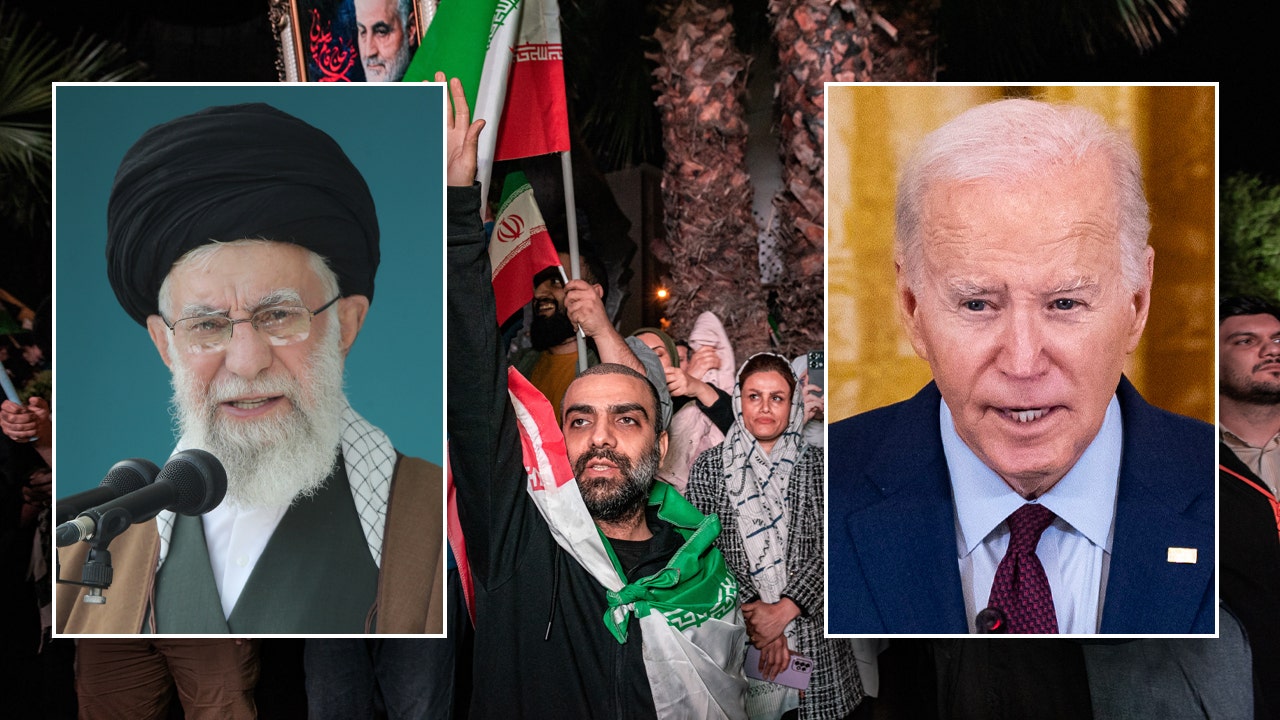
This price disparity has led Baden-Württemberg’s state parliament factions to insist that the federal government (Bund) must step in. The argument is that without federal mandates or tax adjustments, the benefits of lower oil prices are not reaching the end consumer, leaving motorists to pay a premium that is no longer justified by the global market state.
Proposed Measures for Consumer Protection
Beyond the demand for federal relief, there is an ongoing discussion regarding how fuel is priced at the retail level. One specific proposal under consideration involves limiting the frequency with which gas stations can adjust their prices.
Currently, many stations employ dynamic pricing, changing costs multiple times a day to maximize profit based on demand. To protect consumers from this volatility, there are calls for legislation that would allow gas stations to change their prices only once per day. This move is intended to create more stability and transparency for drivers to manage consumer expectations regarding price changes.
Key Drivers of the Current Debate
- Market Lag: The delay between falling global oil prices and the reduction of retail fuel prices.
- Federal Responsibility: The belief that only the national government has the authority to implement the necessary tax or regulatory relief.
- Price Volatility: The impact of frequent daily price shifts on the average consumer.
- Geopolitical Context: The lingering effect of the Iran conflict on pricing structures despite recent ceasefires.
What Which means for Motorists
For residents of Baden-Württemberg, the push for fuel price relief in Baden-Württemberg represents a broader struggle against inflation and the cost of living. As fuel is a primary expense for commuters and logistics companies, the failure to align pump prices with lower oil costs has a ripple effect across the local economy.
If the federal government responds to the demands of the state parliament factions, motorists could see a reduction in prices through lowered fuel taxes or new regulations targeting retail margins. However, until such actions are taken, the disparity remains a point of significant political contention.
The next step in this process will depend on the federal government’s response to the pressure from state-level political factions and whether new legislation regarding price-change frequency is introduced to the legislative agenda.
We invite our readers to share their thoughts on fuel pricing and government intervention in the comments section below.
Related reading