
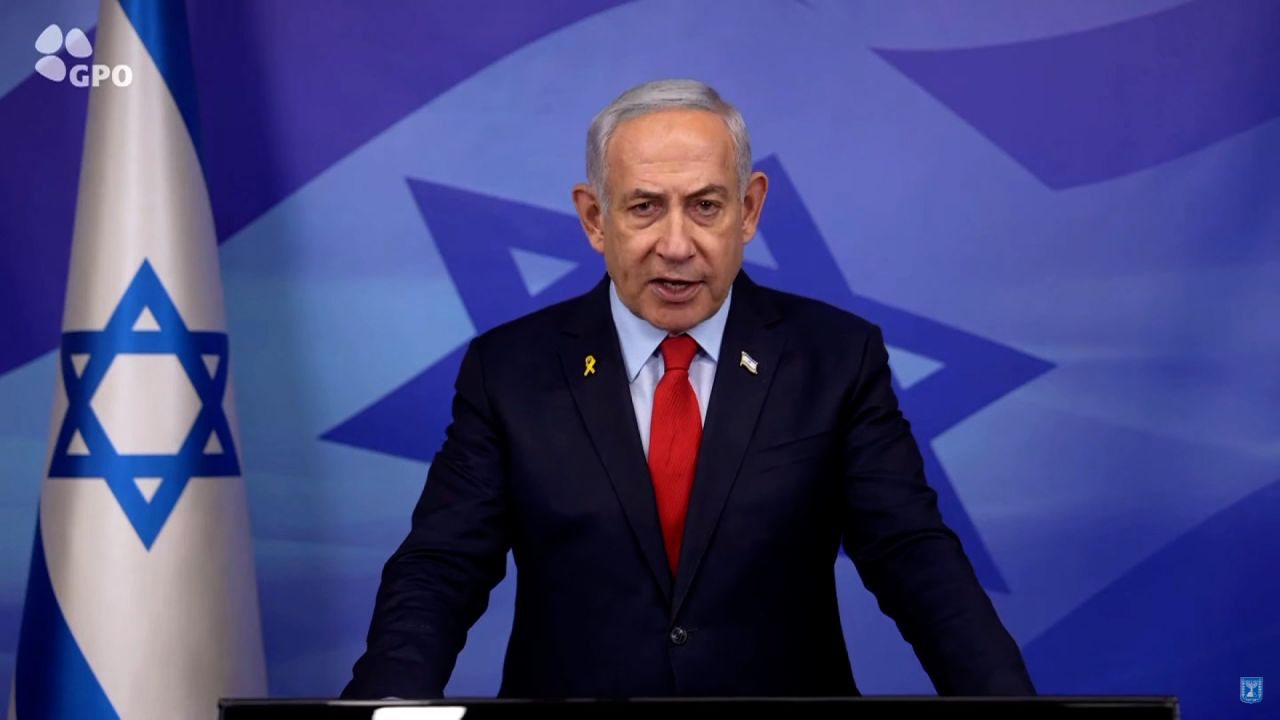
Tensions in the Middle East have reached a critical juncture as Israel and the United States align on a strategic exclusion of Lebanon from a newly brokered ceasefire. On Wednesday, April 8, 2026, Israeli Prime Minister Benjamin Netanyahu announced his support for a decision by U.S. President Donald Trump to suspend attacks against Iran for a period of two weeks, but explicitly stated that this truce does not extend to the Lebanese front نتنياهو يعلن دعم هدنة ترامب مع إيران ويؤكد: “لا وقف للنار في لبنان”.
The move creates a stark divide in the region’s security landscape, as the two-week ceasefire with Iran is designed to facilitate high-level negotiations while military operations against Hezbollah in southern Lebanon continue unabated. This strategic divergence comes despite earlier indications from mediators that the truce was intended to be comprehensive. The Israeli military has confirmed that ground activities and military operations against Hezbollah will persist, effectively decoupling the Iranian diplomatic track from the active conflict in Lebanon نتنياهو يعلن دعم هدنة ترامب مع إيران ويؤكد: “لا وقف للنار في لبنان”.
The conditions for Israel’s support of the U.S.-led initiative are specific and stringent. Prime Minister Netanyahu has conditioned the adherence to the two-week suspension of attacks on Tehran’s commitment to a complete cessation of “aggression” and the immediate reopening of the Strait of Hormuz to international shipping نتنياهو: اتفاق واشنطن- طهران لا يشمل وقف إطلاق النار في لبنان. This insistence on maritime freedom and the cessation of hostilities underscores Tel Aviv’s goal of securing strategic gains even during a temporary diplomatic window.
The Discrepancy Over the Scope of the Truce
The announcement has highlighted a significant contradiction between the positions of the primary combatants and the international mediators involved in the process. Pakistani Prime Minister Shehbaz Sharif, who acted as a mediator in reaching the truce, had previously stated that the ceasefire was comprehensive and included “everywhere, including Lebanon” نتنياهو ينقلب على الهدنة: وقف الحرب لن يشمل لبنان. Similarly, reports from the Iranian side suggested the truce covered all fronts.

Adding to the confusion, a senior White House official told CNN that Israel was a party to the ceasefire and had agreed to suspend its aerial campaign while negotiations continued نتنياهو ينقلب على الهدنة: وقف الحرب لن يشمل لبنان. The Israeli news site Ynet cited high-level security sources claiming the agreement between the U.S. And Iran did indeed include a cessation of fighting between Israel and Hezbollah نتنياهو ينقلب على الهدنة: وقف الحرب لن يشمل لبنان. Though, Netanyahu’s official statement on April 8 explicitly overruled these reports, asserting that the two-week window is strictly limited to the Iranian theater.
Strategic Objectives and Nuclear Concerns
Beyond the immediate cessation of hostilities, the Israeli government is leveraging this diplomatic window to push for long-term security guarantees. In a formal statement issued in English, Netanyahu emphasized that Israel supports U.S. Efforts to ensure that Iran is stripped of its nuclear and missile threats نتنياهو يعلن دعم هدنة ترامب مع إيران ويؤكد: “لا وقف للنار في لبنان”. He noted that Washington has pledged to Tel Aviv to pursue these shared goals during the upcoming round of negotiations.
The focus on “nuclear and missile threats” indicates that the two-week truce is viewed by the Israeli leadership not as a peace agreement, but as a tactical pause to assess the viability of a deal that would permanently neutralize Iran’s strategic capabilities. By maintaining military pressure on Hezbollah in Lebanon, Israel seeks to keep its regional leverage high while the U.S. Manages the direct dialogue with Tehran.
Impact on the Lebanese Front
For Lebanon, the exclusion from the truce means that the conflict in the south remains active. The Israeli Defense Forces (IDF) have issued a separate statement confirming the continuation of military operations and “intensive ground activity” against Hezbollah نتنياهو يعلن دعم هدنة ترامب مع إيران ويؤكد: “لا وقف للنار في لبنان”. This ensures that the operational tempo in southern Lebanon will not slow down, despite the diplomatic efforts occurring between Washington and Tehran.
This development places Lebanon in a precarious position, as it remains the primary site of active kinetic conflict while the broader regional powers attempt to negotiate a freeze in other areas. The disparity between the “all-fronts” ceasefire claimed by mediators and the “Iran-only” reality described by Netanyahu suggests a fragile diplomatic environment where the definitions of a “truce” vary wildly between stakeholders.
Key Terms of the Current Diplomatic Stand-off
| Stakeholder | Position on Ceasefire Scope | Primary Condition/Goal |
|---|---|---|
| Benjamin Netanyahu | Limited to Iran; excludes Lebanon | Strait of Hormuz reopened; Iran denuclearized |
| Donald Trump (U.S.) | Two-week suspension of attacks on Iran | Facilitate diplomatic negotiations |
| Shehbaz Sharif (Pakistan) | Comprehensive; includes Lebanon | Regional stability via mediation |
| Iranian Position | Reported as covering all fronts | Cessation of hostilities |
The current situation remains volatile. While the U.S. And Iran have agreed to the two-week window, the continued fighting in Lebanon serves as a reminder that a comprehensive regional peace remains elusive. The next critical checkpoint will be the conclusion of the two-week negotiation period, during which the international community will see if the U.S. Can translate this temporary pause into a lasting strategic shift regarding Iran’s nuclear ambitions.
World Today Journal encourages readers to share this report and join the discussion in the comments section regarding the implications of this fragmented ceasefire.