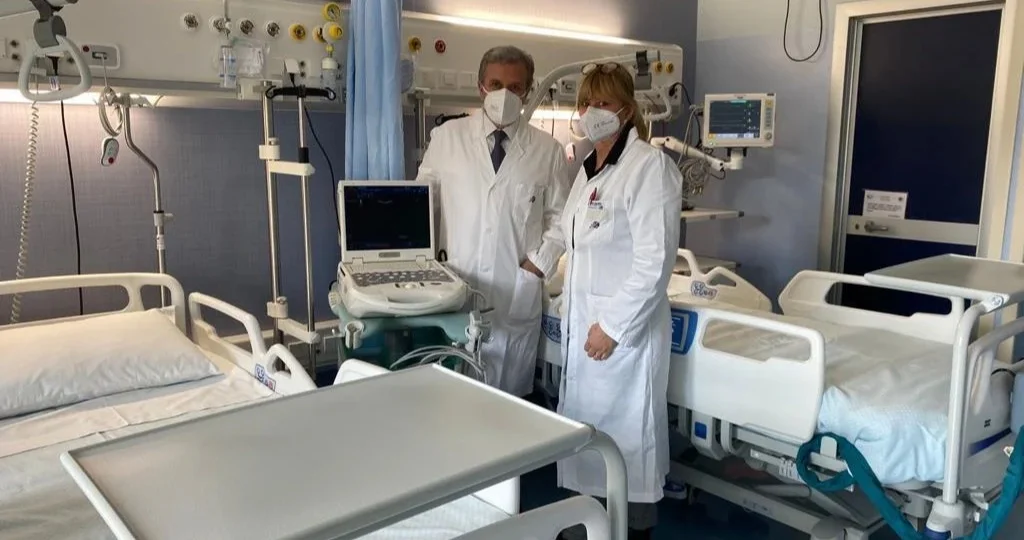
In a decisive move to combat one of the most pressing threats to modern medicine, the ASL 1 Avezzano-Sulmona-L’Aquila health authority has launched a specialized initiative focused on Antimicrobial Stewardship and Infection Control in L’Aquila. The project, which officially commenced on April 8, 2026, aims to overhaul how antibiotics are prescribed and how hospital-acquired infections are managed to ensure higher patient safety and a reduction in the proliferation of drug-resistant bacteria.
The initiative began its pilot phase at the L’Aquila hospital, where the first clinical intervention was carried out on a patient within the Rehabilitation ward. This targeted start serves as a blueprint for a broader strategy that the health authority intends to scale across all hospital facilities under the ASL 1 umbrella. By integrating strict infection control protocols with a rigorous stewardship program, the project seeks to mitigate the risks associated with healthcare-associated infections (HAIs) and the rise of multi-resistant microorganisms.
As a physician and health journalist, I have seen how the misuse of antibiotics can turn treatable infections into life-threatening crises. The launch of this program in Abruzzo reflects a growing recognition within the European healthcare landscape that the fight against antibiotic resistance cannot be won through new drugs alone; it requires a systemic change in how we use the tools we already have. This multidisciplinary approach—bringing together infectious disease specialists, pharmacists, and laboratory technicians—is the gold standard for sustainable public health.
A Multidisciplinary Strategy Against Resistance
The project is not merely a set of guidelines but a coordinated operational effort. It is promoted by the UOC of Infectious Diseases (Malattie Infettive) at the L’Aquila hospital and is driven by the leadership of General Director Paolo Costanzi and Health Director Carmine Viola. The operational coordination is led by Dr. Alessandro Grimaldi, who serves as the director of both the UOC of Infectious Diseases and the Medical Department of ASL 1, alongside nursing coordinator Dr. Roberta Priore.
To be effective, the program breaks down traditional clinical silos. According to official project details, the initiative involves a collaborative network including the hospital’s health direction, the Pharmacy department, and the Analysis Laboratory coordinated by the UOC of Infectious Diseases. This ensures that every step of the patient’s journey—from the initial diagnostic test in the lab to the dispensing of the medication by the pharmacy—is monitored for appropriateness.
Antimicrobial Stewardship, the core of this initiative, refers to a systematic effort to educate and persuade prescribers to use antibiotics only when necessary, choosing the correct drug, dose, and duration. When combined with “Infection Control”—the practical measures taken to prevent the spread of pathogens within a facility—the result is a comprehensive shield that protects the most vulnerable patients, particularly those in long-term care or rehabilitation.
The Public Health Stakes: A European Crisis
The urgency of the ASL 1 project is underscored by sobering statistics regarding the “silent pandemic” of antimicrobial resistance. The European Centre for Disease Prevention and Control (ECDC) reports that Europe sees approximately 670,000 infections annually caused by antibiotic-resistant bacteria, which lead to more than 33,000 deaths per the data cited by the project promoters.
Italy is particularly affected by this trend. Estimates indicate that more than 10,000 deaths occur every year in Italy alone due to infections caused by bacteria that no longer respond to standard antibiotic treatments. These figures highlight why the ASL 1 initiative is viewed not just as a local administrative update, but as a critical intervention in public health. When bacteria evolve to resist antibiotics, routine surgeries, chemotherapy, and organ transplants become significantly more dangerous, as the primary defense against post-operative infections is compromised.
Key Takeaways of the ASL 1 Project
- Pilot Location: Started at L’Aquila hospital, specifically initiating in the Rehabilitation ward.
- Primary Goals: Enhancing the prevention of healthcare-associated infections and promoting the appropriate use of antibiotics.
- Collaborative Model: Integrates the UOC of Infectious Diseases, Pharmacy, and Analysis Laboratories.
- Scalability: Planned expansion to all other hospital facilities within the ASL 1 Avezzano-Sulmona-L’Aquila network.
- Health Impact: Directly targets the reduction of deaths and morbidity associated with multi-resistant microorganisms.
What So for Patient Care
For the average patient, this project translates to a higher standard of safety. By implementing a multidisciplinary review of antibiotic prescriptions, the risk of “over-prescribing” is reduced. Over-prescription not only contributes to the development of resistant strains but can also lead to unnecessary side effects and the disruption of the patient’s natural microbiome, which can in turn lead to further opportunistic infections like Clostridioides difficile.
The involvement of microbiologists and laboratory staff ensures that treatment is “targeted” rather than “empirical.” Instead of using a broad-spectrum antibiotic that kills both harmful and beneficial bacteria, clinicians can use precise data from the lab to select the narrowest spectrum drug effective against the specific pathogen infecting the patient. This precision medicine approach is central to the goals of the ASL 1 program.
the focus on “Infection Control” means a renewed emphasis on hygiene protocols and the isolation of patients carrying multi-resistant organisms. This prevents the hospital environment from becoming a reservoir for “superbugs,” thereby protecting patients who are admitted for unrelated issues but are immunocompromised and susceptible to secondary infections.
Next Steps and Expansion
The current phase in L’Aquila is designed as a pilot to refine the workflow between the different departments. Once the protocols for the Rehabilitation ward and other initial units are optimized, the ASL 1 administration intends to progressively extend the integrated Antimicrobial Stewardship and Infection Control model to all other hospital sites within the Avezzano-Sulmona-L’Aquila jurisdiction.
The success of this rollout will likely be measured by a reduction in the incidence of healthcare-associated infections and a measurable shift in antibiotic prescribing patterns toward more targeted therapies. As the project expands, it will provide a critical data set for the Abruzzo region, potentially influencing healthcare policy at a national level in Italy.
The next confirmed milestone for the project is the progressive extension of these protocols to the remaining hospital facilities within the ASL 1 network, following the evaluation of the pilot phase in L’Aquila.
Do you believe more hospitals should adopt mandatory multidisciplinary stewardship teams? Share your thoughts in the comments below or share this article with your healthcare network.
Keep reading