
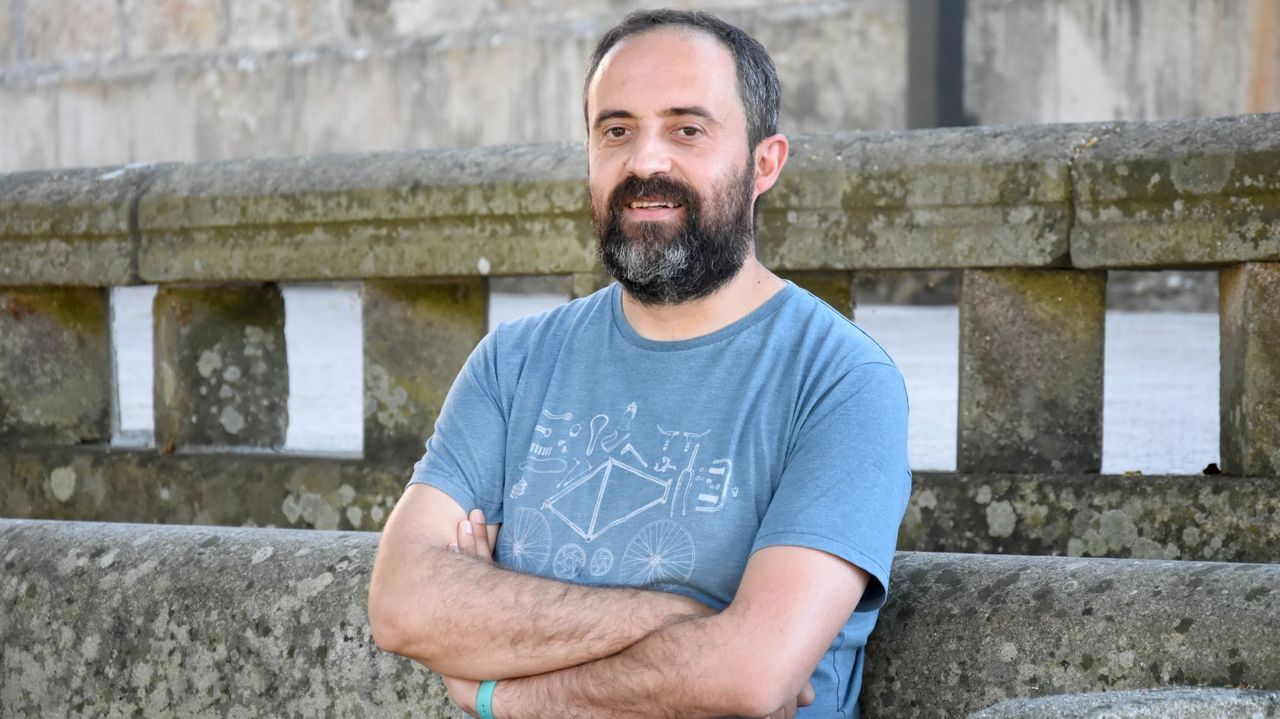
The Spanish music scene is preparing for its most prestigious night of the year as the nominations for the III edition of the Premios de la Academia de la Música have been officially revealed. Among the high-profile names dominating the headlines, the recognition of Benxamín Otero, nominated alongside Germán Díaz, highlights the diversity of talent being celebrated this year in a ceremony that aims to act as the “Goya awards” for the music industry.
The nominations, announced on Tuesday, April 7, 2026, set the stage for a massive celebration of Spanish-language music scheduled for May 26 at the Palacio de Congresos de IFEMA in Madrid. The event will be split into a pre-gala and a main gala, distributing a total of 43 awards across various musical disciplines (43 awards).
While global superstars lead the count in nominations, the inclusion of artists like Benxamín Otero and Germán Díaz for their work “Outras trece cancións bonitas” underscores the Academy’s commitment to honoring a wide spectrum of genres, from urban and pop to folk and classical music. The III edition continues the mission started in 2024 to provide official internal recognition for the creators, producers, and interpreters who shape the sound of the country.
The Heavy Hitters: Rosalía, Amaia, and Leiva Lead the Pack
The competition for the top honors is fierce, with several artists tying for the most nominations. Rosalía has emerged as one of the most nominated figures of the night with eight nominations, including critical categories such as Artist of the Year, Album of the Year, and Song of the Year (eight nominations). She is joined at the top by Amaia, Leiva, and Guitarricadelafuente, who similarly hold eight nominations each.
Following closely behind are rusowsky, Amaral, and Valeria Castro, each securing five nominations (five nominations). The breadth of the nominations reflects a healthy ecosystem of music, spanning from the experimental sounds of rusowsky to the established pop-rock presence of Amaral.
The “Artist of the Year” category is particularly competitive, featuring a shortlist that includes Aitana, Amaia, Guitarricadelafuente, Rosalía, and rusowsky . Similarly, the “Album of the Year” category sees a clash between Amaia’s “Si abro los ojos no es real,” Amaral’s “Dolce Vita,” Leiva’s “Gigante,” Rosalía’s “LUX,” and rusowsky’s “DAISY.”
Detailed Breakdown of Key Categories
The Academy has meticulously divided the awards to recognize both the artistic output and the technical mastery behind the music. The “Compositor del año” (Composer of the Year) category highlights the songwriters’ craft, with nominees including Eva Amaral and Juan Aguirre for “Dolce Vita,” Leiva for “El polvo de los días raros,” and Rosalía for “La Perla” . This category also recognizes the work of Valeria Castro with “Tiene que ser más fácil” and rusowsky with “malibU.”
In the pop sector, the distinctions are split between traditional and modern sounds. The “Mejor álbum pop tradicional” category features veterans and established names such as Alejandro Sanz with “¿Y ahora qué +?”, Luz Casal with “Me voy a permitir,” and Antonio Orozco with “El timpo no es oro” . Meanwhile, the “Mejor álbum pop” category pits Aitana’s “CUARTO AZUL” against Rosalía’s “LUX” and Amaia’s “Si abro los ojos no es real.”
The “Canción del año” (Song of the Year) is perhaps the most anticipated award, with a diverse list of contenders:
- M.A.P.S. By Amaia
- Full time papi by Guitarricadelafuente
- Caida libre (feat ROBE) by Leiva
- La Perla (feat Yahritza y su esencia) by Rosalía
- malibU by rusowsky
Recognizing New Talent and Technical Excellence
Beyond the superstars, the III edition of the awards emphasizes the growth of the industry through the “Mejor nuevo artista” (Best New Artist) category. Nominees in this section include Barry B, La Paloma, RataSanguijuelas del Guadiana, and Ultraligera . This focus ensures that the Academy remains a gateway for emerging talent to gain visibility alongside established icons.
The technical side of the industry is also given significant weight. From album design to song production, the awards acknowledge the invisible labor that allows a track to reach professional standards. Sole Jiménez, the president of the Academia de la Música de España, emphasized the importance of these technical disciplines during the reading of the nominations . This comprehensive approach distinguishes these awards from commercial charts, focusing instead on peer-reviewed artistic and technical merit.
The Significance of the III Edition
The creation of these awards nearly three years ago addressed a perceived gap in the Spanish music industry: the lack of an official, internal body of recognition similar to the Goya awards in cinema . By establishing a formal structure, the Academia de la Música de España seeks to legitimize the professional achievements of artists across all genres, including flamenco, jazz, classical music, rap, urban music, and folklore.
With 218 total candidacies spread across 43 categories , the scale of the event demonstrates the growing appetite for a centralized, prestigious award system in Spain. The inclusion of Benxamín Otero and Germán Díaz for “Outras trece cancións bonitas” serves as a prime example of how the awards are reaching beyond the mainstream pop centers to embrace regional and diverse musical expressions.
The event is not only a celebration of the past year’s work but also a strategic move to strengthen the international image of Spanish-language music. As artists like Rosalía continue to break global barriers, an internal “seal of quality” from the national Academy provides a necessary framework for recognizing excellence at home.
Key Takeaways for the 2026 Awards
- Ceremony Date: May 26, 2026, at the Palacio de Congresos de IFEMA, Madrid.
- Top Nominees: Rosalía, Amaia, Leiva, and Guitarricadelafuente each lead with eight nominations.
- Total Awards: 43 prizes will be distributed across a gala and pre-gala format.
- Diverse Recognition: The nominations span from urban sounds to regional works like those of Benxamín Otero and Germán Díaz.
- Institutional Goal: To create a music equivalent to the Goya Awards for the film industry.
As the industry looks toward the May ceremony, the focus remains on who will ultimately take home the trophies in the most contested categories. The next major milestone will be the gala on May 26, where the winners will be announced live from Madrid.
What do you think about this year’s nominations? Do you believe the “Goya of Music” is finally achieving its goal of unifying the Spanish scene? Share your thoughts in the comments below.