
Liverpool’s Champions League campaign is teetering on the edge of collapse following a bruising 2-0 defeat to Paris Saint-Germain in the first leg of their quarterfinal clash. The match, held in the French capital, left the English side facing a steep climb to avoid elimination after being dominated by the European champions.
The loss is particularly jarring given the tactical gamble taken by manager Arne Slot. In a departure from the club’s long-standing defensive tradition, Slot deployed a back-three system—a move that has already drawn sharp criticism from analysts and left the team vulnerable to PSG’s blistering pace. The result has placed Slot under significant pressure, as the “Reds” struggle to identify consistency in a season marked by erratic form.
Goals from Désiré Doué and Khvicha Kvaratskhelia secured the victory for the Parisians, but the scoreline arguably flattered Liverpool. The French side created numerous opportunities that could have seen the margin far wider, with some observers suggesting PSG could have put six goals past the visitors during the first-leg encounter.
Despite the grim reality of the first leg, Slot remains adamant that a comeback is possible. He has called upon his players to draw on the club’s storied history of European resilience to overturn the deficit when the tie moves to Anfield for the second leg next Tuesday.
Tactical Gamble: The Shift to a Back Three
The central point of contention surrounding the defeat is Arne Slot’s decision to abandon the back four that had been a staple of Liverpool’s tactical identity for years. According to reports, since the start of the 2020-21 season, Liverpool had played a back four in all 282 of their European and Premier League games leading up to this fixture prior to the PSG match.
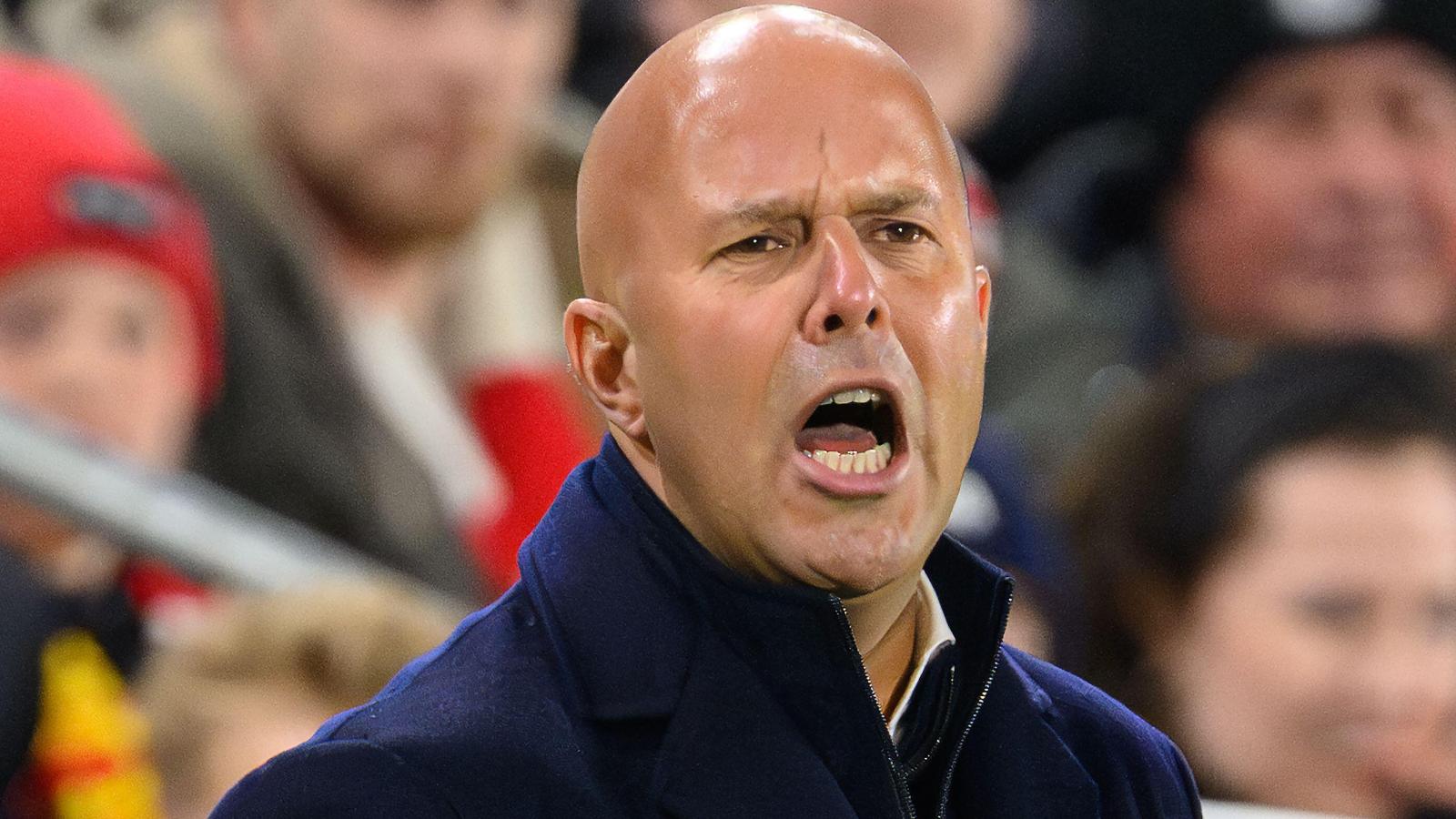
Slot opted for a 3-4-3 formation (referenced as 3-4-2-1 by some analysts), a move designed to frustrate PSG and accommodate specific recruitment from the previous summer, including two star strikers and a modern number 10. However, the experiment failed to keep the home side at bay. Slot admitted after the match that his team was “ripped apart” by the opposition, specifically noting the “incredible pace” of PSG’s attacking threats, including Achraf Hakimi and Nuno Mendes in the post-match analysis.
The decision to drop Mohamed Salah was another high-risk move that failed to yield results. Even as the tactical shift may be intended as a long-term evolution for the squad, the immediate impact was a lack of cohesion that left the defense exposed. The team spent large portions of the game in what Slot described as “survival mode,” a state he suggested may reflect a broader trend for the team during this period of the season.
A Season of Inconsistency and Pressure
The defeat in Paris is not an isolated incident but part of a wider struggle for stability under Slot’s tenure. The manager acknowledged that performances and results have been “inconsistent the whole season” during a recent press conference. This instability was highlighted by a devastating 4-0 thrashing by Manchester City just four days before the PSG trip.
To maintain optimism, Slot has pointed to the team’s ability to secure wins against other top-tier opponents, including Arsenal, Aston Villa, Inter Milan, Real Madrid, and Atletico Madrid. However, the contrast between these victories and the recent collapses has fueled speculation regarding the manager’s future at the club.
The psychological toll of these swings in form is evident. Slot has described the team’s journey as a cycle of standing up and falling down again, emphasizing that the “mentality to keep going” is the only way forward. He believes the answer to their current crisis lies in the history of Liverpool, citing the club’s six European Cup titles and its legendary ability to execute famous comebacks in the face of adversity.
The Path to Redemption at Anfield
The second leg, scheduled for next Tuesday, represents Liverpool’s final opportunity to salvage the tie and advance to the semifinals. Slot believes that bringing the game to Anfield provides a significant advantage, recalling how the stadium’s atmosphere can transform the team’s performance. He specifically referenced a recent strong showing against Galatasaray as evidence that the team is still capable of playing the best football of their season when backed by the home crowd as noted in his comments.
There is a glimmer of hope in the squad’s availability, with Alexander Isak returning to the squad after a 15-week layoff, providing a potential boost to the attacking options. However, the mountain to climb remains steep. A two-goal deficit against the European champions is a daunting task, especially given the tactical vulnerabilities exposed in Paris.
Key Takeaways from the First Leg
- Scoreline: PSG lead 2-0 following goals from Désiré Doué and Khvicha Kvaratskhelia.
- Tactical Shift: Slot abandoned a long-term back-four system for a back three, which analysts suggest left the team exposed.
- Form Crisis: Liverpool enter the second leg following a 4-0 loss to Manchester City and a season of inconsistent results.
- The Anfield Factor: Slot is relying on the club’s historical resilience and home-field advantage to secure a comeback.
The upcoming second leg will be a defining moment for Arne Slot. Whether he can correct the tactical errors of the first leg and harness the energy of Anfield will determine if Liverpool can continue their European journey or if this defeat marks the beginning of a deeper crisis for the manager’s reign.
The next confirmed checkpoint is the second leg of the Champions League quarterfinal at Anfield on Tuesday, April 15, 2026.
What do you think about Slot’s tactical switch to a back three? Can Liverpool pull off a miracle at Anfield? Share your thoughts in the comments below.
Related reading